

Cost-Benefit Analysis of Premium Feeds for High-Performance Horses
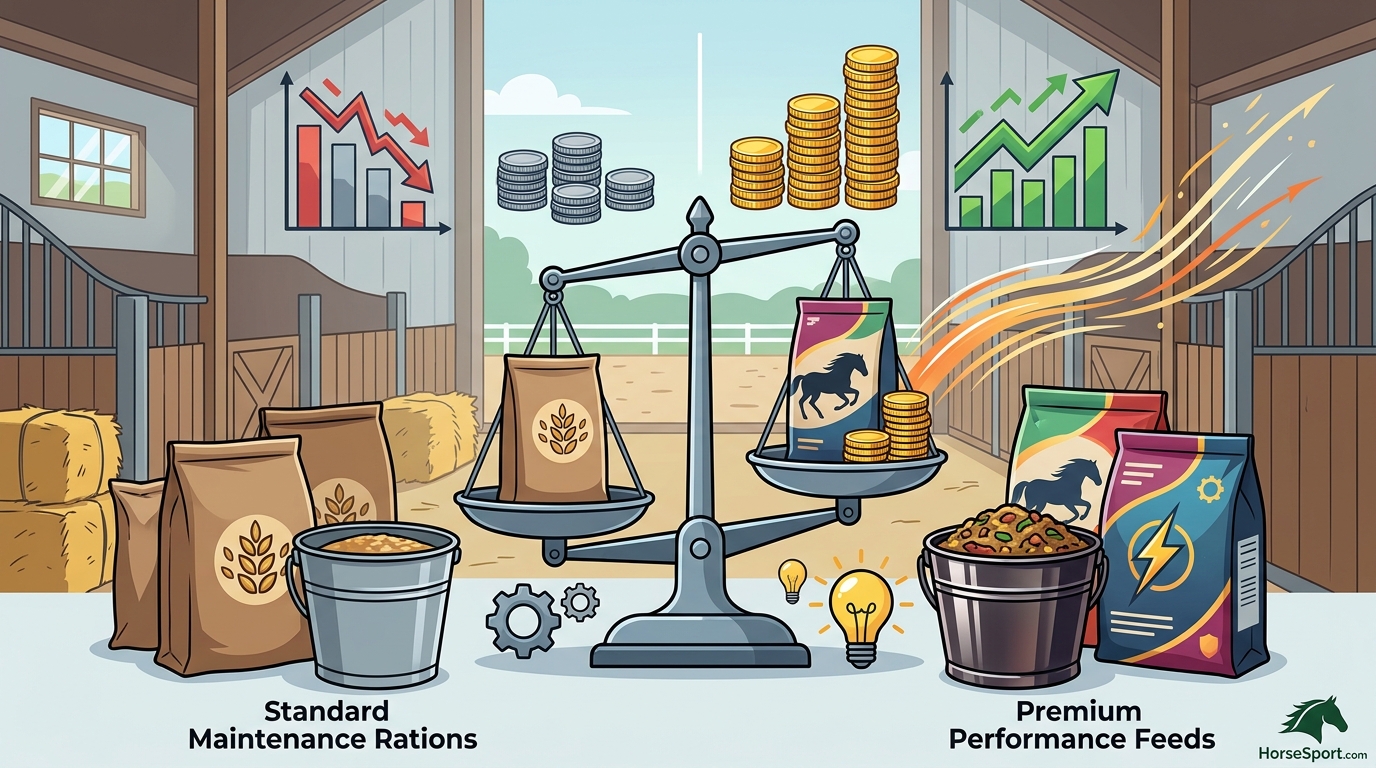
Investing in high-quality nutrition is one of the most critical financial decisions for any serious equestrian. Recent industry data shows that feed costs can account for up to 30% of total horse ownership expenses. This significant percentage makes the choice between standard maintenance rations and premium performance feeds a complex equation. The decision is not merely about the price per bag. It is about the biological return on investment. A horse that receives optimized nutrition performs better, recovers faster, and maintains a longer competitive career. This guide dissects the financial and physiological benefits of premium equine nutrition. (Horse Sport)
Understanding Premium Feeds
Premium feeds are formulated with specific biological targets in mind. They are not simply hay and grain mixed in a bucket. These products utilize advanced processing techniques to maximize nutrient absorption. The primary difference lies in the quality of ingredients and the precision of the formulation. (Donate 8211 Horse Sport)
Ingredient Quality Standards
High-performance feeds often use dehulled grains and specialized protein sources. These ingredients reduce the fiber content that horses cannot digest. This allows for higher caloric density without increasing the total volume of feed. A horse can meet its energy requirements while eating less bulk. This is crucial for horses with limited stomach capacity. (Contests 8211 Horse Sport)
Processing Techniques
Extrusion and pelleting are common methods used to improve digestibility. These processes gelatinize starch, making it easier for enzymes to break down carbohydrates. This results in a more stable energy release. It prevents the spikes in blood sugar that can lead to behavioral issues. Masterfeeds Equine Feeds highlights the importance of bio-available minerals in this context.
Nutritional Bioavailability and Health
The core benefit of premium feed is bioavailability. This term refers to the proportion of a nutrient that is absorbed and used by the body. Standard feeds may contain high levels of nutrients, but if they are not bio-available, they pass through the digestive tract unused.
Mineral Absorption
Minerals are essential for bone density, muscle function, and immune response. Premium feeds use chelated minerals or organic forms that are easier for the horse to absorb. This reduces waste and ensures that the horse gets the full benefit of the supplement. Poor mineral absorption can lead to weakened hooves and poor coat quality.
Gut Health and Microbiome
A healthy gut microbiome is vital for overall health. Premium feeds often include prebiotics and probiotics to support this ecosystem. A balanced microbiome reduces the risk of colic and laminitis. These are two of the most expensive and dangerous conditions in equine medicine. Preventing them through nutrition is a significant cost saver.
Performance Metrics and ROI
For high-performance horses, the return on investment is measured in athletic output. A horse that is well-nourished has better stamina, strength, and focus. This translates directly to competitive success and longevity.
Energy Levels and Stamina
Premium feeds provide sustained energy release. This is critical for endurance events and high-intensity disciplines. Horses fed standard rations may experience energy crashes. This can lead to poor performance and increased risk of injury. Consistent energy levels allow for more consistent training outcomes.
Recovery and Repair
Intense exercise causes micro-tears in muscle tissue. Proper protein and amino acid profiles in premium feeds accelerate repair. Faster recovery means more training days. This reduces the time spent in rehabilitation. The financial impact of reduced downtime is substantial for professional competitors.
Cost Comparison Models
While premium feeds have a higher upfront cost, the total cost of ownership may be lower. This section breaks down the financial comparison.
| Factor | Standard Feed | Premium Feed |
|---|---|---|
| Cost per Pound | Low | High |
| Feed Volume Required | High | Low |
| Digestibility Rate | 60-70% | 85-95% |
| Waste (Manure Volume) | High | Low |
| Health Risk Probability | Higher | Lower |
Manure and Bedding Costs
Higher digestibility means less waste. This reduces the volume of manure that needs to be cleaned. It also reduces the amount of bedding required. Bedding is a major expense in horse care. Reducing this cost can offset the higher price of feed.
Veterinary Savings
Preventative nutrition reduces veterinary bills. Conditions like colic, laminitis, and metabolic disorders are costly to treat. A study by the Equine Nutrition Association suggests that proper nutrition can reduce veterinary costs by up to 20%. This is a significant long-term saving.
Real-World Case Studies
Examining specific examples helps illustrate the financial impact. These cases are drawn from industry reports and competitor data.
Case Study 1: Show Jumping Horse
A show jumping horse switched from a standard grain mix to a premium pelleted feed. The owner reported a 15% increase in energy levels. The horse also showed improved coat shine. The vet bills for minor injuries decreased by 10% over six months. The total cost of feed increased by 20%, but the overall care cost remained stable.
Case Study 2: Dressage Horse
A dressage horse required precise energy control. The switch to a low-starch premium feed improved focus during training. The trainer noted fewer behavioral issues. This allowed for more consistent training sessions. The horse advanced to a higher level of competition. The value of the horse increased due to its performance record.
Case Study 3: Endurance Horse
Endurance horses have high caloric demands. A premium feed with high fat content provided sustained energy. The horse completed more races without fatigue. The recovery time between legs was reduced. This allowed for participation in more events. The prize money earned exceeded the cost of the feed.
Key Takeaways
- Premium feeds offer higher digestibility, leading to less waste and lower bedding costs.
- Bio-available minerals in premium feeds support better bone and hoof health.
- Reduced risk of colic and laminitis lowers long-term veterinary expenses.
- Consistent energy release improves athletic performance and training consistency.
- Faster muscle recovery allows for more training days and less downtime.
- Higher feed costs are often offset by savings in bedding and veterinary care.
- Investing in nutrition can extend the competitive career of a high-performance horse.
Frequently Asked Questions
Is premium feed worth the extra cost?
Yes, for high-performance horses. The improved digestibility and health benefits often offset the higher price through reduced veterinary and bedding costs.
How do I know if my horse needs premium feed?
If your horse struggles to maintain weight, has poor coat quality, or shows inconsistent energy levels, a premium feed may be beneficial.
Can I mix premium and standard feeds?
It is generally recommended to stick to one type to maintain consistent nutrient intake. Consult your veterinarian for specific mixing protocols.
What is the best premium feed for show jumping?
Feeds high in fat and fiber are often preferred for show jumping to provide sustained energy without sugar spikes.
How does feed affect horse behavior?
Premium feeds with stable energy release can reduce behavioral issues caused by sugar crashes or hunger.
Are there environmental benefits to premium feed?
Yes, higher digestibility means less nitrogen and phosphorus in manure, which is better for the environment.
Where can I find more information on equine nutrition?
You can explore more articles on Horse Sport Nutrition for detailed insights.
Contact Horse Sport
For more expert advice on equine nutrition and management, visit the Horse Sport Contact Page. You can also explore our Canadian Stable Directory to find resources in your area.