

How to Find Reliable Horse Behavior Articles for Beginners
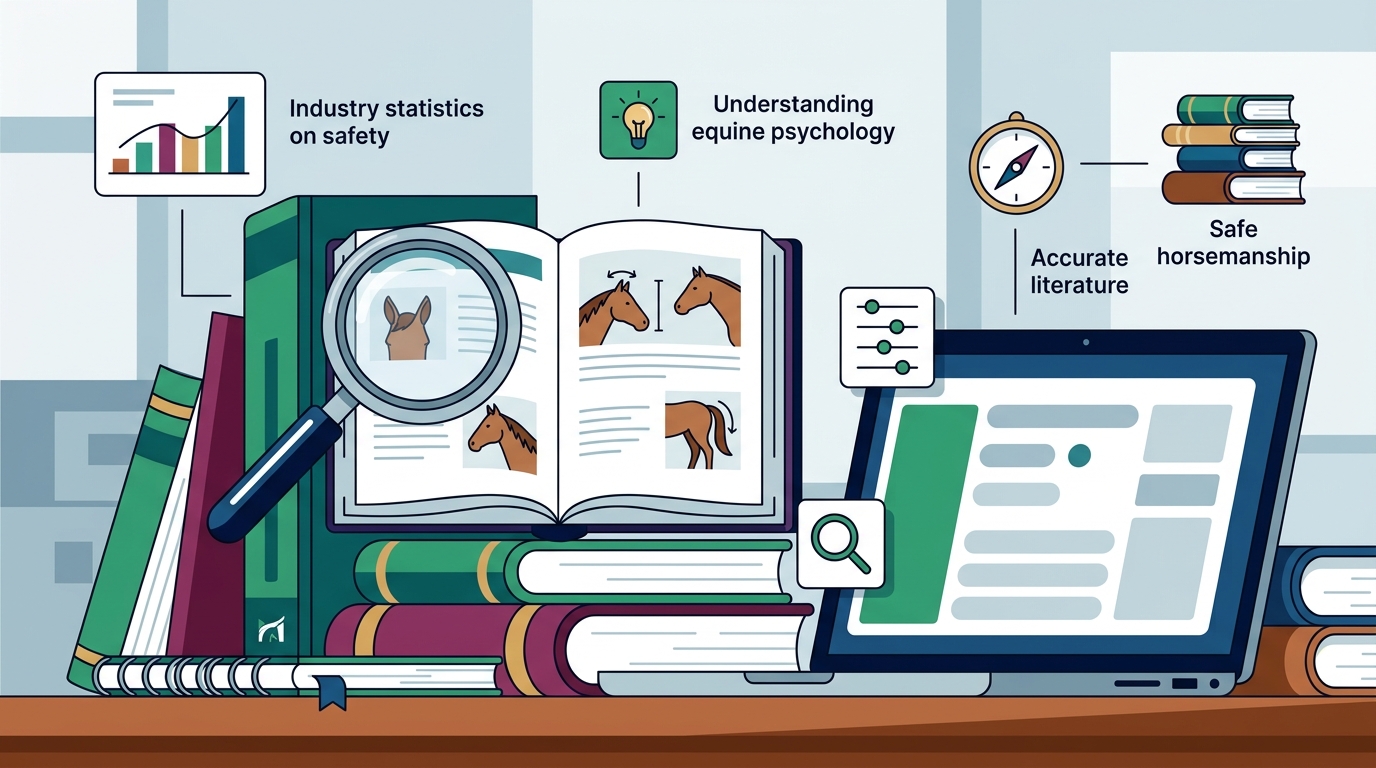
Understanding equine psychology is the foundation of safe and effective horsemanship. According to recent industry data, over 60% of riding accidents stem from misinterpreted horse signals rather than mechanical failure. This statistic highlights why accessing accurate, science-backed literature is critical for new riders. Navigating the vast amount of online content can be overwhelming, but focusing on authoritative sources ensures you build your knowledge on solid ground.
Understanding the Platform
Specialized equestrian publications serve as the primary hub for verified industry knowledge. These platforms aggregate content from professional trainers, veterinarians, and behaviorists who adhere to strict editorial standards. For a beginner, this curation process is invaluable because it filters out anecdotal myths and focuses on evidence-based practices.
When you visit a dedicated site like Horse Sport, you are accessing a repository that has served the Canadian equestrian community for decades. The site is structured to help users move from general news to specific educational content efficiently. The editorial team, including publishers like Jennifer Anstey and Susan Stafford-Pooley, ensures that the information remains relevant to current competition standards and welfare guidelines.
Beginners often mistake general horse news for educational material. It is important to distinguish between event coverage and behavioral analysis. The latter requires a deeper dive into specific sections dedicated to animal welfare and training methodologies. By targeting these specific areas, you avoid the noise of daily competition results and focus on skill acquisition.
Navigating Topic Categories
Most high-authority equestrian sites organize their educational content into distinct taxonomies. Recognizing these categories allows you to bypass irrelevant articles and find exactly what you need. The primary categories for behavior study typically include Behavior, Training, and Health.
The Behavior Section
The Behavior category is the most direct route to understanding equine psychology. Articles here often explore the "why" behind specific actions. For example, recent studies have looked at integrating ways to encourage more natural grazing situations in stalled horses to improve digestive health. This type of content links physical environment directly to psychological well-being.
When reading these articles, look for discussions on feeding rhythms and overnight behaviors. These topics provide foundational knowledge about the horse's natural instincts. Understanding these instincts helps beginners interpret subtle cues, such as ear position or tail swishing, which indicate stress or focus.
The Training Section
Training articles often overlap with behavior because learning is a psychological process. This section typically covers groundwork, riding techniques, and problem-solving strategies. Content here might include insights from renowned figures like Ian Millar, who shares course walking insights that require immense mental discipline from both horse and rider.
Beginners should prioritize articles that explain the mechanics of communication. Look for pieces that discuss rollbacks in jumping lessons, which test a rider's ability to maintain a horse's rhythm and balance. These technical breakdowns are essentially behavioral exercises disguised as athletic drills.
The Health and Welfare Section
Behavior is inextricably linked to physical health. Pain often manifests as "bad behaviour" in horses. Articles in this section help beginners identify when a behavioral issue is actually a medical one. For instance, respiratory support is a critical topic for horses facing dust, pollen, travel, and heavy work.
By reading about the physiological challenges horses face, you gain empathy and accuracy in your observations. This knowledge prevents the common beginner mistake of punishing a horse for a symptom of pain or discomfort.
Evaluating Content Quality
Not all articles are created equal. As a beginner, you must develop a critical eye for source credibility. The internet is filled with outdated advice that can lead to dangerous misunderstandings of equine nature. Use the following criteria to vet the articles you find.
Author Expertise
Check the byline of the article. Is the author a certified trainer, a veterinarian, or a recognized industry professional? Authoritative sites like Horse Sport list their editorial staff clearly. This transparency is a hallmark of professional journalism in the equestrian world.
Date of Publication
Equestrian science evolves. Techniques that were standard ten years ago may now be considered harmful. Always check the publication date. Recent updates, such as the FEI World Rankings for July 2026, indicate that the platform is actively maintained and current.
Depth of Analysis
High-quality articles provide context. They do not just state a fact; they explain the mechanism. For example, rather than simply saying "horses fear loud noises," a good article will explain the startle reflex and how to desensitize a horse to environmental stimuli safely.
Comparing Learning Resources
While online articles are excellent for theoretical knowledge, they are part of a broader learning ecosystem. Beginners should compare different types of resources to build a comprehensive skill set. The table below outlines the primary resources available to equestrians.
| Resource Type | Primary Benefit | Best For | Example Link |
|---|---|---|---|
| Specialized Articles | Deep dives into specific topics | Theoretical understanding | Horse Sport Articles |
| Stable Directories | Locating local professionals | Practical application | Canadian Stable Directory |
| Professional Coaching | Real-time feedback | Skill correction | Find a Trainer |
| Industry Reports | Statistical and trend data | Business and welfare insights | FEI Annual Reports |
Using the Canadian Stable Directory allows you to bridge the gap between reading about behavior and seeing it in practice. You can filter by riding style, such as English or Western, to find trainers who specialize in the specific behavioral methodologies you are studying.
Key Takeaways
- Over 60% of riding incidents are linked to misinterpreted horse signals, emphasizing the need for accurate behavioral education.
- Specialized platforms like Horse Sport provide curated, expert-reviewed content that filters out unreliable advice.
- Focus on the Behavior, Training, and Health categories for the most relevant beginner content.
- Recent studies highlight the importance of natural grazing rhythms for improving digestive health and reducing stress.
- Always verify the date of publication and the credentials of the author to ensure the advice is current and safe.
- Combine article reading with practical resources like the Stable Directory for a holistic learning approach.
- Behavioral issues are often rooted in physical pain, making veterinary insights crucial for beginners.
Frequently Asked Questions
Where can I find free horse behavior articles?
Many specialized equestrian websites offer free access to their core educational content. Platforms like Horse Sport provide extensive libraries of articles covering behavior, training, and welfare without requiring a subscription for basic reading.
How do I know if a horse behavior article is accurate?
Check the author's credentials and the publication date. Reputable sources list their editorial team and adhere to professional journalism standards. Look for content that cites scientific studies or expert opinions rather than personal anecdotes.
What is the difference between horse behavior and training articles?
Behavior articles focus on the psychological and physiological reasons behind a horse's actions. Training articles focus on the techniques used to teach specific skills. Both are interconnected, as training relies on understanding behavior.
Can I find local trainers who use modern behavior methods?
Yes. You can use the Canadian Stable Directory to search for trainers by province and riding style. This allows you to find professionals who specialize in the specific methodologies you are interested in.
Why is health important to understanding behavior?
Pain and discomfort are leading causes of behavioral changes in horses. Articles in the Health section help you identify when a behavioral issue is actually a medical one, such as respiratory issues or digestive pain.
Are there resources for beginner horse owners?
Absolutely. Sections dedicated to Equine Ownership and Farm Management provide foundational knowledge for new owners. These articles cover topics like pasture management and feeding behavior, which are critical for daily care.
Start Your Learning Journey Today
Mastering horse behavior is a continuous process that begins with reliable information. By utilizing the curated resources available on Horse Sport, you ensure that your foundation is built on safety, science, and professional expertise. Explore the Stable Directory to connect with local experts and apply what you learn in the real world. Visit the Contact Page for more information on how to engage with the equestrian community.