
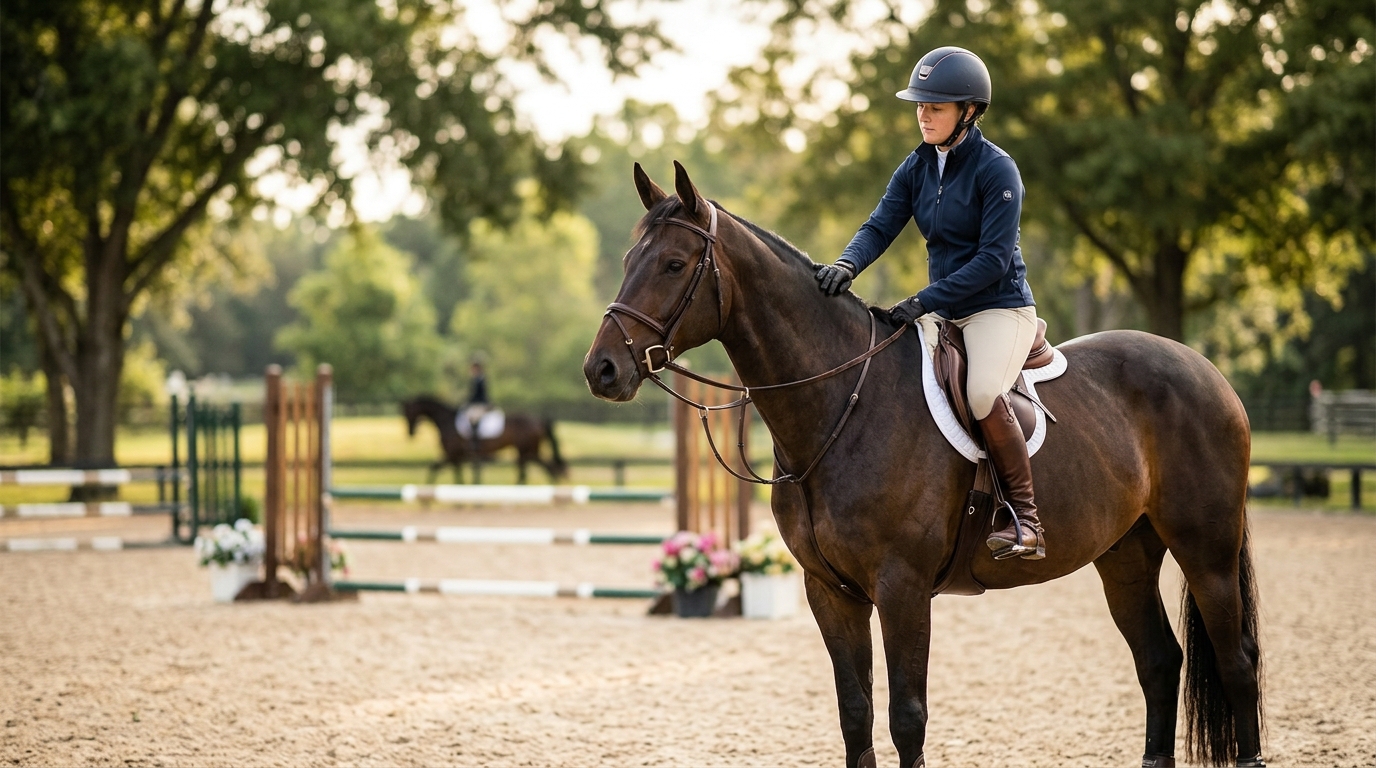
Show jumping is a discipline that demands absolute precision, athletic synergy, and split-second decision-making. According to recent industry analysis, the average competitive rider spends over 200 hours annually on foundational flatwork to ensure their horse remains responsive under pressure. This statistic highlights a critical reality: success in the ring is rarely about the jump itself. It is about the miles logged on the ground. For riders aiming to refine their craft, mastering the underlying mechanics of balance, rhythm, and communication is the only path to consistent performance. (Contact Us 8211 Horse)
The Foundations of Flatwork
Before a horse can clear a three-foot fence, they must understand the language of the aids. Flatwork is the vocabulary of equestrianism. Without it, the horse is guessing. Effective training begins with establishing a clear, consistent contact. This contact is not a rigid connection but a living, breathing dialogue between the rider's hands and the horse's mouth.
One essential concept in this phase is impulsion. Impulsion is the controlled energy that flows from the hindquarters through the back and into the bit. It is not speed. It is the readiness to move forward. When a horse lacks impulsion, they become heavy on the forehand. This makes every jump a struggle against gravity. To build impulsion, riders should utilize transitions. Moving from a collected trot to an extended trot and back again teaches the horse to engage their hind legs and lift their back.
Another critical component is lateral work. Movements such as leg-yielding and shoulder-in teach the horse to move away from pressure while maintaining balance. This lateral suppleness is vital for show jumping because it allows the horse to bend around corners and adjust their stride without losing rhythm. A horse that is stiff laterally will struggle to navigate tight turns in a course. By integrating lateral exercises into daily flatwork, riders create a more athletic and responsive partner.
For more insights on training methodologies, you can explore the training resources available on Horse Sport. These articles often feature expert advice on refining basic skills that translate directly to jumping performance.
Developing Core Balance and Independence
A rider's position is the steering mechanism for the horse. If the rider is unbalanced, the horse cannot be balanced. Developing core strength and independent seat bones is non-negotiable for show jumpers. An independent seat means the rider can move their upper body forward or back without disturbing the horse's balance or rhythm.
Many riders struggle with this because they rely on their hands to hold on. This creates a fixed point of contact that prevents the horse from stretching over their back. To correct this, riders should practice posting without stirrups. This exercise forces the rider to use their core muscles to stay centered. It also allows the horse to move freely without interference from the rider's weight.
Another effective drill is the two-point position, or jumping position. In this position, the rider's weight is supported by the stirrups and the lower leg, while the upper body leans forward. This mimics the position the rider will take over a fence. Holding this position for extended periods builds the endurance necessary to stay out of the horse's way during a round. It also teaches the rider to trust their balance rather than gripping with their knees or heels.
Research into equine biomechanics suggests that a rider's asymmetry can significantly impact a horse's movement. According to a study on rider influence, even minor imbalances in the saddle can cause a horse to favor one side, leading to uneven muscle development and potential soundness issues. Ensuring your seat is centered and symmetrical is not just about jumping better. It is about keeping your horse healthy and sound for the long term.
Mastering the Approach and Takeoff
The jump is made before the horse leaves the ground. The quality of the jump is determined by the quality of the approach. A consistent approach requires a consistent rhythm. Riders must learn to count their strides and adjust their pace to meet the fence at the correct distance.
One common error is rushing the approach. When a rider feels anxious, they tend to squeeze with their legs and drive the horse forward. This disrupts the horse's balance and often results in a refusal or a knock. Instead, riders should focus on maintaining a steady tempo. Use your seat to regulate the speed, not your hands. If the horse is too fast, close your legs and sit deep to slow them down. If they are too slow, apply a light driving aid to maintain momentum.
The takeoff point is equally important. Horses need a specific distance from the fence to launch effectively. This distance varies based on the horse's size, speed, and the height of the fence. Generally, a horse needs about three to four strides from the last pole to the fence to prepare for takeoff. Riders must learn to recognize this distance and adjust their position accordingly. If the horse is too close to the fence, they will dig in with their front legs. If they are too far away, they will struggle to reach the fence.
For detailed breakdowns of jumping mechanics, check out the jumping lessons section on Horse Sport. These guides provide visual and textual explanations of how to position your horse for optimal clearance.
Rollbacks and Directional Control
Show jumping courses are not just a series of straight lines. They require sharp turns, rollbacks, and adjustments to navigate the course efficiently. A rollback is a tight turn around a fence, often used to redirect the horse toward the next obstacle. Mastering rollbacks requires precise leg aids and a strong inside leg to maintain the bend.
To practice rollbacks, start with a simple circle around a fence. As you approach the fence, prepare for the turn by shifting your weight to your inside seat bone. Use your inside leg at the girth to maintain the bend and your outside leg behind the girth to prevent the hindquarters from swinging out. Your inside hand guides the turn, while your outside hand controls the amount of bend. This coordination allows the horse to turn tightly without losing balance.
Another key element is the use of half-halts. A half-halt is a brief, coordinated action of the seat, back, and legs to rebalance the horse. Before a turn or a fence, a half-halt shifts the horse's weight onto their hindquarters. This makes the horse more agile and responsive. Without half-halts, the horse will remain heavy on the forehand, making turns difficult and jumps flat.
Effective directional control also depends on the horse's understanding of the aids. If the horse is confused about which leg means which direction, they will hesitate or drift. Clear, consistent aids are essential. Over time, the aids become subtle, but the horse must always understand the request. Regular practice of turns and circles at all three gaits will reinforce this understanding.
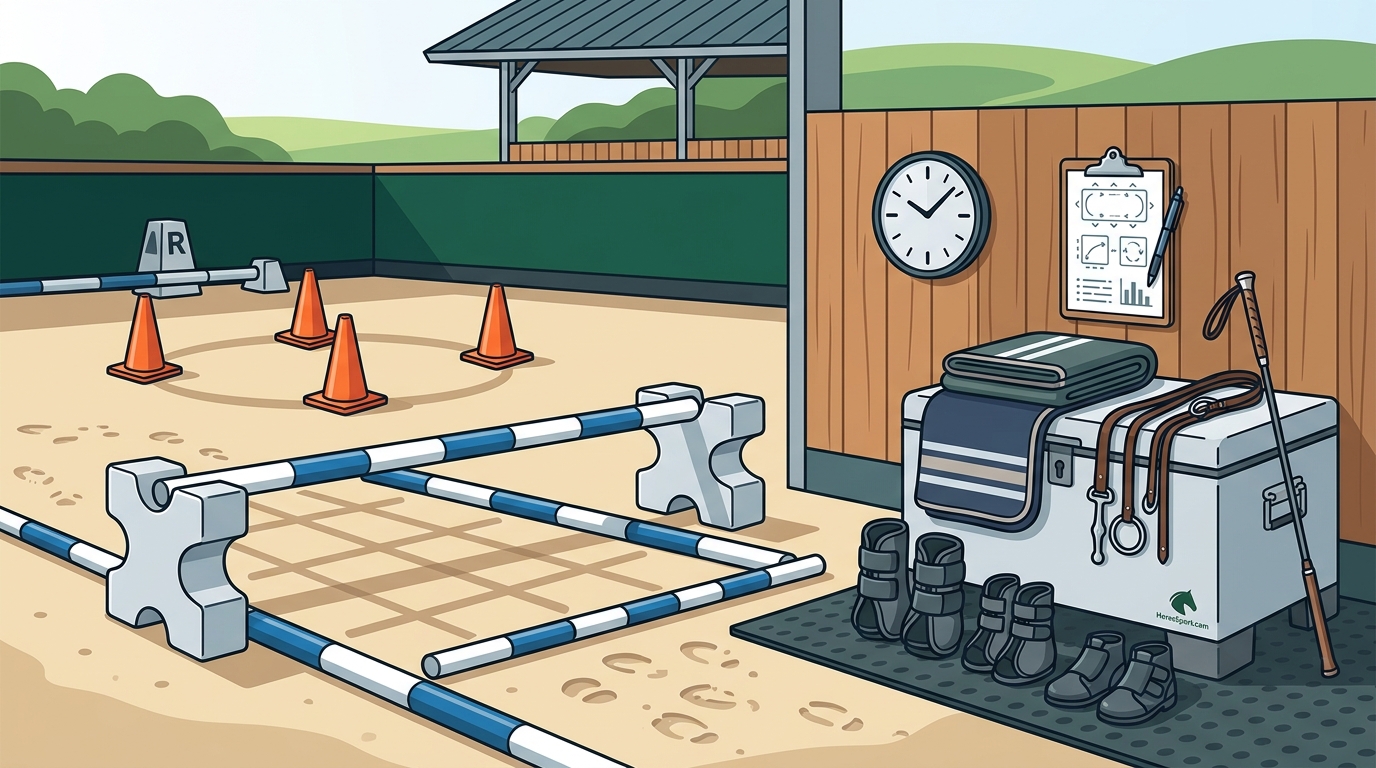
Rider Psychology and Course Walking
Show jumping is as much a mental game as it is a physical one. The pressure of the clock, the height of the fences, and the presence of judges can trigger anxiety in even the most experienced riders. Managing this anxiety is crucial for maintaining focus and executing a clear round.
One effective technique is visualization. Before stepping into the ring, riders should visualize their round in detail. Imagine the rhythm, the turns, and the jumps. See yourself staying calm and balanced. This mental rehearsal primes the brain for success and reduces the impact of nerves. It also helps riders anticipate challenges and plan their responses in advance.
Course walking is another vital mental preparation tool. Walking the course allows the rider to identify key points, such as where to turn, where to adjust stride, and where to relax. It transforms the course from a series of obstacles into a logical path. Riders should walk the course multiple times, focusing on different aspects each time. On the first walk, focus on the distances. On the second, focus on the turns. On the third, focus on the rhythm.
According to recent FEI updates, the mental resilience of riders is increasingly recognized as a key factor in international competition success. The FEI World Rankings Update for July 2026 highlights the growing importance of psychological preparation in top-tier equestrian sports. Riders who invest in mental training often see a significant improvement in their consistency and confidence.
For more on the mental aspects of riding, read the rider psychology articles on Horse Sport. These pieces offer practical advice on overcoming fear and building confidence.
Key Takeaways
- Flatwork is Fundamental: Over 200 hours of annual flatwork are typical for competitive riders to maintain responsiveness.
- Impulsion Drives Power: Controlled energy from the hindquarters is essential for lifting and scope.
- Balance Prevents Injury: An independent seat protects the horse's back and ensures accurate steering.
- Approach Determines Outcome: Consistent rhythm and correct takeoff distance are critical for clearing fences.
- Mental Prep is Key: Visualization and course walking reduce anxiety and improve decision-making.
- Rollbacks Require Precision: Tight turns demand coordinated leg aids and half-halts.
- FEI Standards Evolve: Recent rankings emphasize the role of mental resilience in elite competition.
Frequently Asked Questions
How often should I practice show jumping?
Consistency is more important than intensity. Jumping two to three times a week is ideal for maintaining skill and fitness. On non-jumping days, focus on flatwork and gymnastic exercises to reinforce the basics.
What is the most common mistake in show jumping?
The most common mistake is rushing the approach. Riders often drive the horse forward when they feel nervous, which disrupts the horse's balance and leads to errors. Focus on maintaining rhythm instead of speed.
How do I improve my horse's scope?
Scope is largely genetic, but it can be enhanced through proper conditioning. Building hindquarter strength through hill work and gymnastic exercises helps the horse jump higher and more efficiently. Ensure your horse is fit and balanced before increasing fence height.
What is a rollback in show jumping?
A rollback is a tight turn around a fence, typically used to redirect the horse toward the next obstacle. It requires precise balance, bend, and coordination between the rider's aids.
How can I reduce anxiety before a round?
Visualization and deep breathing are effective techniques. Visualize a successful round in detail before you enter the ring. Focus on your breathing to calm your nervous system. Remember that preparation is the best antidote to anxiety.
Why is half-halting important?
Half-halting rebalances the horse by shifting weight to the hindquarters. This makes the horse more agile and responsive, which is essential for turns and jumps. Without half-halts, the horse becomes heavy on the forehand.
What should I focus on when walking the course?
Focus on distances, turns, and rhythm. Identify where you need to adjust your pace and where you can relax. Plan your turns in advance to ensure you approach each fence with the correct balance and bend.
Get Started with Horse Sport
Mastering show jumping is a journey that requires dedication, patience, and the right resources. Horse Sport has been the voice of equestrian competition in Canada for over 50 years, providing the latest news, expert training advice, and community support. Whether you are a beginner or a seasoned competitor, our resources are designed to help you succeed.
Explore our training articles for in-depth guides on flatwork and jumping techniques. Visit our Canadian Stable Directory to find trainers and facilities near you. Stay updated with the latest equestrian news to keep pace with the competitive world. Join our community today and take your show jumping skills to the next level.