
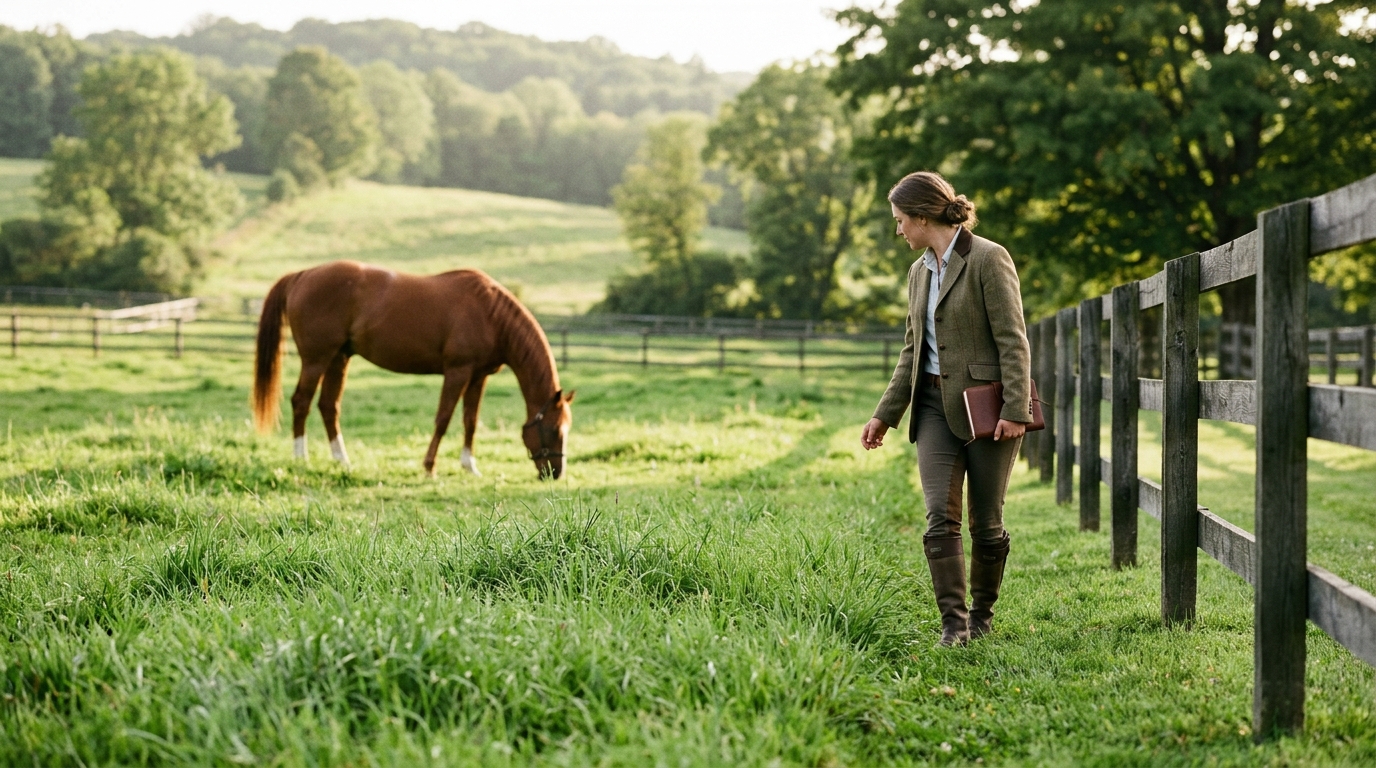
Effective pasture management is the foundation of equine health and farm sustainability. According to recent agricultural data, well-managed pastures can reduce feed costs by up to 40% while significantly improving soil health and biodiversity. This guide outlines the critical steps for maintaining lush, safe grazing land for your herd. (Donate 8211 Horse Sport)
Understanding Pasture Ecology
Pasture management is not merely about mowing grass. It is a complex biological system involving soil microbiology, plant physiology, and animal behavior. Pasture management is the systematic practice of maintaining grasslands to optimize forage quality and quantity for livestock. When horses graze, they selectively eat preferred species, which can lead to overgrazing of palatable plants and the dominance of less desirable weeds. (Contests 8211 Horse Sport)
To prevent this, owners must understand the growth cycles of cool-season grasses like fescue and ryegrass, as well as warm-season varieties like Bermuda grass. Each species has specific nutrient peaks and dormancy periods. Ignoring these cycles often results in nutrient-deficient forage, forcing owners to purchase supplemental hay. For more insights on farm management, explore our Farm of the Week features, which highlight successful operational strategies.
Soil Health and Testing
Healthy soil is the invisible engine of a productive pasture. Without proper nutrient levels, even the best grass seeds will fail to thrive. Soil testing is the diagnostic process of analyzing earth samples to determine nutrient deficiencies and pH levels. This step is non-negotiable for serious land managers.
Conducting Soil Tests
You should conduct soil tests every two to three years. Collect samples from different areas of your pasture to account for variability. The test will reveal levels of phosphorus, potassium, magnesium, and calcium. Based on these results, you can apply lime or fertilizer to correct imbalances. According to agricultural extension data, proper pH adjustment can increase forage digestibility by up to 15%.
Organic Matter Integration
Incorporating organic matter through composted manure or cover crops improves soil structure and water retention. This practice reduces runoff and enhances the soil's ability to support deep root systems. Deep roots make grasses more resilient to drought and heavy grazing pressure. For detailed advice on manure handling, review our Farm Management resources.
Strategic Grazing Methods
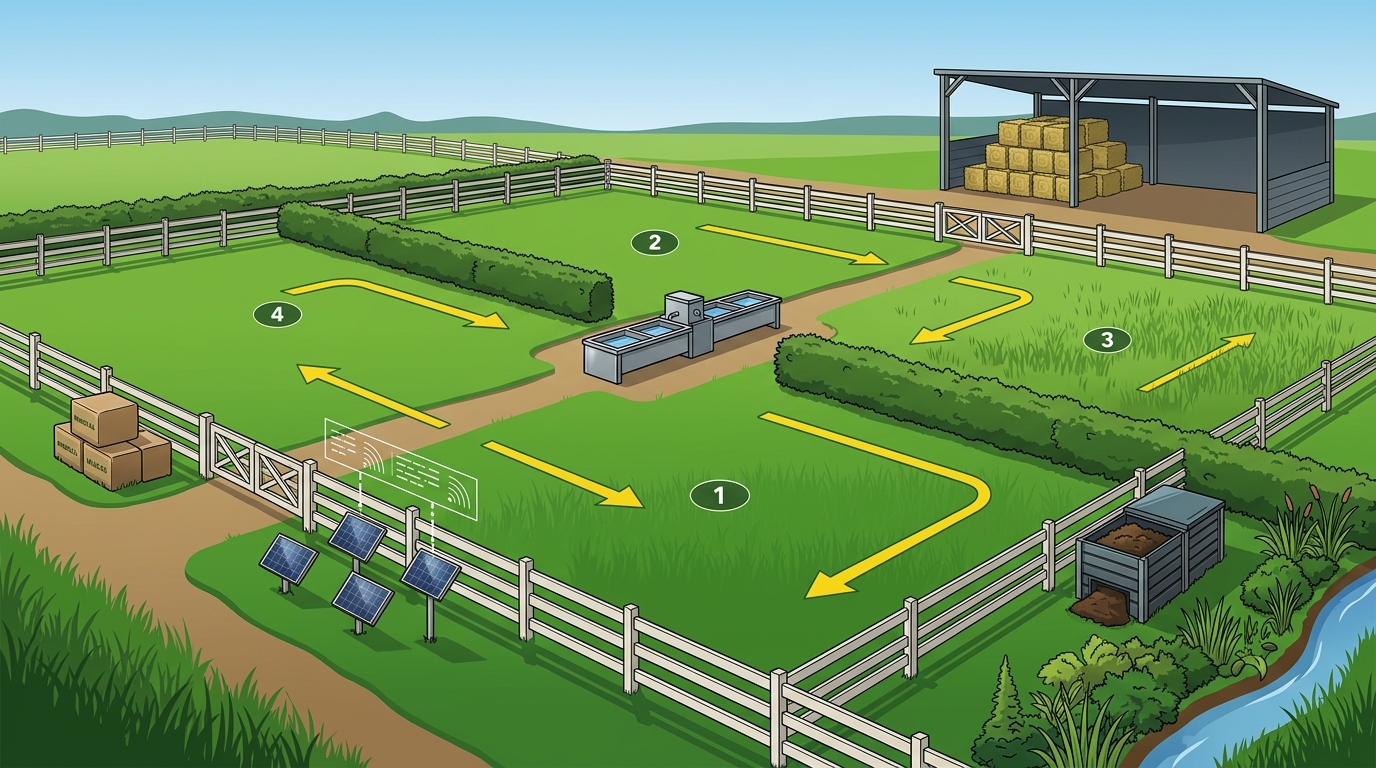
Continuous grazing, where horses have 24/7 access to the same land, is the most damaging method. It leads to soil compaction, parasite buildup, and uneven forage consumption. Rotational grazing is the practice of dividing pastures into smaller paddocks and moving livestock between them to allow forage recovery.
Implementing Rotational Grazing
Divide your land into at least four paddocks. Move horses when forage height drops to approximately three inches. This height ensures that the plant's growing point remains intact, allowing it to regrow quickly. Allow each paddock to rest for 30 to 60 days, depending on weather conditions. This rest period is critical for root development and seed head production.
Harvesting Surplus Forage
During peak spring growth, pastures often produce more grass than horses can eat. Instead of letting it rot, mow the surplus and bale it as hay. This practice prevents overgrazing and provides a valuable feed source for winter. It also helps control weed seeds by removing them before they mature. For seasonal tips, check our Nutrition section for guidance on forage quality.
Weed and Toxin Control
Weeds compete with grass for nutrients and water. More importantly, many common pasture weeds are toxic to horses. Toxicology in pastures refers to the study of harmful plants and substances that can cause illness or death in equines. Early identification and management are key to preventing accidental poisoning.
Common Pasture Hazards
Plants such as ragwort, buttercup, and nightshade are common threats. Ragwort is particularly dangerous as it contains pyrrolizidine alkaloids that cause irreversible liver damage. According to veterinary toxicology reports, even small amounts of ragwort can be fatal over time. Regularly inspect your pastures and remove toxic plants by hand or through targeted herbicide application.
Integrated Pest Management
Use a combination of mechanical, biological, and chemical controls. Mowing before weeds set seed prevents spread. Introducing competitive grass species can also suppress weed growth by limiting available sunlight and space. For expert opinions on pasture safety, read our Opinions column on equine welfare.
Infrastructure and Fencing
Proper infrastructure supports effective grazing management. Fencing must be safe, durable, and visible. Fencing integrity is the measure of a barrier's ability to contain livestock while minimizing injury risk. Broken fences lead to escaped horses and damaged pastures.
Fencing Materials
Electric tape, polywire, and smooth braid are popular choices for rotational grazing. They are flexible, visible, and cost-effective. Ensure posts are sturdy and wires are taut. Regularly check for vegetation touching the wires, as this can short out the electric current. For more on equipment and tack, visit our Tack & Equipment section.
Water and Shelter Access
Water troughs should be placed strategically to avoid creating muddy patches. Use gravel pads around water sources to improve drainage. Provide shelter from wind and extreme weather. Natural tree lines or run-in sheds offer protection. Access to clean water is critical for digestion and overall health. For more on horse health, see our Health articles.
Key Takeaways
- Soil Testing: Test soil every two to three years to maintain optimal pH and nutrient levels.
- Rotational Grazing: Divide pastures into multiple paddocks to allow for forage recovery and reduce parasite loads.
- Weed Control: Identify and remove toxic plants like ragwort immediately to prevent poisoning.
- Forage Height: Move horses when grass reaches three inches to protect root systems.
- Infrastructure: Maintain safe fencing and clean water sources to ensure horse safety and pasture health.
- Supplemental Feeding: Monitor forage quality and provide hay or grain when pastures are dormant or nutrient-poor.
- Professional Guidance: Consult with local extension services or equine nutritionists for tailored advice.
Frequently Asked Questions
How often should I rotate my horses to new pastures?
Rotate horses every 3 to 4 weeks, or when forage height drops to three inches. The exact timing depends on weather and grass growth rates.
What is the best time of year to aerate pastures?
Aerate in early spring or early fall when grass is actively growing. This allows the soil to recover quickly and promotes deep root development.
How can I control weeds without harming horses?
Use targeted herbicides applied by professionals, or manually remove weeds by hand. Avoid broad-spectrum sprays that could drift onto grazing areas.
Why is my pasture muddy in wet seasons?
Mud is often caused by overgrazing and poor drainage. Improve drainage with gravel pads and avoid grazing pastures when they are saturated.
What are the signs of a nutrient-deficient pasture?
Signs include sparse grass cover, weed dominance, and poor horse coat condition. Soil testing can confirm specific deficiencies.
How much land do I need per horse?
Generally, one acre of well-managed pasture can support one horse. However, this varies based on soil quality, climate, and forage type.
Can I use manure from other animals on horse pastures?
Yes, but ensure it is composted to kill parasites and pathogens. Avoid fresh manure from herbivores that may carry equine-specific diseases.
Contact Horse Sport
For more expert advice on equine care, farm management, and the latest news in the equestrian world, visit Horse Sport. We are Canada's leading source for equestrian journalism. Contact our team at Contact Us for advertising or editorial inquiries.