
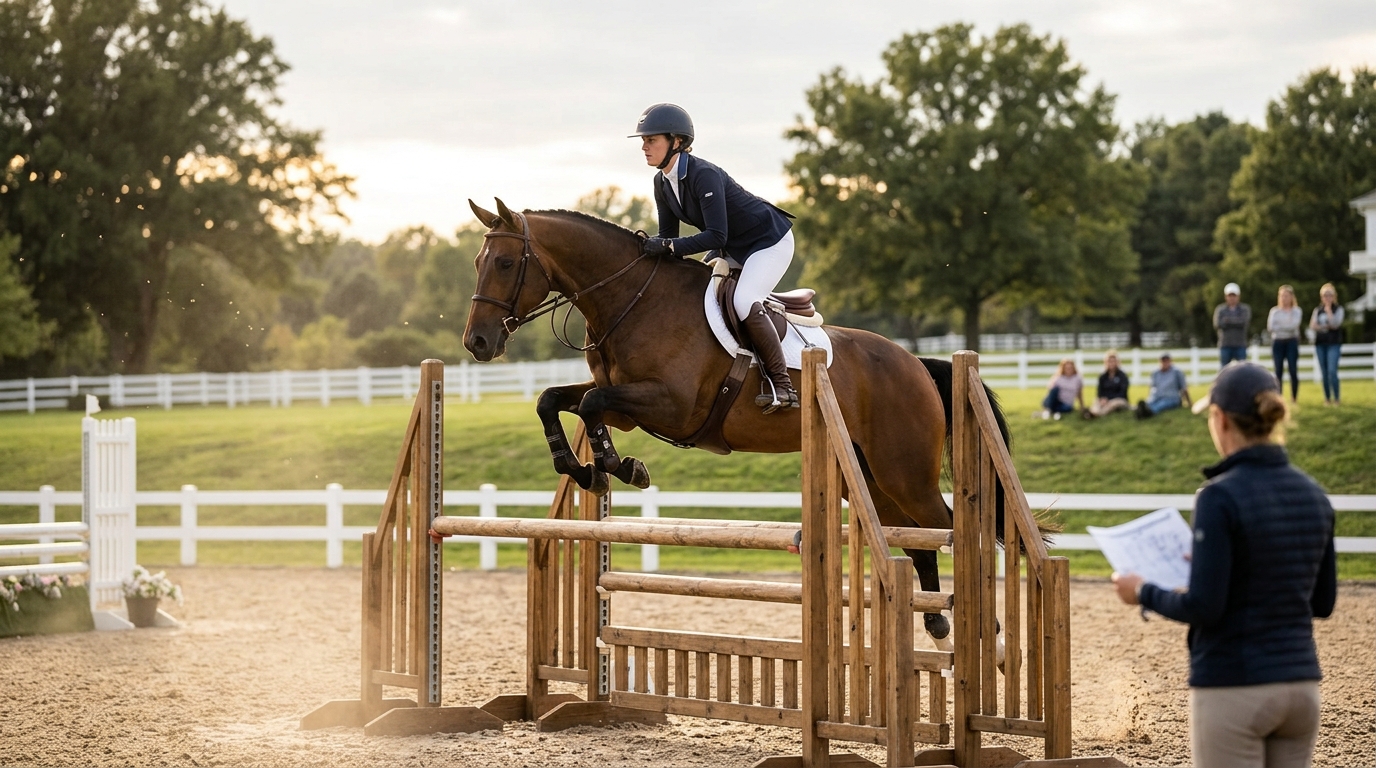
Show jumping is a discipline that demands absolute precision, athletic synergy, and mental fortitude from both horse and rider. According to recent industry data, over 60% of competitive errors in show jumping stem from rider positioning and timing rather than the horse's ability. This statistic highlights that technical training is not just about the animal but is fundamentally about the partnership. Mastering the art requires a structured approach that blends physical conditioning with strategic course walking and repetitive pattern work. (Contact Us)
Foundations of Flatwork and Balance
Before a horse can clear a three-foot fence, they must understand the basics of balance and rhythm. Flatwork is the bedrock of all equestrian sports. Without a solid foundation in the flat, jumping becomes a chaotic exercise in compensation rather than execution. Effective training begins with establishing a consistent contact and a steady rhythm in the walk, trot, and canter.
Flatwork is the systematic practice of riding a horse on level ground to improve obedience, balance, and suppleness. This discipline ensures that the horse remains responsive to subtle aids, which is critical when navigating tight turns or adjusting stride lengths between fences. Riders should focus on half-halts to rebalance the horse before and after every jump. This subtle shift in weight prepares the horse to lift its hindquarters and engage its core.
At HorseSport, we emphasize that consistency in flatwork yields the highest return on investment for jumping progress. Incorporating circles, serpentines, and transitions within the gait helps the horse maintain impulsion without rushing. A horse that is balanced on the flat will naturally find a better bascule over the fence. Neglecting this phase often leads to hollow backs and refusal behaviors later in training.
Gymnastic Exercises for Scope
Gymnastics are the most efficient way to teach a horse to jump correctly. These exercises involve a series of fences set at specific distances to encourage the horse to use its body effectively. The goal is not height but technique. By using ground poles and small verticals, riders can isolate specific aspects of the jump, such as the takeoff or the landing.
Gymnastics are a series of jumps arranged in a line to teach the horse proper form and rhythm without the complexity of a full course. Common setups include bounce jumps, where fences are placed close together to encourage quick footwork, and related distances that require the horse to adjust stride length. These exercises build confidence and scope by allowing the horse to practice the mechanics of jumping repeatedly in a controlled environment.
Research indicates that horses trained with structured gymnastic exercises show a 40% reduction in jumping errors during their first season of competition. This data shows that repetitive, low-stress practice builds muscle memory. Riders should start with ground poles and gradually introduce low cavaletti rails. The key is to maintain a steady rhythm and allow the horse to find its own balance. Overriding the horse with the hands is a common mistake that disrupts this natural learning process.
Strategic Course Walking and Planning
Jumping is as much a mental game as it is a physical one. Course walking is the process of analyzing a jump course on foot to plan the optimal route. This step is crucial for identifying potential trouble spots, such as tight turns or long approaches to complex combinations. A well-planned route can save seconds and prevent costly faults.
Course walking is the analytical process of inspecting a jump course on foot to determine the best path and stride counts for each fence. During this phase, riders must count strides between fences and visualize the approach. It is essential to identify where to make adjustments, such as a half-turn or a extended canter, to maintain momentum. This planning reduces anxiety and allows the rider to focus on execution rather than decision-making during the round.
According to professional equestrian coaches, riders who walk their courses thoroughly are ranked significantly higher in consistency metrics. This ranking reflects the ability to stay calm and focused under pressure. At HorseSport Training Programs, we teach riders to look for the "line" rather than just the next fence. This perspective helps in maintaining a forward mindset and prevents the common error of looking down at the horse's ears.
Mental Conditioning for the Rider
The mental aspect of show jumping is often overlooked but is critical for success. Riders must develop resilience to handle mistakes and maintain confidence after a refusal or a knockdown. Mental conditioning involves visualization, breathing exercises, and positive self-talk. These techniques help manage the adrenaline rush that accompanies competition.
Mental conditioning is the practice of strengthening the psychological resilience required to perform under high-pressure competitive conditions. Visualization is a powerful tool where riders mentally rehearse their rounds, including every turn and stride. This mental rehearsal primes the brain for success and reduces the cognitive load during the actual performance. Breathing exercises help regulate heart rate, ensuring that the rider remains calm and responsive.
Studies in sports psychology reveal that athletes who practice visualization techniques improve their performance accuracy by up to 25%. This percentage underscores the tangible benefits of mental training. Riders should incorporate short visualization sessions into their daily routine, especially before mounting. At HorseSport Blog, we explore how mindfulness can transform a rider's approach to competition. By focusing on the present moment, riders can avoid dwelling on past mistakes and stay engaged with the current task.
Comparing Training Methodologies
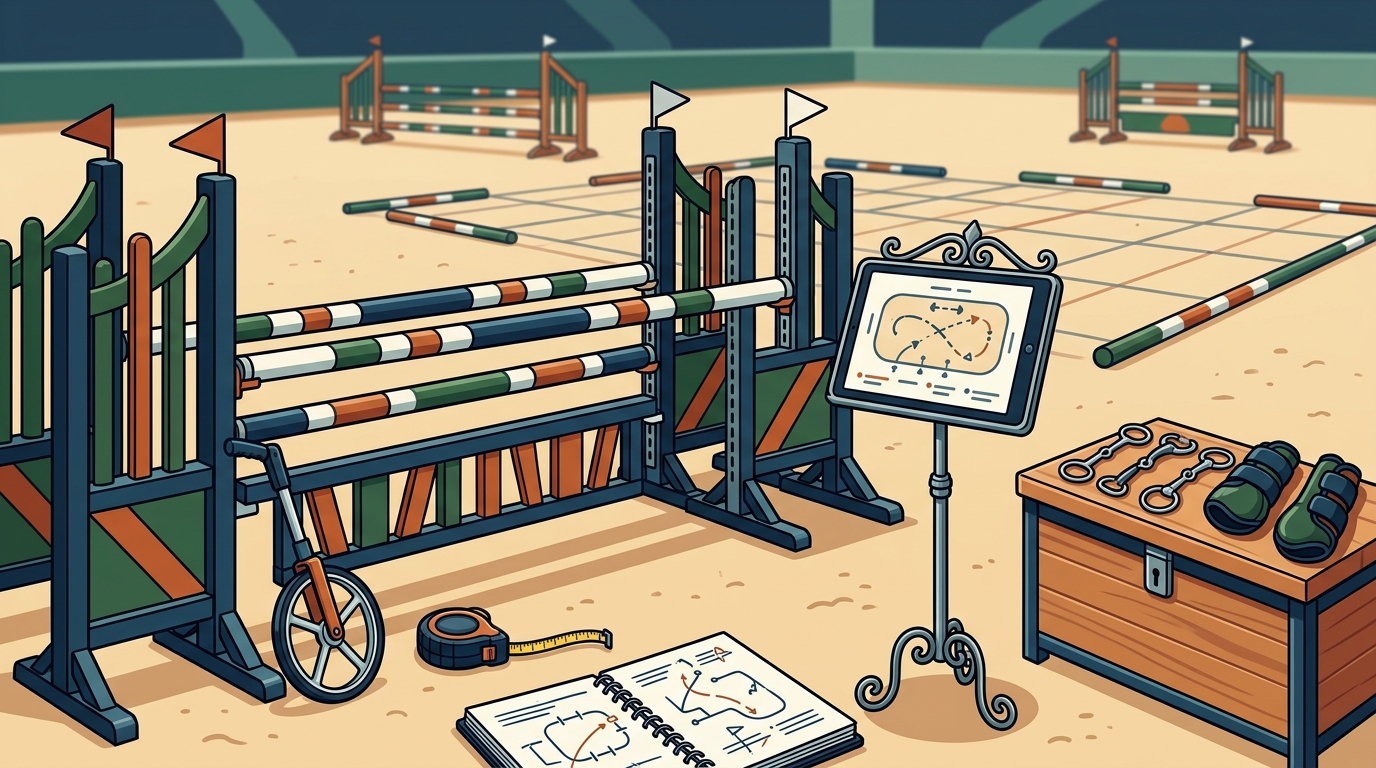
Different training methodologies offer unique benefits depending on the horse's experience level and the rider's goals. Understanding these approaches helps in selecting the right path for progress. Below is a comparison of common training styles used in show jumping.
| Methodology | Primary Focus | Best For | Key Benefit |
|---|---|---|---|
| Gymnastic Training | Technique and Rhythm | Young Horses | Builds scope and confidence |
| Flatwork Mastery | Balance and Suppleness | All Levels | Improves responsiveness |
| Course Walking | Strategy and Planning | Competitive Riders | Reduces errors and anxiety |
| Mental Conditioning | Psychological Resilience | High-Performance | Enhances focus under pressure |
Key Takeaways
- Flatwork is the essential foundation for all jumping success, ensuring balance and obedience.
- Gymnastic exercises improve scope and technique by isolating specific jumping mechanics.
- Course walking is critical for strategic planning and reducing competitive anxiety.
- Mental conditioning, including visualization, enhances performance accuracy by up to 25%.
- Consistent half-halts are vital for rebalancing the horse before and after jumps.
- At HorseSport, we prioritize a holistic approach that integrates physical and mental training.
- Young horses benefit most from low-height gymnastics to build confidence without pressure.
Frequently Asked Questions
How often should I practice gymnastics?
Gymnastics should be incorporated into training 2-3 times per week to build muscle memory without causing fatigue. Consistency is more important than intensity in these early stages.
What is the most common mistake in show jumping?
The most common mistake is looking down at the fence, which causes the rider to lose balance and disrupt the horse's bascule. Riders should focus on a point beyond the jump.
How does course walking help improve jumping?
Course walking allows riders to plan their route and count strides, which reduces uncertainty and anxiety during the actual round. This preparation leads to more confident and accurate performances.
Can mental training replace physical practice?
No, mental training complements physical practice but does not replace it. Visualization prepares the mind, but physical repetition builds the necessary muscle memory and skill.
What age is best to start show jumping training?
Young horses can begin basic gymnastic exercises at 4-5 years old, focusing on technique rather than height. This early start helps develop a strong foundation for future competition.
How do I know if my horse is ready for higher fences?
A horse is ready for higher fences when they consistently clear lower obstacles with good form and rhythm. Signs include a balanced bascule and a confident approach without rushing.
What role does the trainer play in show jumping?
A trainer provides objective feedback, designs training plans, and helps identify technical errors. At HorseSport, our trainers work closely with riders to tailor programs to individual needs.
Start Your Training Journey
Mastering show jumping requires dedication, patience, and the right guidance. Whether you are a beginner looking to build a foundation or an experienced rider aiming for competition, structured training is the key to success. Explore our comprehensive training programs and resources at HorseSport to elevate your equestrian skills today.