
High-performance equine athletes demand nutritional strategies that go far beyond basic maintenance. According to recent industry data, elite competitors often require up to 30% more caloric intake than their sedentary counterparts to sustain peak physical output. This guide explores the critical components of equine nutrition for high-performance horses, drawing on insights from Horse Sport and leading veterinary research to help you optimize your horse's diet for maximum potential.
Understanding Energy Demands
The foundation of any high-performance diet is adequate energy. Energy in equine nutrition is primarily derived from fats and carbohydrates. For horses engaged in intense work, such as show jumping or eventing, the balance between these macronutrients is crucial. Equine nutrition experts emphasize that excessive starch can lead to digestive upset, while excessive fat may not provide the quick energy needed for explosive movements. (Donate 8211 Horse Sport)
High-performance horses burn calories at a rapid rate. A study on metabolic rates in athletic horses indicates that energy expenditure can double during competition seasons. Therefore, the source of these calories matters immensely. Forage remains the cornerstone of any equine diet, providing necessary fiber for gut health. However, forage alone rarely meets the caloric needs of a top-tier athlete.
The Role of Fats
Fats are a dense energy source, providing more than twice the calories per gram compared to carbohydrates. Adding vegetable oils or rice bran to a high-performance horse's diet can help maintain weight without increasing the volume of feed. This is particularly important for horses that are "hard keepers" or those competing in endurance events where weight management is critical.
Carbohydrate Sources
While fats are excellent for sustained energy, carbohydrates are vital for high-intensity bursts. Oats have traditionally been used, but modern nutritionists often recommend low-starch, high-fiber grains or specialized feeds designed for athletic horses. These feeds provide a steady release of glucose, preventing the energy crashes that can affect performance.
Protein and Muscle Repair
Protein is the building block of muscle tissue. For high-performance horses, the quality and quantity of protein in their diet directly impact their ability to recover from intense training sessions. Equine health protocols often include specific protein targets to ensure muscle repair and growth.
Amino acids, particularly lysine, are essential for muscle development. High-quality protein sources include soybean meal, alfalfa, and specialized amino acid supplements. It is not just about the total amount of protein but the balance of amino acids that matters. An imbalance can lead to inefficient protein utilization, where the horse expends more energy processing the protein than it gains from it.
Recovery Nutrition
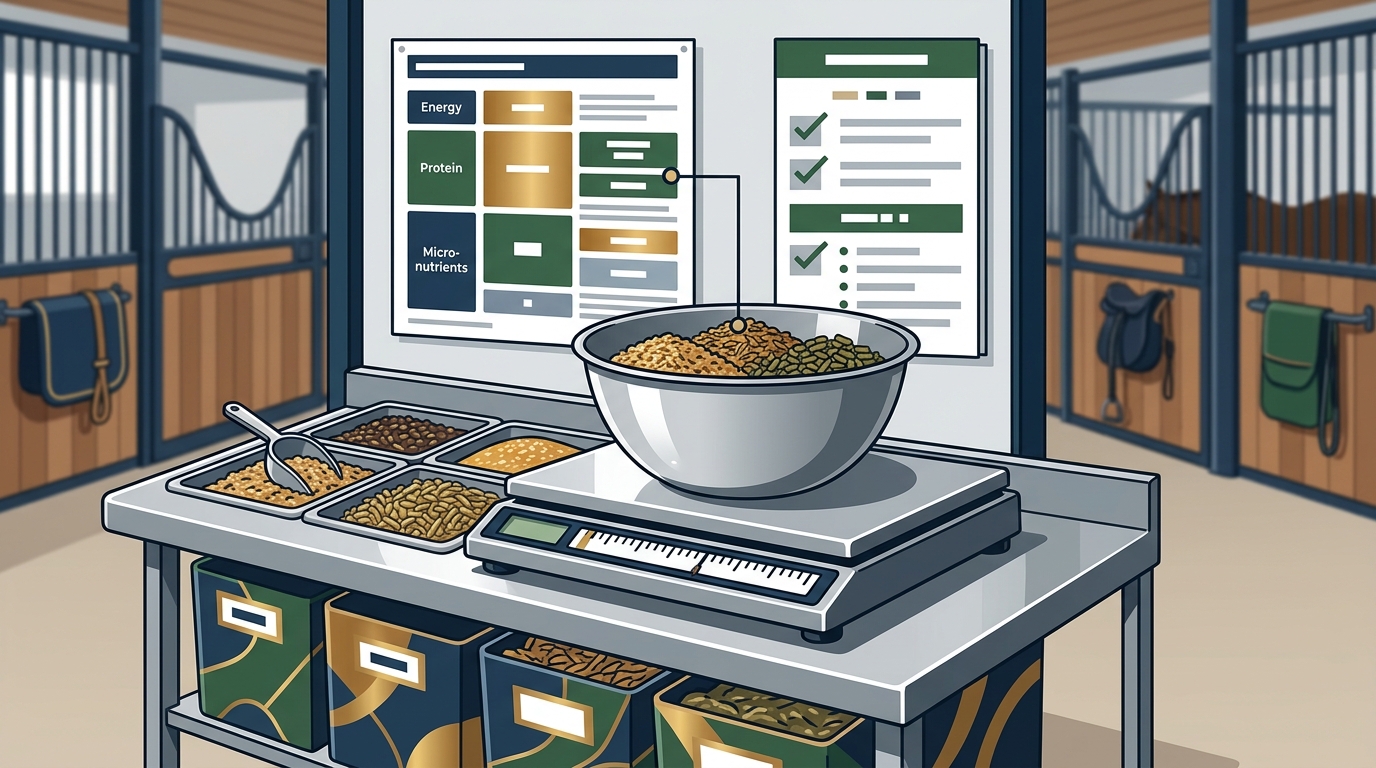
Post-exercise nutrition is a critical window for recovery. Feeding a high-performance horse within 30 minutes of intense work can significantly reduce muscle soreness and speed up recovery. This feed should contain a mix of easily digestible carbohydrates and high-quality protein to replenish glycogen stores and repair muscle fibers.
Electrolyte Management
Electrolytes are minerals that play a key role in fluid balance, nerve transmission, and muscle contraction. High-performance horses lose significant amounts of electrolytes through sweat. Sodium, chloride, potassium, magnesium, and calcium are the primary electrolytes that need to be replenished. Farm management best practices include monitoring sweat loss and adjusting electrolyte supplementation accordingly.
Deficiencies in electrolytes can lead to dehydration, muscle cramps, and decreased performance. In hot and humid conditions, the risk of electrolyte imbalance increases. It is essential to provide free-choice salt and consider electrolyte supplements in water or feed during competition seasons. However, over-supplementation can also be harmful, so it is important to follow veterinary guidelines.
Sweat Loss Calculation
Understanding how much a horse sweats is crucial for accurate electrolyte replacement. A horse can lose up to 15 liters of sweat during a intense competition. This sweat contains high concentrations of sodium and chloride. Replacing these losses requires more than just offering water. Electrolyte powders or pastes can help ensure that the horse receives the necessary minerals to maintain physiological balance.
Supplement Strategies
While a balanced diet should provide most nutrients, high-performance horses often benefit from targeted supplements. These supplements address specific needs that may not be met by forage and grain alone. Training regimens for elite horses often include specific supplement protocols to enhance performance and recovery.
Common supplements for high-performance horses include:
- Joint Support: Glucosamine, chondroitin, and hyaluronic acid help maintain joint health and cartilage integrity.
- Hoof Supplements: Biotin and methionine support hoof growth and strength, which is vital for athletic performance.
- Antioxidants: Vitamins E and C help combat oxidative stress caused by intense exercise.
- Probiotics: Support gut health and improve nutrient absorption, which is critical for overall well-being.
Choosing the Right Supplements
Not all supplements are created equal. It is important to choose products from reputable manufacturers that undergo third-party testing for purity and potency. Consulting with a veterinary nutritionist can help determine which supplements are necessary for your specific horse based on their discipline, age, and health status.
Hydration Critical
Hydration is perhaps the most overlooked aspect of equine nutrition for high-performance horses. Dehydration can lead to colic, laminitis, and severe performance decline. Horses must have access to clean, fresh water at all times. Nutrition experts stress that water intake should be monitored closely, especially during travel and competition.
Sometimes, horses may refuse to drink water that tastes different, such as water from a new location. Adding electrolytes or a small amount of apple juice to the water can encourage drinking. It is also important to ensure that the water temperature is not too cold, as this can reduce intake.
Travel Hydration
Travel can be stressful for horses and often leads to decreased water intake. Ensuring that horses drink adequately before, during, and after travel is essential. Offering soaked hay or beet pulp can help increase fluid intake. Additionally, providing electrolytes in the water can help maintain hydration levels and prevent dehydration-related issues.
Key Takeaways
- High-performance horses require up to 30% more calories than sedentary horses to sustain peak output.
- Fats provide dense energy, while carbohydrates are vital for high-intensity bursts.
- Protein quality and amino acid balance are crucial for muscle repair and growth.
- Electrolyte replacement is essential to prevent dehydration and muscle cramps.
- Post-exercise nutrition within 30 minutes significantly aids recovery.
- Targeted supplements can address specific needs like joint health and hoof strength.
- Hydration is critical, and travel can significantly impact water intake.
Frequently Asked Questions
How much water does a high-performance horse need daily?
A high-performance horse typically needs between 10 to 15 gallons of water per day, depending on workload and weather conditions. Monitoring intake is crucial to ensure adequate hydration.
What are the best energy sources for athletic horses?
A combination of high-quality forage, fats, and low-starch carbohydrates is ideal. Oils and specialized feeds provide sustained energy without the risk of digestive upset associated with high-starch grains.
How often should I supplement my horse's diet?
Supplementation should be based on individual needs. Regular veterinary check-ups can help determine the necessity and frequency of supplements like joint support, electrolytes, and vitamins.
Can I feed my horse oats for energy?
While oats provide energy, they are high in starch. For high-performance horses, low-starch, high-fiber feeds or fats are often recommended to avoid digestive issues and provide more consistent energy.
What should I feed my horse after intense exercise?
Feed a mix of easily digestible carbohydrates and high-quality protein within 30 minutes of exercise to aid in muscle recovery and glycogen replenishment.
How do I know if my horse is dehydrated?
Signs of dehydration include dry gums, sunken eyes, and slow skin tenting. Monitoring water intake and offering electrolytes can help prevent dehydration, especially during travel and competition.
Are probiotics necessary for high-performance horses?
Probiotics can support gut health and improve nutrient absorption, which is beneficial for high-performance horses. They help maintain a healthy microbial population in the hindgut.
Contact Us
For more insights on equine nutrition and performance, visit Horse Sport. If you have specific questions about your horse's diet, consider consulting with a veterinary nutritionist. You can also reach out to our team via our Contact Us page for further assistance.