
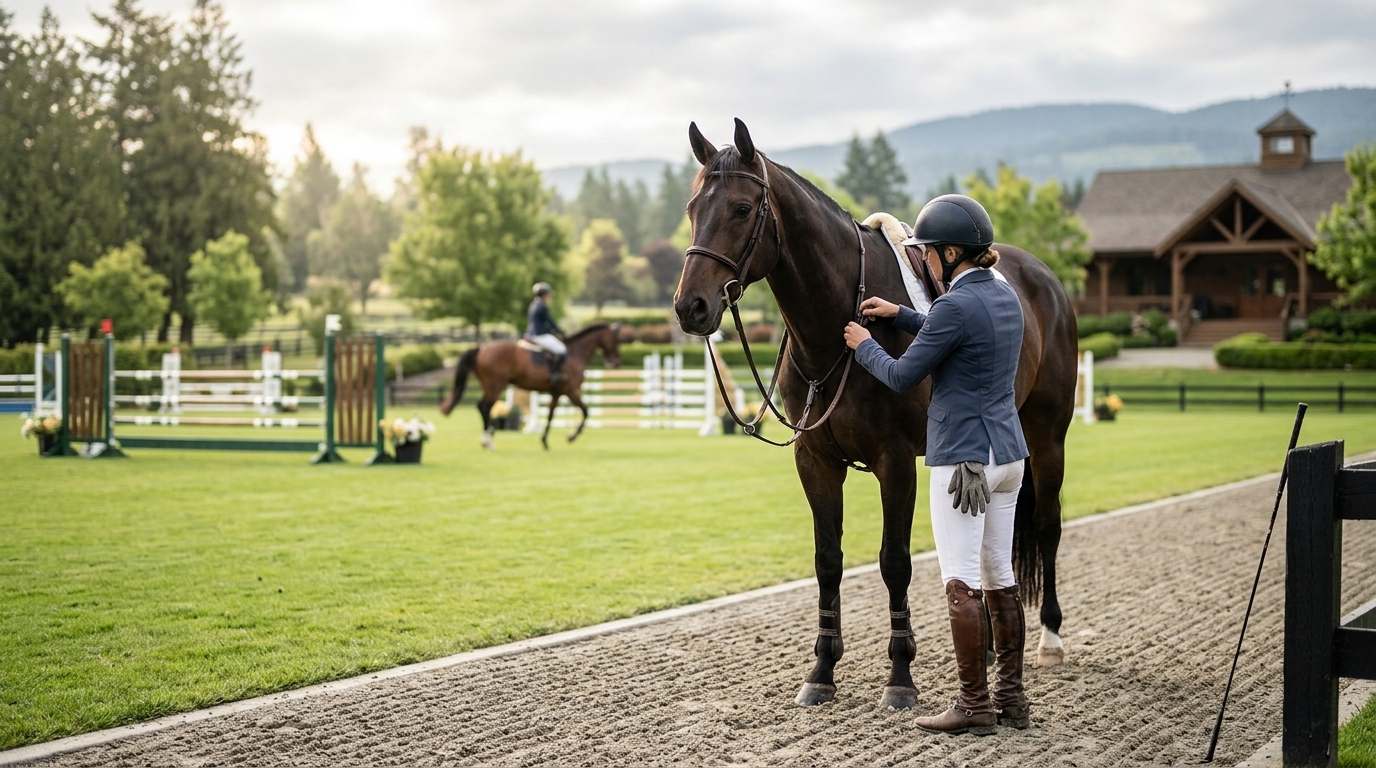
Show jumping is a discipline defined by precision, athleticism, and the seamless partnership between horse and rider. Success in this sport requires more than just natural talent; it demands a rigorous, structured approach to training that addresses both physical conditioning and mental focus. Recent industry analysis indicates that consistent, technique-focused training can reduce jumping errors by up to 30% in competitive circuits. This guide explores the core methodologies used by elite trainers to build confidence and accuracy in the ring.
Understanding the Basics of Show Jumping
Show jumping is a timed equestrian event where the horse and rider must navigate a course of obstacles without knocking down rails or refusing jumps. The sport is governed by strict rules that prioritize safety and fairness. According to the Fédération Equestre Internationale, the governing body for equestrian sports, the primary objective is to complete the course with the fewest penalties in the shortest time.
For Canadian riders, understanding the local competitive landscape is crucial. The Canadian Stable Directory provides a comprehensive list of facilities that offer specialized show jumping training. These facilities often host clinics led by experienced coaches who can help riders refine their techniques. The sport has a rich history in Canada, with many national and international competitions held annually.
Effective training begins with a solid understanding of the rules and the physical demands of the sport. Riders must be aware of the specific requirements for each level of competition, from local hunter/jumper shows to national championships. This knowledge helps in setting realistic goals and creating a training plan that addresses specific weaknesses.
The Role of Flatwork in Jumping
Flatwork is the foundation of all equestrian disciplines, and it is particularly critical in show jumping. It involves training the horse on the flat ground to improve balance, responsiveness, and obedience. Without strong flatwork, a horse will struggle to maintain rhythm and impulsion over fences.
One of the most important aspects of flatwork is the development of the horse's core strength. A strong core allows the horse to engage its hindquarters, which is essential for generating the power needed to clear jumps. Riders should incorporate exercises such as circles, serpentines, and transitions into their daily flatwork routine.
Another key component of flatwork is the establishment of a consistent rhythm. A steady rhythm helps the horse stay relaxed and focused, which is vital when approaching a jump. Riders can use metronomes or music to help maintain a consistent tempo during training sessions. This consistency translates directly to better performance in the ring.
Mastering Approach and Balance
The approach to a jump is just as important as the jump itself. A balanced approach ensures that the horse has the necessary impulsion and direction to clear the obstacle safely. Riders must focus on maintaining a straight line and a consistent speed as they approach the fence.
Balance is achieved through proper seat position and independent leg aids. The rider's seat should be deep and secure, allowing them to follow the horse's motion without interfering with its movement. The legs should remain steady and close to the horse's sides, providing a stable base for the rider.
According to recent studies on equine biomechanics, the angle of approach can significantly impact a horse's ability to jump effectively. A slight inward angle can help the horse align its body with the fence, reducing the risk of knocking down rails. Riders should practice approaching jumps from different angles to develop this skill.
Rollbacks and Tight Turns
Rollbacks are a critical technique in show jumping, particularly in courses with tight turns between jumps. A rollback involves turning the horse sharply around its hindquarters to change direction quickly. This maneuver requires significant strength and coordination from both the horse and the rider.
To master the rollback, riders must first ensure that the horse is responsive to leg and seat aids. The rider should use their inside leg to ask for the turn while their outside leg maintains impulsion. The inside rein guides the horse's head, while the outside rein controls the shoulder.
Practice is essential for developing smooth rollbacks. Riders can start with wide turns and gradually decrease the radius as the horse becomes more comfortable. This progressive approach helps build the horse's confidence and the rider's control. For more detailed lessons on this technique, riders can refer to Horse Sport's training articles.

The Mental Game for Riders
While physical skills are important, the mental aspect of show jumping is often overlooked. Riders must be able to stay focused and calm under pressure, especially in high-stakes competitions. Anxiety can lead to mistakes, such as rushing the approach or losing balance over the fence.
One effective strategy for managing anxiety is visualization. Riders can spend time visualizing themselves successfully completing a course, focusing on the sensations of balance, rhythm, and control. This mental rehearsal helps build confidence and reduces fear of failure.
Another important aspect of the mental game is the relationship between horse and rider. Trust and communication are essential for a successful partnership. Riders should take time to bond with their horses outside of training, engaging in activities such as grooming and hacking. This bond fosters a sense of security and mutual respect.
Key Takeaways
- Flatwork is the foundation of show jumping, focusing on balance and impulsion.
- A balanced approach ensures the horse has the necessary power and direction.
- Rollbacks require sharp turns around the hindquarters for quick direction changes.
- Mental focus and visualization are critical for performance under pressure.
- Trust and communication between horse and rider are essential for success.
- Canadian riders can utilize the Canadian Stable Directory to find local training resources.
- Consistent practice of tight turns can reduce jumping errors significantly.
Frequently Asked Questions
How often should I practice show jumping?
Consistency is key. Aim for at least three to four sessions per week, combining flatwork and jumping exercises.
What is the most common mistake in show jumping?
Rushing the approach is a frequent error. Maintaining a steady rhythm is crucial for success.
How can I improve my horse's balance?
Incorporate circles and transitions into your flatwork routine to strengthen the core and improve balance.
What is a rollback in show jumping?
A rollback is a sharp turn around the hindquarters used to change direction quickly between jumps.
How do I manage anxiety before a competition?
Use visualization techniques and focus on your breathing to stay calm and focused.
Where can I find show jumping clinics in Canada?
You can search for clinics and trainers using the Canadian Stable Directory on Horse Sport.
What equipment is essential for show jumping?
A well-fitted saddle, protective boots, and appropriate safety gear such as a helmet are essential.
Contact Horse Sport
For more information on show jumping training, news, and resources, visit Horse Sport's Contact Page. You can also explore our Contests section for opportunities to engage with the equestrian community.