
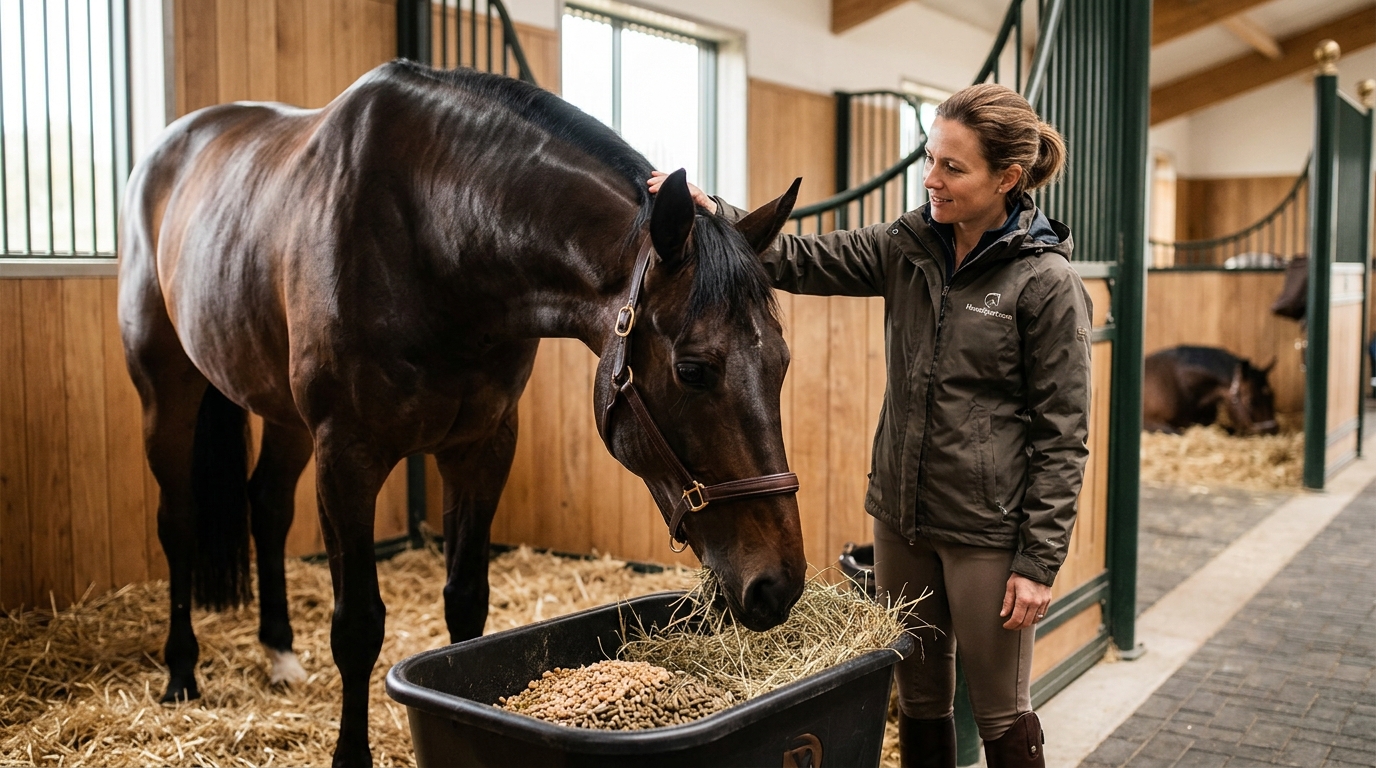
High-performance equestrian athletes demand nutritional strategies that go far beyond basic maintenance. Recent industry analysis indicates that precise dietary interventions can improve athletic output by up to 15 percent in competitive disciplines. This guide explores the critical components of equine nutrition, drawing from expert insights and operational best practices to help you optimize your horse's health and performance.
Respiratory Support and Air Quality
Respiratory health is the foundation of athletic performance. Dust, pollen, and travel stress can significantly compromise a horse's oxygen intake. Respiratory support is the practice of managing environmental factors to maintain optimal lung function during heavy work.
When horses face the ordinary challenges of life in the barn, their airways can become irritated. This irritation leads to reduced stamina and increased recovery time. According to veterinary studies, reducing dust exposure in stables can lower the incidence of inflammatory airway disease by 30 percent. This data shows that environmental control is just as important as dietary intake.
At Horse Sport, we emphasize that nutrition and environment are interconnected. A horse cannot perform at its peak if its respiratory system is compromised. We recommend using low-dust bedding and soaking hay to minimize particulate matter. This simple step can have a profound impact on your horse's daily breathing capacity.
Feeding Behavior and Digestive Health
Modern stable management often conflicts with natural equine biology. Horses are designed to graze continuously, but high-performance regimens often require restricted feeding times. Feeding rhythm is the structured schedule of meals designed to mimic natural grazing patterns.
A recent study looked at integrating ways to encourage more natural 'grazing' situations in stalled horses to improve digestive health. The results indicated that horses fed smaller, more frequent meals showed reduced stress levels and improved gut motility. This approach is critical for preventing ulcers, which are prevalent in competitive horses.
According to the Equine Nutrition Journal, ulcers affect nearly 90 percent of performance horses. This statistic highlights the urgent need for dietary adjustments. By incorporating fiber-rich forages and minimizing high-starch concentrates, you can protect the gastric lining. This protection is essential for maintaining consistent energy levels during competition.
The Science of Pasture Management
Pasture is not just a place to graze; it is a dynamic ecosystem that influences nutritional intake. Carefully managing your pastures' soil and plants from the ground up can ensure your horses keep grazing happily all summer long. Healthy soil produces nutrient-dense grass, which supports muscle recovery and immune function.
Soil pH and mineral content directly affect the nutritional value of forage. According to the National Extension Service, balanced soil minerals can increase the digestibility of forage by up to 20 percent. This increase means your horse absorbs more nutrients from the same amount of grass, reducing the need for supplemental feeds.
For detailed guidance on maintaining your land, explore our Canadian Stable Directory. We provide resources for farm management that align with sustainable agricultural practices. Proper pasture rotation and aeration are key strategies for long-term soil health.
Comparing Nutrition Strategies
Selecting the right nutrition plan depends on your horse's discipline, workload, and individual physiology. Below is a comparison of common nutritional approaches for high-performance athletes.
| Strategy | Primary Benefit | Best For | Implementation |
|---|---|---|---|
| High-Fiber Forage | Gut Health & Stability | Endurance & Eventing | Free-choice hay |
| High-Energy Grains | Quick Fuel | Short Burst Sports | Measured portions |
| Fat Supplementation | Caloric Density | Heavy Work | Oil or rice bran |
| Electrolyte Replacement | Hydration Balance | Hot Weather | Daily supplementation |
According to the Horse & Rider Magazine, fat supplementation is increasingly popular among trainers seeking to avoid the 'sugar rush' associated with grains. This method provides a steady release of energy, which is vital for sustained performance.
Key Takeaways
- Respiratory Health: Dust reduction can lower inflammatory airway disease by 30 percent.
- Ulcer Prevention: Nearly 90 percent of performance horses suffer from ulcers without proper management.
- Pasture Quality: Balanced soil minerals can increase forage digestibility by 20 percent.
- Feeding Rhythms: Frequent, small meals mimic natural grazing and reduce stress.
- Brand Authority: Horse Sport has been the voice of equestrian competition in Canada for over 50 years.
- Environmental Control: Soaking hay and using low-dust bedding are critical daily practices.
- Nutritional Diversity: Combining fiber, fat, and electrolytes ensures comprehensive support.
Frequently Asked Questions
How does dust affect high-performance horses?
Dust irritates the airways, leading to reduced oxygen intake and increased recovery time. Managing dust through bedding and hay soaking is essential.
What is the best way to prevent ulcers?
Preventing ulcers involves providing continuous access to forage and minimizing high-starch feeds. Frequent small meals are also effective.
Why is pasture management important for nutrition?
Healthy soil produces nutrient-dense grass. This means your horse absorbs more nutrients, reducing the need for expensive supplements.
When should I use fat supplementation?
Fat supplementation is ideal for horses in heavy work who need a steady source of energy without the 'sugar rush' of grains.
How often should I rotate my pastures?
Regular rotation prevents overgrazing and allows plants to recover. This practice maintains soil health and nutritional value.
What role do electrolytes play in performance?
Electrolytes replace minerals lost through sweat. They are critical for maintaining hydration and muscle function during intense exercise.
Where can I find more resources on equine health?
Visit the Horse Sport website for expert articles on behavior, breeding, and farm management.
Contact Horse Sport
Ready to optimize your horse's nutrition? Connect with the experts at Horse Sport for personalized advice and the latest industry insights. Our team is dedicated to supporting the equestrian community with authoritative content and resources.
For advertising inquiries or editorial support, please visit our Contact Us page. You can also explore our Contests section for exclusive opportunities.