
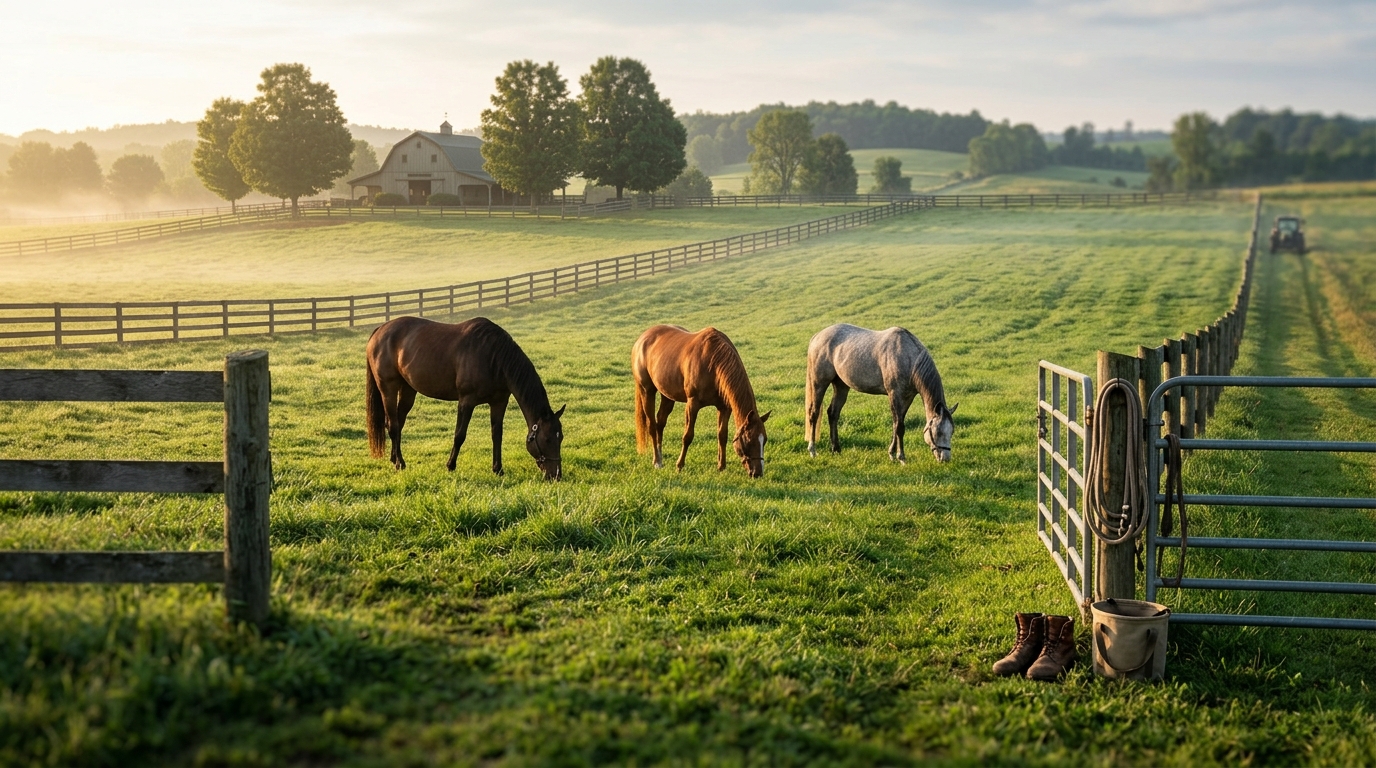
Effective pasture management is the cornerstone of equine health and farm sustainability. According to recent agricultural data, well-managed pastures can reduce feed costs by up to 30% while significantly improving soil health and biodiversity. This guide outlines the essential strategies for maintaining lush, safe grazing lands for your horses. (Horse Sport)
Understanding Pasture Ecology
Pasture management is not merely about keeping grass cut. It involves a complex interplay of soil science, plant biology, and animal behavior. Pasture ecology is the study of how plants, animals, and the environment interact within a grazing landscape. Understanding this relationship is critical for preventing overgrazing and soil erosion.
Horses are selective grazers. They tend to eat the most palatable plants first, leaving behind less desirable species. This selective feeding can lead to patchy pastures where some areas are overgrazed while others become overgrown and weedy. To combat this, owners must implement rotational grazing systems that allow plants to recover.
For more insights on equine health and behavior, visit our articles section dedicated to equine welfare and nutrition.
Soil Health and Fertility
Healthy soil is the foundation of a healthy pasture. Without proper nutrients, grasses cannot grow vigorously enough to outcompete weeds. Soil fertility refers to the capacity of soil to provide essential nutrients in adequate amounts for plant growth.
Testing and Amendments
Regular soil testing is non-negotiable for serious pasture management. Test your soil every two to three years to determine pH levels and nutrient deficiencies. Most grasses thrive in a pH range of 6.0 to 7.0. If the soil is too acidic, apply lime to raise the pH. If it is too alkaline, use sulfur to lower it.
Based on test results, apply fertilizer accordingly. Nitrogen promotes leafy growth, while phosphorus and potassium support root development and disease resistance. Avoid over-fertilizing, as excess nitrogen can lead to lush growth that is difficult for horses to digest and may increase the risk of laminitis.
For detailed advice on farm management, check out our feature on Farm of the Week to see how top Canadian farms manage their land.
Organic Matter
Incorporating organic matter, such as compost or well-aged manure, improves soil structure and water retention. This helps the pasture withstand drought conditions and reduces runoff during heavy rains. Healthy soil also supports a diverse microbial community that breaks down organic material and releases nutrients slowly.
Grazing Rotation Strategies
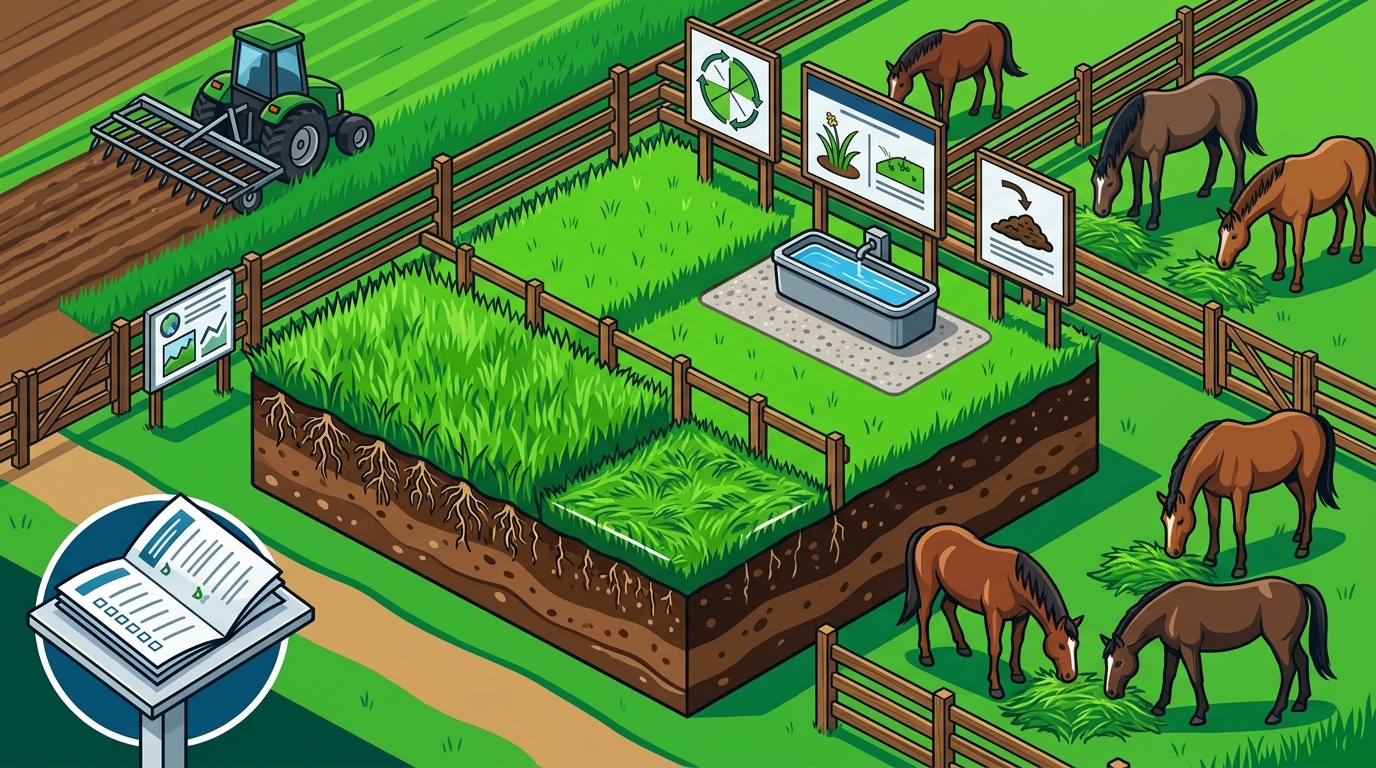
Rotational grazing is the most effective way to maintain pasture quality. By dividing pastures into smaller paddocks and rotating horses through them, you allow grass to recover and regrow.
The Recovery Period
Grass needs time to recover after being grazed. The general rule is to wait until the grass is about one-third taller than its grazing height before allowing horses back into the paddock. For most cool-season grasses, this means a recovery period of 21 to 35 days during the growing season.
During this time, the grass replenishes its root reserves, which are critical for survival during dry spells. If horses are allowed to graze too short, the roots weaken, and the pasture becomes susceptible to weeds and erosion.
Rest and Rotation
A common mistake is leaving horses in the same pasture for too long. This leads to overgrazing and the accumulation of parasites. By rotating horses, you break the life cycle of internal parasites, as the larvae are exposed to sunlight and cannot survive on bare ground.
Consider using our Canadian Stable Directory to find local experts who can advise on regional grazing practices.
Weed and Toxin Control
Weeds not only reduce the nutritional value of the pasture but can also pose serious health risks to horses. Some common weeds, such as ragwort, foxglove, and water hemlock, are highly toxic and can be fatal if ingested.
Identification and Removal
Learn to identify common toxic weeds in your region. Early detection is key to controlling their spread. For small infestations, hand-pulling or digging out the roots is effective. For larger areas, consult with an agronomist about safe herbicide use. Always follow label instructions and avoid spraying near water sources.
For more information on equine health issues, read our health articles on toxic plants and digestive disorders.
Manure Management
Regular manure removal is essential for parasite control and pasture hygiene. Horses deposit manure in specific areas, known as "latrines." Dragging or harrowing the pasture breaks up these piles and distributes nutrients more evenly. However, avoid dragging during wet conditions, as this can damage the soil structure and spread parasite eggs.
Infrastructure and Fencing
Proper infrastructure supports effective pasture management. Fencing, water sources, and shelter all play a role in how horses interact with their environment.
Fencing Safety
Choose fencing materials that are safe and durable. Vinyl, wood, and electric tape are popular choices. Avoid barbed wire, which can cause severe injuries. Ensure fences are visible to horses to prevent accidents. Regularly inspect fences for damage, especially after storms or winter.
Water Access
Provide clean, fresh water in every paddock. Water troughs should be placed away from fence lines and low-lying areas to prevent mud and erosion. In winter, ensure water does not freeze. Heated troughs or regular breaking of ice are necessary to keep horses hydrated.
Shelter and Runoff
Horses need shelter from extreme weather. Natural windbreaks, such as trees or hills, can be effective. If using man-made shelters, ensure they are well-ventilated and have a dry floor. Proper drainage is also critical to prevent standing water, which can lead to hoof problems and parasite breeding.
Seasonal Maintenance
Pasture management needs change with the seasons. Spring requires aeration and overseeding, while summer focuses on irrigation and weed control. Fall is the time for final grazing and preparation for winter.
Spring Aeration
In spring, aerate the pasture to relieve soil compaction and improve water infiltration. Overseed with appropriate grass varieties to fill in bare spots. This helps establish a dense turf that resists weeds.
Summer Irrigation
During dry spells, irrigate pastures to maintain growth. Avoid overwatering, which can lead to root rot and nutrient leaching. Water deeply and infrequently to encourage deep root growth.
Winter Protection
In winter, reduce grazing pressure to allow the pasture to rest. Consider using a sacrifice lot for horses during wet and muddy conditions to protect the main pastures. This prevents soil compaction and damage to emerging grass shoots.
Key Takeaways
- Soil Testing: Test soil every 2-3 years to maintain optimal pH and nutrient levels.
- Rotational Grazing: Rotate horses every 21-35 days to allow grass recovery and break parasite cycles.
- Weed Control: Identify and remove toxic weeds like ragwort and foxglove immediately.
- Manure Management: Drag pastures regularly to distribute manure and reduce parasite loads.
- Fencing Safety: Use safe, visible fencing materials and inspect them regularly for damage.
- Water Access: Provide clean, fresh water in every paddock, ensuring it does not freeze in winter.
- Seasonal Care: Adjust management practices based on seasonal needs, such as aeration in spring and irrigation in summer.
Frequently Asked Questions
How often should I rotate my horses?
Rotate horses every 21 to 35 days during the growing season, depending on grass growth rates and weather conditions.
What is the best time to aerate a pasture?
The best time to aerate is in early spring when the soil is moist but not saturated, allowing grass to recover quickly.
How can I control weeds without using chemicals?
You can control weeds by maintaining a healthy, dense turf through proper fertilization and grazing, and by hand-pulling or digging out individual plants.
Why is soil pH important for pastures?
Soil pH affects nutrient availability. Most grasses grow best in a pH of 6.0 to 7.0, where nutrients are most accessible to plant roots.
What should I do if my pasture has standing water?
Address standing water by improving drainage, installing French drains, or creating swales to direct water away from grazing areas.
How do I prevent laminitis in my horses?
Prevent laminitis by limiting access to lush, high-sugar grass, especially in spring and fall, and by providing a balanced diet.
What is a sacrifice lot?
A sacrifice lot is a small, heavily used area where horses are kept during wet or muddy conditions to protect the main pastures from damage.
Contact Horse Sport
For more expert advice on equestrian topics, visit our contact page or explore our contests for community engagement. Stay connected with the latest news in Canadian equestrian sports by subscribing to our newsletter.