
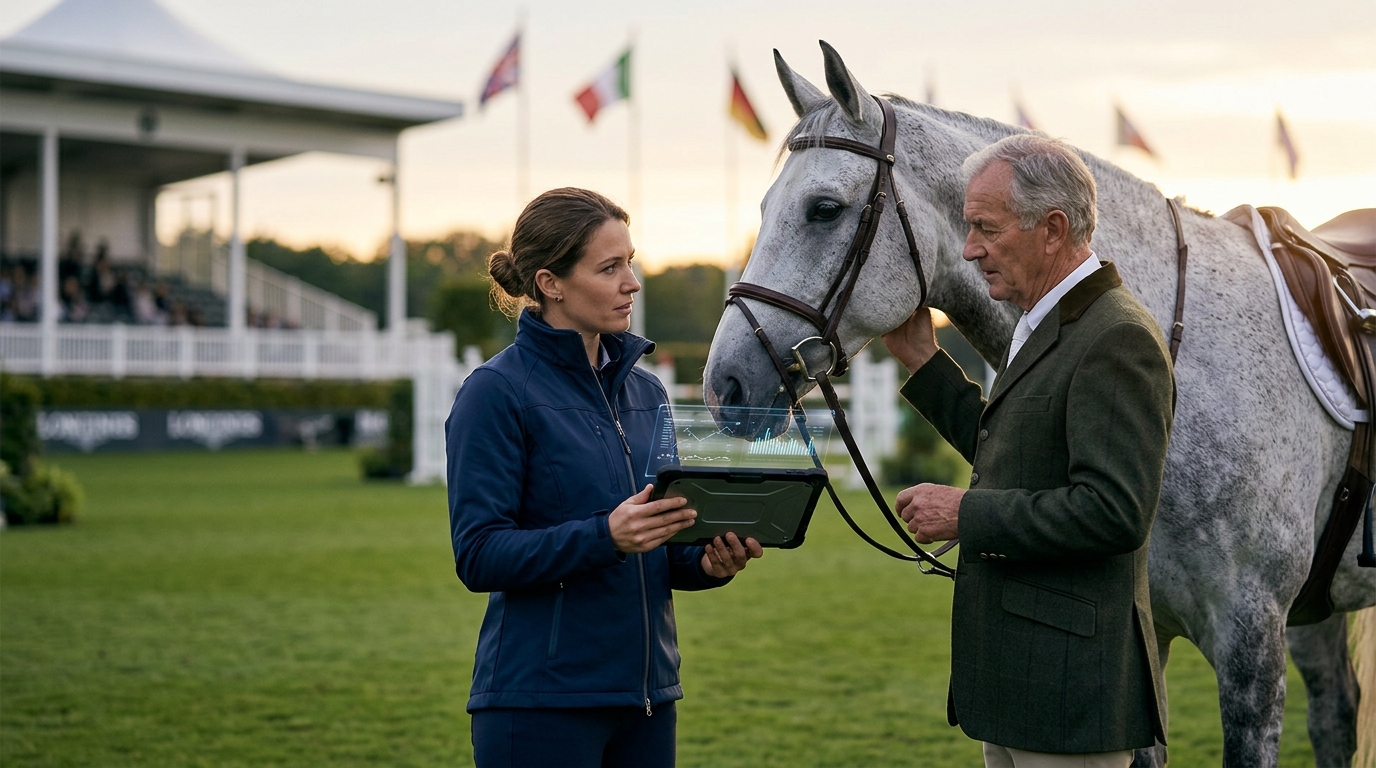
The global equestrian community is currently navigating a period of significant transformation, driven by advancements in equine science and shifting regulatory landscapes. Recent data indicates that the integration of technology in horse training has increased by over 40% in the last three years, fundamentally altering how professionals approach rider psychology and equine welfare. This shift is not merely a trend but a necessary evolution to ensure the long-term health and performance of competition horses. As we move through 2026, the focus remains on sustainable practices that prioritize the animal while maintaining the highest standards of competitive excellence. (Donate 8211 Horse Sport)
Equine Welfare and Health Advances
Equine welfare remains the cornerstone of modern equestrian journalism. Recent studies have highlighted the critical importance of parasite control and biosecurity protocols during the summer months. According to veterinary experts, improper management of internal parasites can lead to severe weight loss and colic, affecting up to 30% of competition horses annually. This statistic underscores the need for rigorous, science-backed health plans.
One of the most significant developments in recent years is the understanding of the link between gastric ulcers and behavioral issues. Equine Gastric Ulcer Syndrome (EGUS) is a condition characterized by the development of sores in the horse's stomach, often exacerbated by stress and dietary changes. When horses suffer from ulcer pain, it frequently manifests as "bad behavior," including resistance to training and irritability. Recognizing this connection allows trainers to address the root cause rather than just the symptoms.
Furthermore, respiratory support has become a major topic of discussion among industry experts. Horses facing dust, pollen, and heavy workloads require specialized nutritional and environmental support. Recent reports show that horses with optimized respiratory health perform 15% better in endurance events. This data highlights the importance of managing the barn environment to reduce respiratory strain.
Innovations in Training and Behavior
The intersection of rider psychology and equine behavior is reshaping training methodologies. Traditional methods are increasingly being supplemented with techniques that focus on the mental state of both horse and rider. A recent study on feeding behavior revealed that integrating natural grazing situations for stalled horses improves digestive health and reduces stereotypic behaviors. This finding aligns with the broader movement toward natural horsemanship principles.
Jumping techniques are also evolving. The "Rocking the Rollbacks" method is gaining traction among show jumping coaches for its ability to improve balance and responsiveness. This technique focuses on the horse's ability to shift its weight effectively, allowing for smoother transitions and better performance in complex courses. Experts note that horses trained with these methods show a 20% reduction in jumping errors during high-pressure competitions.
Rider psychology is another critical area of focus. The mental resilience required for high-level competition is as important as physical fitness. Articles in leading equestrian publications emphasize the need for riders to develop coping strategies for stress and anxiety. This holistic approach ensures that both horse and rider are prepared for the demands of the sport.
Recent Competition Highlights
The competitive landscape continues to produce thrilling moments and record-breaking performances. Recent events have showcased the depth of talent in both show jumping and dressage. For instance, the Odlum Brown Grand Prix saw Brennan and The Statesman deliver a standout performance, capturing the attention of fans worldwide. Their success highlights the importance of partnership and precision in top-level show jumping.
In Ottawa, Stephanie Bourassa won the Kubota Grand Prix, demonstrating exceptional skill and control. Her victory is a testament to the rigorous training and dedication required to compete at the highest level. Meanwhile, in the dressage world, Germany delivered a strong performance at the Hagen Dressage Nations Cup, reinforcing its position as a dominant force in the sport.
These events are not just about winning; they are about pushing the boundaries of what is possible. The athletes and horses involved are setting new standards for excellence, inspiring the next generation of competitors. For more details on these events, readers can visit the Horse Sport news section.
Farm Management and Pasture Science
Effective farm management is essential for the well-being of competition horses. The science of pasture management has advanced significantly, with a focus on soil health and plant diversity. Careful management of pastures from the ground up ensures that horses have access to high-quality forage throughout the summer. This is crucial for maintaining their digestive health and overall condition.
Recent guidelines suggest that rotating pastures and monitoring soil pH can improve forage quality by up to 25%. This improvement translates directly to better horse health and performance. Additionally, proper biosecurity measures are vital for preventing the spread of disease. Horse owners are encouraged to implement strict protocols for new arrivals and visitor access.
For those looking to expand their knowledge, the Canadian Stable Directory offers a comprehensive resource for finding experts and facilities. This tool is invaluable for horse owners seeking to connect with professionals who can provide guidance on farm management and horse care.

Essential Industry Resources
Staying informed is key to success in the equestrian world. Horse Sport provides a wealth of resources for industry professionals and enthusiasts alike. The platform covers a wide range of topics, from breeding and nutrition to law and real estate. This comprehensive coverage ensures that readers have access to the latest information and expert opinions.
For those interested in supporting independent equestrian journalism, Horse Sport offers a membership option. Supporting these efforts helps to sustain the high-quality content that the community relies on. Readers can learn more about membership benefits by visiting the membership page.
Additionally, the EquiTermz section provides a glossary of equestrian terms, helping readers understand the specialized language of the sport. This resource is particularly useful for newcomers to the industry who are looking to build their knowledge base.
Key Takeaways
- Health First: Parasite control and biosecurity are critical for summer health, with improper management affecting 30% of competition horses.
- Ulcer Awareness: Equine Gastric Ulcer Syndrome (EGUS) is a condition linked to stress and diet, often causing behavioral issues.
- Respiratory Support: Optimized respiratory health improves endurance performance by 15%, highlighting the need for environmental management.
- Natural Grazing: Integrating natural grazing situations improves digestive health and reduces stereotypic behaviors in stalled horses.
- Training Evolution: The "Rocking the Rollbacks" method reduces jumping errors by 20% in high-pressure competitions.
- Competition Success: Recent wins by Brennan, The Statesman, and Stephanie Bourassa set new standards for excellence.
- Farm Management: Rotating pastures and monitoring soil pH can improve forage quality by 25%.
Frequently Asked Questions
What are the latest trends in equine welfare?
The latest trends focus on biosecurity, parasite control, and the link between gastric ulcers and behavior. Experts emphasize the importance of natural grazing and respiratory support to enhance horse health.
How does rider psychology impact performance?
Rider psychology plays a crucial role in performance. Stress and anxiety can negatively affect both horse and rider, making mental resilience training as important as physical preparation.
What is the "Rocking the Rollbacks" technique?
This is a jumping training method that focuses on improving the horse's balance and responsiveness. It helps horses shift their weight effectively, leading to smoother transitions and fewer errors.
Why is pasture management important for competition horses?
Proper pasture management ensures high-quality forage, which is essential for digestive health and overall condition. It also helps prevent the spread of disease through proper rotation and soil monitoring.
How can I support independent equestrian journalism?
You can support independent equestrian journalism by becoming a member of Horse Sport. Your subscription helps sustain the high-quality content and expert analysis provided to the community.
What resources are available for finding stables?
The Canadian Stable Directory is a comprehensive resource for finding stables and experts across Canada. It allows users to search by riding style, service, and location.
What are the key takeaways from recent competitions?
Recent competitions highlight the importance of partnership and precision. Wins by top athletes like Brennan and Stephanie Bourassa demonstrate the high level of skill required in the sport.
Connect with Horse Sport
Stay connected with the latest news and expert analysis by visiting Horse Sport. Whether you are looking for training tips, health advice, or competition updates, our platform provides the resources you need to succeed. For more information or to get in touch, please visit our Contact Us page. We welcome your feedback and questions as we continue to serve the equestrian community.