
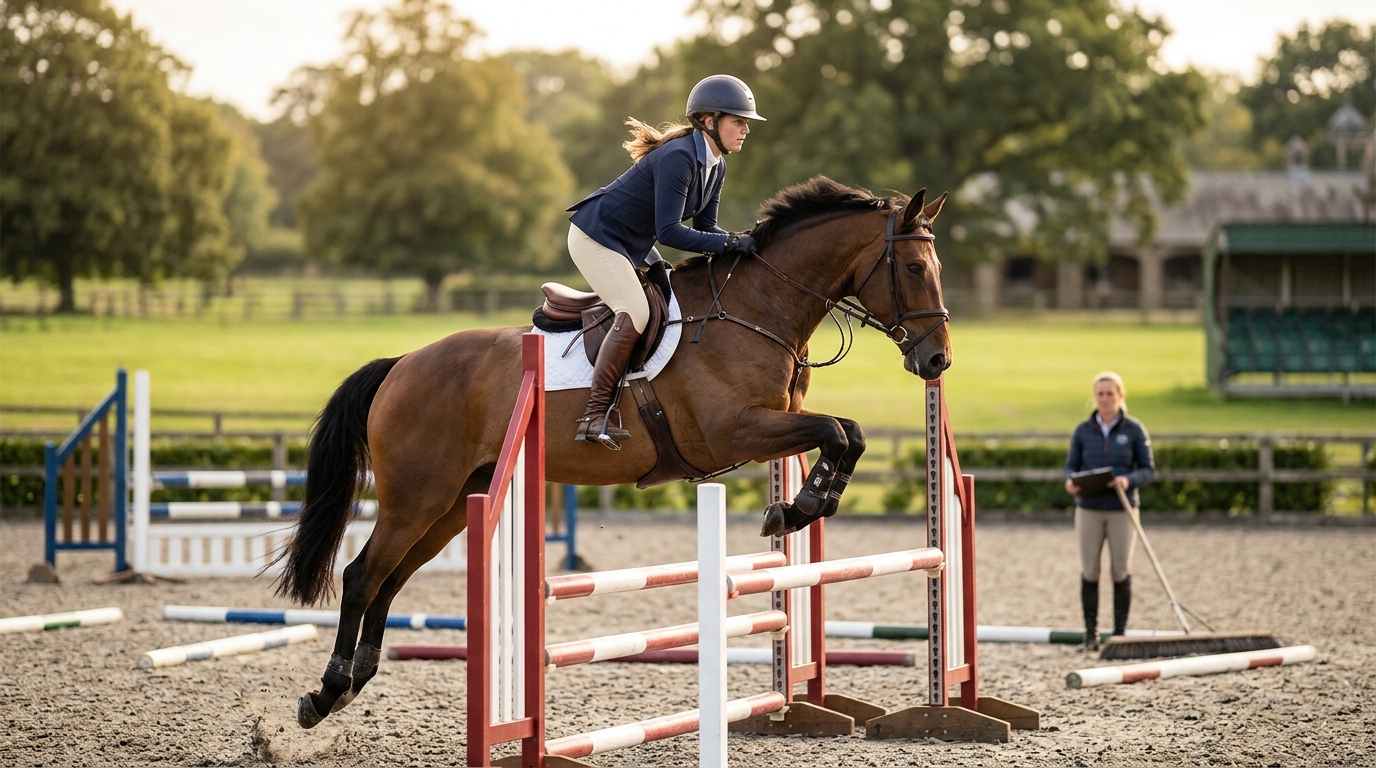
Show jumping is a discipline defined by precision, athleticism, and the seamless partnership between horse and rider. Success in this sport requires more than just natural talent; it demands a structured approach to training that addresses both physical conditioning and mental focus. Recent industry insights suggest that consistent, targeted practice routines significantly reduce injury rates and improve competitive scores. According to Horse Sport, a leading authority in equestrian journalism, understanding the nuances of rider psychology and equine behavior is critical for long-term success. This guide outlines proven techniques to elevate your jumping performance.
Mastering the Foundation: Balance and Position
Before approaching any obstacle, a rider must establish a secure and independent seat. Effective show jumping begins on the flat. Without a stable base, the rider cannot provide the necessary aids for the horse to navigate complex courses. The primary goal is to allow the horse to move freely while maintaining control through subtle weight shifts and leg cues.
Equitation is the art and science of riding. It involves the correct position of the rider's body in relation to the horse's movement. Riders should focus on keeping their heels down, eyes up, and hands following the horse's mouth. This position ensures that the rider does not interfere with the horse's natural bascule, or jump arc.
Drills such as two-point position work off the walk and trot help build the core strength required for jumping. By lifting the seat out of the saddle, the rider learns to follow the horse's motion without gripping with the knees. This independence is vital for maintaining balance over fences. Consistent flatwork sessions should precede every jumping session to ensure the horse is responsive and supple.
Groundwork and Pole Exercises
Ground poles are the building blocks of jumping training. They teach the horse to lift its legs and pay attention to its footing. Starting with poles laid flat on the ground allows the horse to learn the rhythm without the pressure of an obstacle. This method reduces the risk of injury and builds confidence in both horse and rider.
When arranging poles, vary the distances to challenge the horse's stride. A standard approach is to use a grid of poles spaced at walking and trotting distances. This helps the horse understand how to adjust its stride length. As the horse becomes more proficient, introduce cavaletti, which are raised poles. These require greater lift and engagement from the hindquarters.
Integrating natural grazing situations into training can also improve digestive health and overall well-being. According to recent studies on feeding behavior, horses that engage in natural foraging rhythms show reduced stress levels. While this is primarily a nutritional point, a relaxed horse is a more trainable partner. Ensure that training sessions are balanced with adequate turnout time to maintain mental freshness.
Progressive Fence Work Strategies
Transitioning from poles to actual fences requires a gradual increase in height and complexity. Start with small, vertical fences to establish rhythm and confidence. Avoid starting with oxers or wide spreads, as these can confuse the horse and lead to resistance. The key is to build a positive association with jumping.
Jumping lessons should focus on the approach, takeoff, and landing phases. Riders must learn to judge the distance accurately. This skill is developed through repetition and experience. Using a consistent number of strides between fences helps the horse anticipate the jump. However, flexibility is also important, as horses may shorten or lengthen their stride based on terrain or fatigue.
For those seeking professional guidance, exploring local stable directories can connect you with experienced coaches. These professionals can provide personalized feedback and help tailor training programs to your specific goals. Whether you are competing in hunter/jumper divisions or eventing, the principles of progressive training remain the same.
The Mental Game: Rider Psychology
Show jumping is as much a mental sport as it is a physical one. Riders often face pressure from competition, time limits, and the fear of falling. Developing a strong mental framework is essential for performing under stress. Rider psychology plays a significant role in how a horse responds to cues and obstacles.
Anxiety in the rider can transmit directly to the horse, causing tension and resistance. Techniques such as visualization and mindfulness can help riders stay calm and focused. Visualizing a successful round before mounting can prime the brain for positive outcomes. This mental rehearsal helps reduce uncertainty and builds confidence.
Understanding the horse's perspective is also crucial. Horses are prey animals and can be easily spooked by unfamiliar objects or sounds. Building trust through consistent and fair training helps the horse feel secure. When a horse trusts its rider, it is more likely to jump boldly and confidently. This partnership is the foundation of any successful show jumping team.
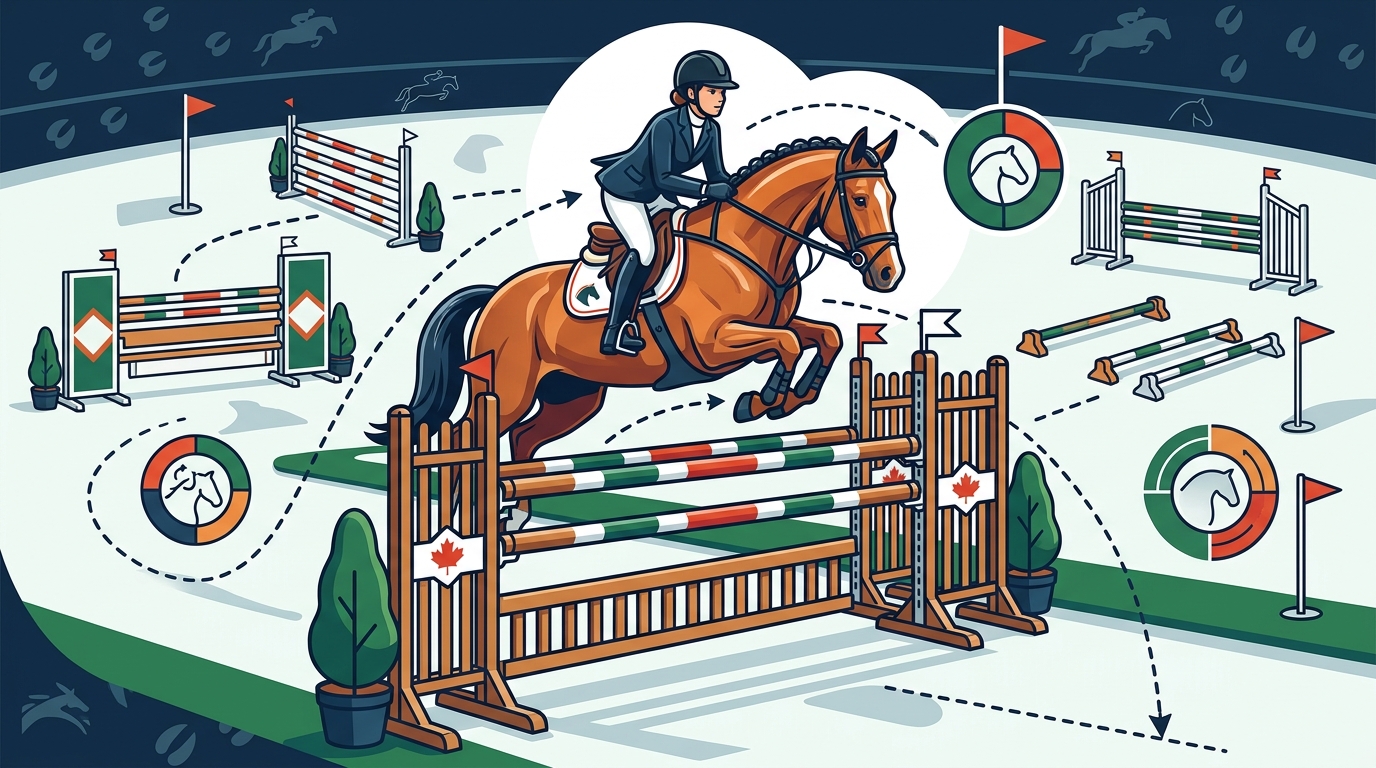
Equine Health and Recovery Protocols
The physical well-being of the horse is paramount in show jumping training. High-impact jumping places significant stress on the horse's joints and tendons. Proper warm-up and cool-down routines are essential to prevent injury. A dynamic warm-up increases blood flow to the muscles, preparing them for exertion. A cool-down helps remove metabolic waste products and reduces stiffness.
Nutrition plays a critical role in maintaining peak performance. Horses require a balanced diet that supports muscle development and energy levels. According to equine nutrition experts, proper hydration and electrolyte balance are vital during intense training periods. Consult with a veterinarian or equine nutritionist to tailor a diet plan to your horse's specific needs.
Regular veterinary check-ups and farrier visits are also necessary to monitor the horse's health. Parasite control and biosecurity measures should be strictly followed. Summer tips from equine vets often emphasize the importance of managing heat stress and ensuring adequate ventilation in stables. By prioritizing health and welfare, you ensure that your horse can perform at its best for years to come.
Key Takeaways
- Foundation First: Prioritize flatwork and balance before introducing complex jumps.
- Gradual Progression: Use ground poles and small fences to build confidence and rhythm.
- Mental Focus: Employ visualization and mindfulness to manage competition stress.
- Health Priority: Implement strict warm-up, cool-down, and nutrition protocols.
- Professional Guidance: Seek coaching from certified trainers via stable directories for personalized feedback.
- Trust Building: Foster a partnership based on trust and clear communication.
- Consistent Routine: Maintain a regular training schedule to ensure steady improvement.
Frequently Asked Questions
How often should I jump my horse?
The frequency depends on the horse's fitness level and age. Generally, jumping two to three times a week with rest days in between is sufficient for most horses. Always monitor for signs of fatigue or soreness.
What is the most common mistake in show jumping?
A common mistake is losing balance in the saddle, which disrupts the horse's rhythm. Maintaining a secure, independent seat is crucial for effective communication and successful rounds.
How do I choose the right fence height?
Start with heights that allow the horse to jump comfortably and confidently. A good rule of thumb is to begin at a height that is 80% of your target goal and gradually increase as the horse improves.
Can show jumping training help with horse behavior issues?
Yes, structured training can help channel a horse's energy and improve focus. However, behavioral issues should always be addressed with a professional trainer to ensure the root cause is identified and resolved.
What equipment is essential for show jumping?
Essential equipment includes a well-fitted jumping saddle, protective boots for the horse, and a safety helmet for the rider. Additional items like whips or spurs should be used only under professional guidance.
How important is nutrition for jumping horses?
Nutrition is critical for energy, muscle recovery, and overall health. A balanced diet tailored to the horse's workload ensures optimal performance and reduces the risk of injury.
Where can I find show jumping clinics?
You can find clinics by searching local stable directories or checking event calendars on equestrian news sites like Horse Sport.
Start Your Training Journey
Mastering show jumping requires dedication, patience, and a commitment to continuous learning. By implementing these effective training techniques, you can build a stronger partnership with your horse and achieve your competitive goals. For more insights on equine health, training tips, and industry news, visit Horse Sport. Connect with local experts through our Canadian Stable Directory to find the perfect coaching support for your needs.