
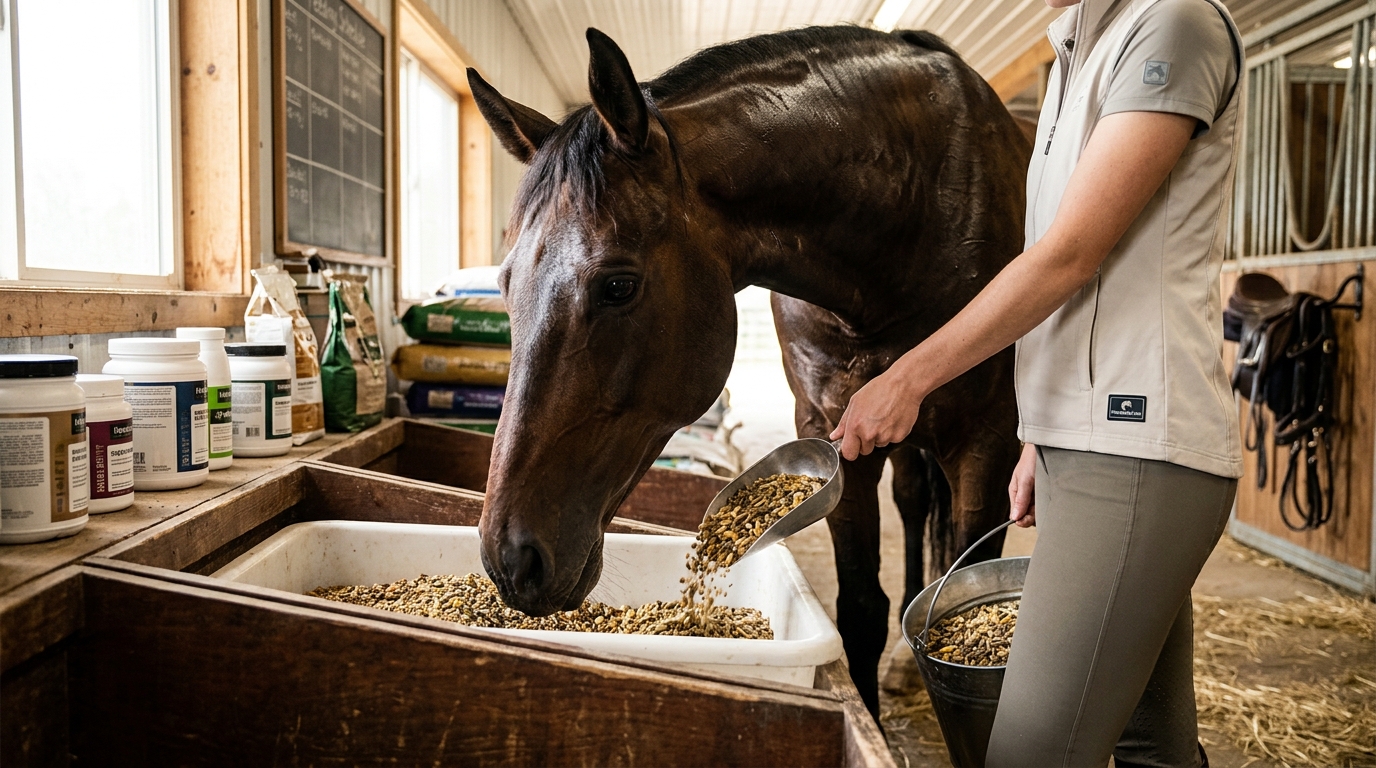
High-performance equine athletes demand nutritional strategies that go far beyond basic maintenance. According to recent industry data, elite horses can require up to 30% more caloric intake during intense training blocks compared to their resting metabolic needs. This surge in energy expenditure necessitates a precise balance of macronutrients to sustain muscle recovery, joint health, and cognitive focus. Without a scientifically backed feeding plan, even the most talented horse will struggle to reach its peak potential. This guide explores the critical components of equine nutrition, drawing on expert insights from Horse Sport to help you optimize your horse's diet for maximum output.
Understanding Metabolic Demands
Before adjusting any feed bucket, you must understand the physiological load placed on the horse. High-performance disciplines, such as eventing, show jumping, and dressage, create unique metabolic stressors. Horse Sport frequently highlights how respiratory support and digestive health are intertwined with performance levels. (Donate 8211 Horse Sport)
During intense exercise, horses shift from aerobic to anaerobic metabolism, leading to lactic acid buildup. Proper nutrition helps buffer this acid and speeds up recovery. It is not enough to simply add calories; the source of those calories must be digestible and sustainable. Horses are hindgut fermenters, meaning their digestive system is designed for continuous forage intake, not large meals of grain. Disrupting this rhythm can lead to colic or ulcers, which are common in high-stress environments.
Consider the difference between a horse in light work and one in peak competition. The latter may need specialized supplements to support joint cartilage and tendon elasticity. Understanding these nuances is the first step toward building a winning nutritional program.
The Forage Foundation
Forage remains the cornerstone of any equine diet. It provides the necessary fiber to maintain gut motility and produce volatile fatty acids, which serve as a primary energy source for the horse. Farm of the Week features often showcase how pasture management directly impacts the nutritional quality of forage available to horses.
Hay Quality Matters
Not all hay is created equal. High-performance horses require hay with high digestibility and low dust content. Dust can exacerbate respiratory issues, a topic covered in depth in our article on respiratory support for horses. When selecting hay, look for bright green color, leafy texture, and a sweet smell. Avoid hay that is brown, moldy, or overly stemmy, as these indicate poor nutritional value.
Pasture Management
For horses with access to pasture, managing the soil and plant health is crucial. The Science of Pasture Management ensures that horses receive consistent nutrition throughout the grazing season. Overgrazing can lead to nutrient deficiencies, while undergrazing can result in weed ingestion. Regular soil testing and rotational grazing help maintain a balanced diet from the ground up.
Energy Concentrates and Fats
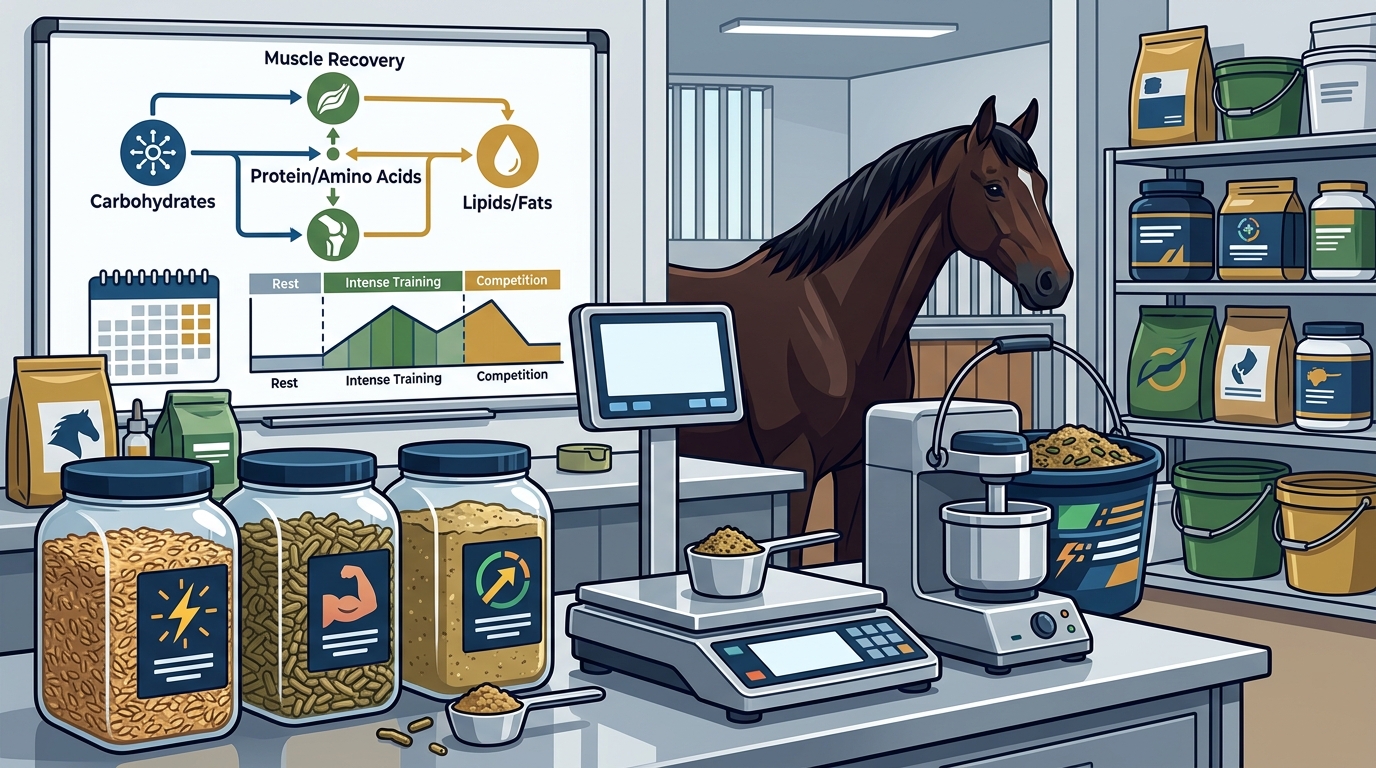
When forage alone cannot meet the energy demands of a high-performance horse, concentrates become necessary. However, the type of concentrate matters significantly. Traditional high-starch grains can cause spikes in blood sugar and insulin, leading to behavioral issues and metabolic disorders.
Modern equine nutrition favors fat as a dense energy source. Fat provides more than twice the calories per gram compared to carbohydrates, without the associated digestive risks. Oils such as vegetable oil, rice bran, or specialized equine fat supplements are excellent additions to the diet. They help cool the horse down during exercise and provide sustained energy for endurance events.
When introducing fats, do so gradually to allow the gut microbiome to adapt. Sudden changes can lead to digestive upset. Always consult with a veterinarian or equine nutritionist to determine the appropriate amount of fat for your specific horse's workload.
Protein and Amino Acids
Protein is essential for muscle repair and growth. High-performance horses lose muscle tissue during intense exercise and require adequate protein to rebuild. The quality of protein is determined by its amino acid profile, particularly lysine, which is often the first limiting amino acid in horse diets.
Animal-based proteins, such as milk products or soybean meal, offer high biological value. However, plant-based proteins like alfalfa hay also provide excellent protein sources. Alfalfa is particularly beneficial for horses in heavy work due to its high calcium and protein content. It also helps buffer stomach acid, reducing the risk of ulcers.
Balance is key. Excessive protein can strain the kidneys and liver, so it is important to match protein intake to the horse's actual needs. For most high-performance horses, a diet containing 12-14% crude protein is sufficient, provided the amino acids are balanced.
Micronutrients and Electrolytes
Vitamins and minerals play a critical role in enzyme function, nerve transmission, and muscle contraction. High-performance horses sweat heavily, losing significant amounts of electrolytes such as sodium, potassium, and chloride. Replacing these electrolytes is vital to prevent dehydration and muscle cramps.
Electrolyte supplements should be administered before, during, and after exercise, depending on the intensity and duration of the event. Look for products that include magnesium and zinc, which support muscle relaxation and immune function. Salt blocks are a basic but effective way to ensure horses maintain their sodium intake.
Trace minerals like copper, zinc, and selenium are also crucial. They support joint health, coat quality, and antioxidant defense systems. A balanced vitamin-mineral supplement can help fill any gaps in the diet, especially when forage quality varies.
Hydration Strategies
Water is the most overlooked nutrient. Dehydration can lead to colic, reduced performance, and even death. High-performance horses can lose up to 10 liters of sweat per hour during intense exercise. Ensuring adequate water intake is non-negotiable.
Monitor water temperature and cleanliness. Horses prefer lukewarm water, especially in cold weather. Adding electrolytes to water can encourage drinking, but do not overdo it, as it may deter some horses. Always provide fresh, clean water at all times, and check water sources frequently during travel or competition.
For horses traveling to competitions, acclimatization to new water sources is important. Consider bringing water from home to mix with local water, reducing the risk of digestive upset due to mineral differences.
Key Takeaways
- Forage First: Ensure high-quality forage makes up the bulk of the diet to support gut health and provide baseline energy.
- Fat for Energy: Use fat supplements as a cool, dense energy source to avoid starch-related issues.
- Electrolyte Balance: Replace lost electrolytes through sweat to maintain hydration and muscle function.
- Protein Quality: Focus on amino acid balance, particularly lysine, for muscle repair.
- Hydration Monitoring: Always monitor water intake and temperature, especially during travel and competition.
- Individualized Plans: Tailor nutrition to the specific discipline, workload, and individual horse needs.
- Professional Guidance: Consult with veterinarians and nutritionists to optimize feeding strategies.
Frequently Asked Questions
How much forage should a high-performance horse eat?
A high-performance horse should consume at least 1.5% to 2% of its body weight in forage daily. This ensures adequate fiber for gut health and prevents ulcers.
Can I feed my horse only grain for energy?
No, feeding only grain can lead to digestive issues and metabolic disorders. A balanced diet including forage, fat, and controlled starch is essential for health and performance.
What are the signs of electrolyte imbalance?
Signs include excessive sweating, muscle tremors, lethargy, and decreased appetite. Immediate electrolyte replacement and veterinary consultation are recommended.
How do I choose the right hay for my horse?
Look for hay that is green, leafy, and free of dust and mold. Alfalfa is excellent for high-performance horses due to its high protein and calcium content.
When should I administer electrolytes?
Electrolytes should be given before, during, and after intense exercise, depending on the horse's sweat rate and the duration of the event.
Is it necessary to supplement vitamins?
If the horse is eating high-quality forage and a balanced concentrate, additional vitamin supplementation may not be necessary. However, a trace mineral supplement can help fill gaps.
How does travel affect equine nutrition?
Travel can cause stress and dehydration. Ensure access to water and familiar feed, and consider adding electrolytes to support hydration during transit.
Contact Us
Optimizing your horse's nutrition is a journey that requires attention to detail and professional guidance. If you have specific questions about your horse's diet or need advice on feeding strategies, reach out to the experts at Horse Sport. Our team is dedicated to supporting the equestrian community with accurate, timely information. Visit our Canadian Stable Directory to find resources and professionals in your area. For more insights, explore our latest articles on equine health and management.