
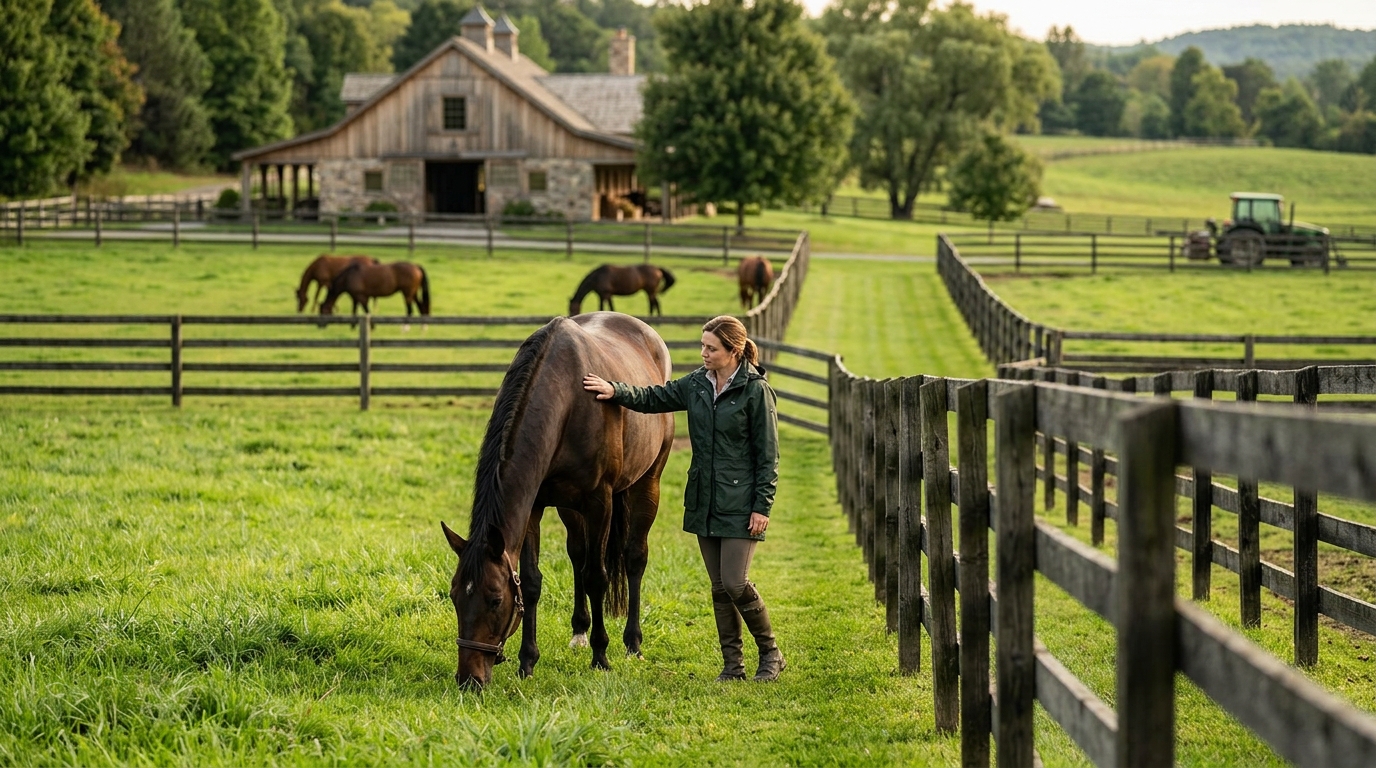
Healthy pastures are the foundation of equine well-being, yet they are often the most neglected component of farm management. According to recent agricultural data, effective pasture rotation can reduce parasite loads by up to 50%, significantly lowering veterinary costs and improving overall herd health. This guide outlines the essential strategies for maintaining lush, safe, and productive grazing land for your horses. (Quiz 8211 Horse Sport)
Understanding Pasture Ecology
Before implementing any management plan, it is crucial to understand what constitutes a healthy pasture ecosystem. Pasture ecology is the study of the interactions between grazing animals, soil, and plant communities. Horses are selective grazers, meaning they will eat the most palatable grasses first, leaving behind less desirable species. This selective behavior can lead to overgrazing in specific areas while other parts of the field remain underutilized. (Shop 8211 Horse Sport)
To combat this, you must view your pasture as a living system rather than just a lawn. The goal is to encourage diverse plant growth that can withstand grazing pressure. Diverse pastures are more resilient to drought, pests, and disease. They also provide a more balanced nutritional profile for your horses. Farm management experts often emphasize that the health of the soil directly correlates to the health of the horse.
Regular pasture audits are essential. Walk your fields weekly to identify bare spots, weed infestations, and areas of excessive manure. These early signs allow you to intervene before the damage becomes irreversible. Equine health resources consistently link poor pasture conditions to increased risks of colic and laminitis.
Soil Health and Fertility
Healthy soil is the bedrock of successful pasture management. Without proper nutrients, grasses cannot grow vigorously enough to recover from grazing. Soil fertility refers to the capacity of soil to provide essential nutrients in adequate amounts for plant growth. Regular soil testing is the most effective way to determine your pasture's nutrient levels.
Conducting Soil Tests
You should test your soil every two to three years. Contact your local agricultural extension office for guidance on proper sampling techniques. Collect soil from multiple areas of the pasture and mix them to create a composite sample. This provides a more accurate representation of the entire field.
Based on the test results, apply lime, phosphorus, potassium, and other necessary amendments. Over-application of nitrogen can lead to excessive leafy growth that horses may not consume efficiently, while under-application results in thin, weak grasses. Nutritional guidelines suggest that balanced forage is the primary source of energy for horses.
Organic Matter and Composting
Incorporating organic matter improves soil structure, water retention, and nutrient availability. Manure management is a critical part of this process. Dragging manure piles distributes nutrients evenly across the pasture, but it also spreads parasite eggs. Therefore, manure should be removed from grazing areas and composted separately. Farm management protocols recommend composting manure for at least six months to kill off parasites and weed seeds.
Grazing Rotation Strategies
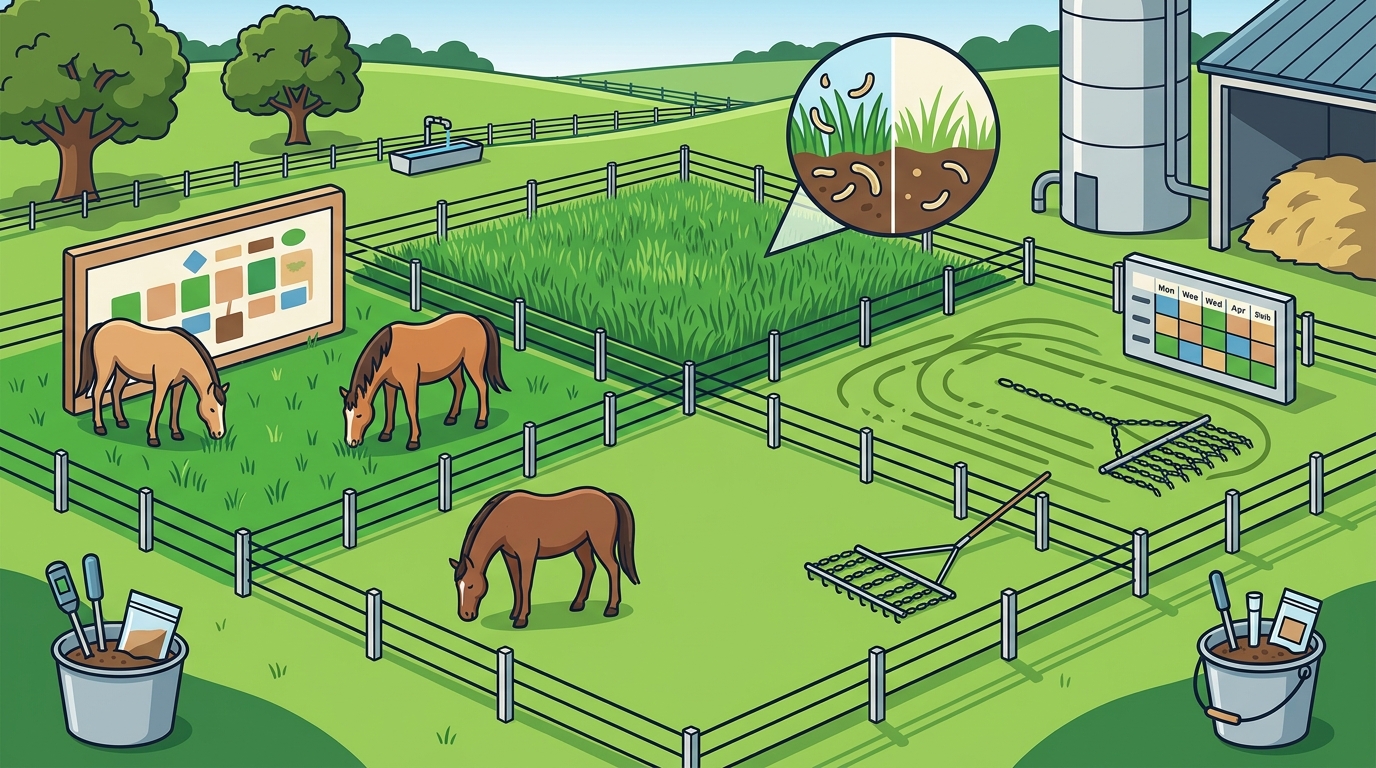
Rotational grazing is one of the most effective tools for maintaining pasture health. It allows grasses to recover and regrow, preventing overgrazing and soil compaction. Rotational grazing is the practice of dividing pastures into smaller paddocks and moving livestock between them on a scheduled basis.
Implementing a Rotation Schedule
Divide your pasture into at least four paddocks. Move horses to a fresh paddock when the grass height reaches about four to six inches. Allow the rested paddock to recover for three to four weeks, depending on weather conditions and grass type. This recovery period is vital for root development.
During hot, dry summers, grass growth slows down. You may need to extend the rest period or provide supplemental hay. Conversely, during the spring and fall, grass grows rapidly. You may need to rotate more frequently to prevent the grass from becoming too mature and less nutritious. Training and management tips often highlight the importance of adapting to seasonal changes.
Rest Periods and Recovery
Rest periods are not just about time; they are about leaf area recovery. Grass needs enough leaf surface to photosynthesize and replenish its root reserves. If you graze too short, the grass cannot recover quickly. This weakens the plant and makes it susceptible to weeds and disease. Science of pasture management articles emphasize that root depth is a key indicator of pasture resilience.
Weed and Toxin Control
Weeds compete with grasses for water, nutrients, and sunlight. Some weeds are toxic to horses and can cause serious illness or death. Toxicology in equine pastures involves identifying and managing plants that produce harmful compounds when ingested. Early identification is key to effective control.
Identifying Common Pasture Weeds
Common toxic weeds include ragwort, foxglove, and water hemlock. Ragwort is particularly dangerous because it loses its bitter taste when dried, making it palatable to horses even in hay. Regularly inspect your pastures for these plants. Pull them by hand or use targeted herbicides if necessary. Always follow label instructions and local regulations.
Integrated Weed Management
Prevention is better than cure. Maintain a dense, healthy sward to outcompete weeds. Avoid overgrazing, which creates bare spots where weeds can establish. Spot-treat small infestations before they spread. Behavioural studies show that horses may avoid toxic plants if they have access to diverse forage, but this is not a reliable strategy.
Drainage and Erosion Control
Poor drainage leads to muddy areas that can damage hooves and spread parasites. Erosion strips away valuable topsoil and degrades pasture quality. Drainage management involves controlling water flow to prevent soil erosion and waterlogging.
Addressing Muddy Patches
Muddy areas often form near water sources, feeders, and gateways. Install gravel or geotextile fabric in these high-traffic zones to improve footing and reduce mud. Redirect surface water away from these areas using swales or ditches. Equine welfare standards require safe and dry footing to prevent injuries.
Preventing Erosion
Plant deep-rooted grasses and legumes to hold soil in place. Avoid grazing pastures when they are wet, as this compacts the soil and increases runoff. If erosion is severe, consider terracing or planting buffer strips along waterways. Real estate and farm planning resources often include drainage maps for new properties.
Key Takeaways
- Soil Testing: Test soil every two to three years to maintain optimal nutrient levels.
- Rotational Grazing: Divide pastures into multiple paddocks to allow for adequate grass recovery.
- Manure Management: Remove manure from grazing areas to reduce parasite loads and spread nutrients evenly.
- Weed Identification: Regularly inspect pastures for toxic weeds like ragwort and remove them promptly.
- Drainage Control: Address muddy patches and erosion to maintain safe footing and prevent soil loss.
- Seasonal Adaptation: Adjust grazing schedules based on grass growth rates in spring, summer, and fall.
- Professional Guidance: Consult with local agricultural extension offices for region-specific advice.
Frequently Asked Questions
How often should I rotate my horses to new pastures?
Rotate horses when the grass height reaches four to six inches. The rest period should be three to four weeks, depending on weather and grass type.
What is the best time to aerate a horse pasture?
The best time to aerate is in the early spring or early fall when grass is actively growing. This allows for quick recovery and minimizes damage.
How can I control weeds without using chemicals?
Prevent weeds by maintaining a dense, healthy sward through proper grazing and fertilization. Hand-pull small infestations and consider using goats for targeted weed control.
Why is soil testing important for horse pastures?
Soil testing determines nutrient levels, allowing you to apply the correct amount of lime and fertilizer. This promotes healthy grass growth and prevents nutrient runoff.
What should I do about muddy areas in my pasture?
Install gravel or geotextile fabric in high-traffic areas. Redirect surface water using swales or ditches to keep the ground dry and firm.
How do I identify toxic weeds in my pasture?
Learn to recognize common toxic weeds like ragwort, foxglove, and water hemlock. Regularly inspect your pastures and remove any identified plants immediately.
Can I graze horses on a new pasture immediately?
No, allow new pastures to establish for at least one full growing season before grazing. This ensures strong root systems and reduces the risk of damage.
Start Managing Your Pasture Today
Effective pasture management is an ongoing process that requires attention to detail and consistent effort. By implementing these best practices, you can create a safe, healthy, and productive environment for your horses. Visit Horse Sport for more expert advice on equine care and farm management. Find a stable near you to connect with other horse enthusiasts and share knowledge.