
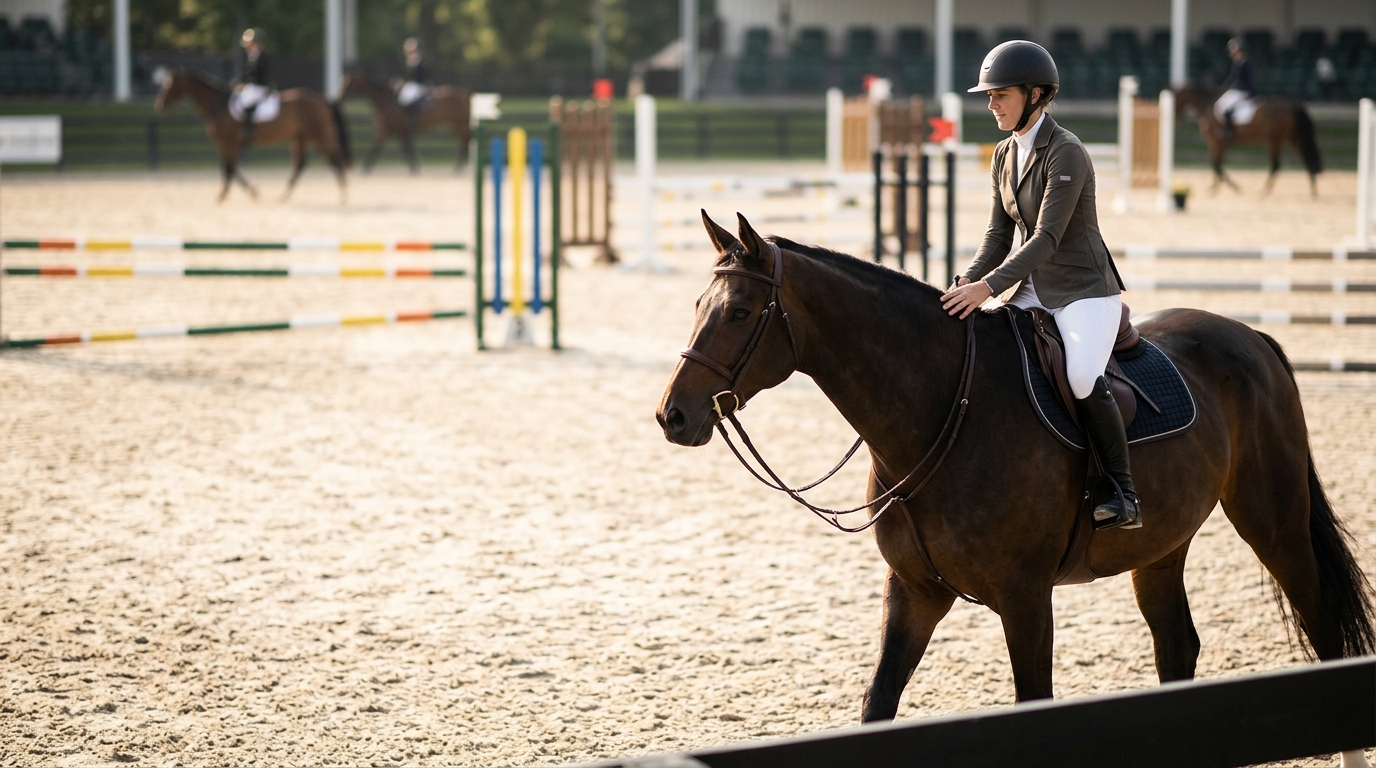
Show jumping is a discipline defined by precision, athleticism, and the seamless partnership between horse and rider. According to recent industry analyses, the average competitive show jumper completes courses with an average speed of 350 to 400 meters per minute, requiring split-second decision-making and physical conditioning. Success in this sport is not accidental; it is the result of systematic, disciplined training that addresses both the physical capabilities of the horse and the technical proficiency of the rider. This guide outlines the core methodologies used by elite trainers to build confidence, improve accuracy, and enhance overall performance. (Horse Sport)
Understanding the Basics of Show Jumping
Before diving into complex exercises, it is essential to define the core components of the sport. Show jumping is a timed equestrian event where the objective is to clear a series of obstacles without knocking down rails or refusing jumps. The sport demands a high level of fitness from both the horse and the rider, as well as a deep understanding of equine biomechanics. (EquiTermz 8211 Horse Sport)
Effective training begins with a clear understanding of the horse's natural movement patterns. Horses are prey animals, and their instinct is to flee from perceived threats. In the context of show jumping, the horse must learn to trust the rider's guidance over its instinct to avoid obstacles. This trust is built through consistent, positive reinforcement and clear communication. Riders must develop a secure seat that allows them to influence the horse's balance without interfering with its natural motion.
Training programs should always prioritize the horse's physical well-being. Overworking a horse can lead to injuries that sideline careers for months or even years. A balanced training regimen includes adequate rest days, proper nutrition, and regular veterinary check-ups. For more information on maintaining your horse's health, you can explore resources on equine health and management.
Foundational Flatwork for Jumping
Flatwork is the bedrock of all successful show jumping training. Without a strong foundation on the flat, a horse cannot effectively navigate jumps. Flatwork is the practice of training a horse on level ground to improve its balance, rhythm, and responsiveness to the rider's aids. It is not merely about walking and trotting; it involves precise transitions, lateral movements, and collection.
Rhythm and Impulsion
The first priority in flatwork is establishing a consistent rhythm. A horse that maintains a steady tempo is more likely to approach jumps correctly and jump with confidence. Riders should focus on maintaining a rhythmic trot and canter, ensuring that the horse is moving forward with energy but not rushing. Impulsion, or the desire to move forward, is crucial for generating the power needed to clear obstacles.
Transitions and Collection
Transitions between gaits and within gaits teach the horse to engage its hindquarters and lighten its forehand. This engagement is essential for jumping, as it allows the horse to lift its front end and clear the fence. Collection, the process of shortening the stride while increasing the activity of the hind legs, enables the horse to adjust its stride length to fit the distance between jumps. Practicing half-halts and transitions on the flat prepares the horse for the adjustments required on the course.
For detailed insights on training methodologies, consider reviewing articles on training and behavior available on our platform.
Mastering Gridwork Techniques
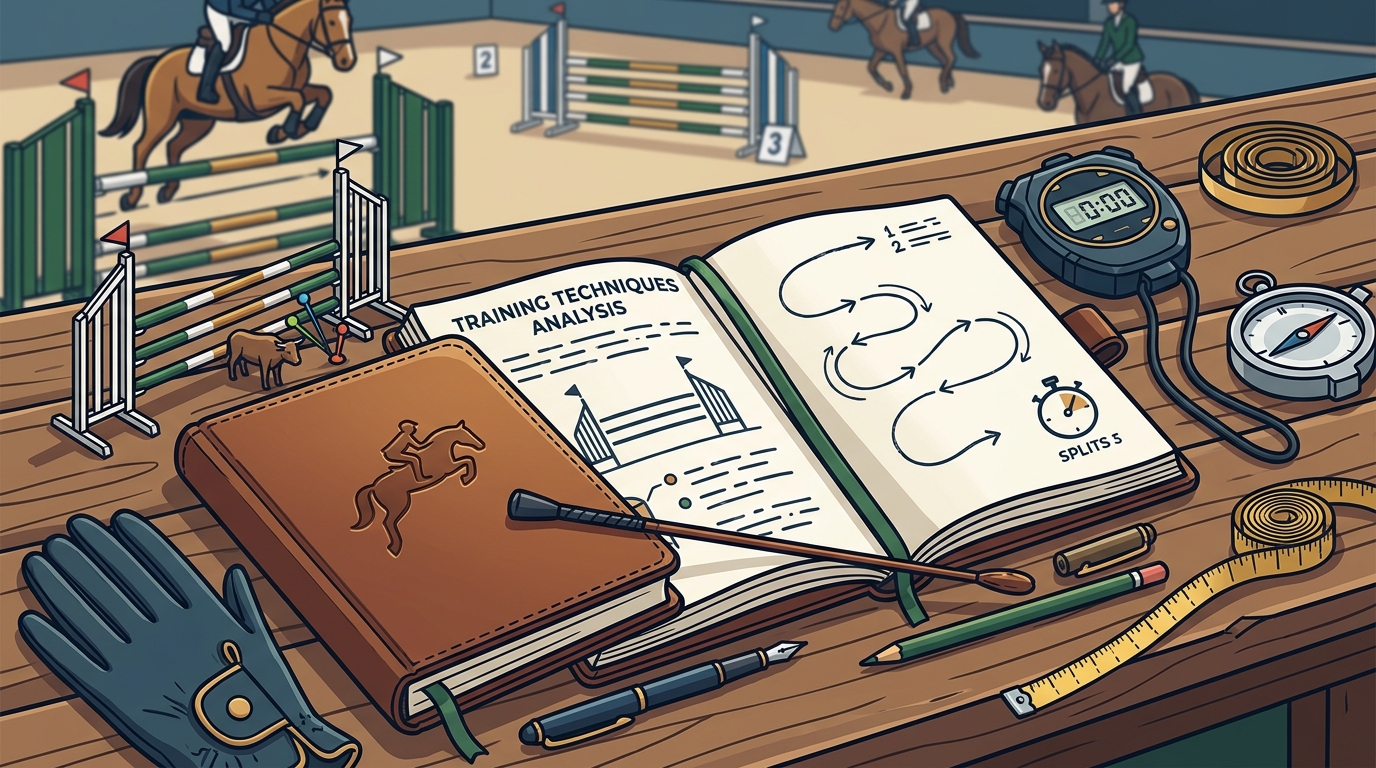
Gridwork is a highly effective training tool that helps horses and riders develop rhythm, balance, and confidence over fences. A grid is a series of jumps placed at specific distances to encourage the horse to jump naturally without the rider's interference. Gridwork is a training method using a series of jumps placed at calculated distances to help horses develop rhythm and confidence.
Setting Up a Grid
When setting up a grid, it is important to start with simple exercises and gradually increase the complexity. A typical grid might include a ground pole, a low jump, and a vertical, spaced at distances that allow the horse to take one or two strides between each element. The goal is to allow the horse to find its own balance and rhythm, rather than forcing it to do so.
Common Gridwork Exercises
One effective exercise is the "bouncing grid," where jumps are placed close together, requiring the horse to maintain a quick, rhythmic pace. This helps improve the horse's agility and responsiveness. Another useful exercise is the "one-stride grid," which allows the horse to take a single stride between jumps, helping to develop scope and technique. Riders should always approach gridwork with patience, allowing the horse to learn at its own pace.
For visual demonstrations and advanced tips, you can watch jumping lessons and training videos featured on our site.
Strategic Course Construction
As riders progress, they must learn to construct their own courses to target specific weaknesses and reinforce strengths. Effective course construction requires a deep understanding of stride patterns, angles, and distances. Course construction is the strategic arrangement of jumps to challenge specific skills and improve overall performance.
Understanding Distances
The distance between jumps is critical to the success of a course. Standard distances vary depending on the height of the jump and the size of the horse, but general guidelines can help riders plan their courses. For example, a typical distance for a vertical jump is 9 to 10 feet, while an oxer may require 10 to 11 feet. Riders must learn to measure these distances accurately and adjust them based on the horse's stride length.
Angles and Turns
Angles and turns add complexity to a course and test the horse's agility and the rider's control. Approaching a jump at an angle can help the horse balance and prepare for the next element. Tight turns require the horse to engage its hindquarters and maintain balance, while wider turns allow for more freedom of movement. Riders should practice various angles and turns to develop versatility.
To explore more about the science behind pasture and farm management, which supports overall horse health, visit our farm management resources.
Mental Conditioning and Rider Psychology
While physical training is essential, mental conditioning is equally important in show jumping. The sport is as much a mental game as a physical one, requiring focus, resilience, and confidence. Rider psychology is the study of the mental factors that influence a rider's performance and decision-making in competition.
Building Confidence
Confidence is built through consistent practice and positive experiences. Riders should start with smaller, more manageable courses and gradually increase the difficulty as their confidence grows. Celebrating small victories and learning from mistakes helps build a positive mindset. It is also important to visualize success before riding, imagining the horse moving smoothly and confidently over each jump.
Managing Stress and Anxiety
Competition can be stressful for both horse and rider. Learning to manage stress through breathing exercises, mindfulness, and routine helps maintain focus and calm. Riders should develop a pre-ride routine that includes warming up, reviewing the course, and centering themselves mentally. For the horse, consistent handling and a calm environment help reduce anxiety and promote relaxation.
For deeper insights into the psychological aspects of riding, read our article on rider psychology and behavior.
Key Takeaways
- Flatwork is Fundamental: Strong flatwork establishes the balance, rhythm, and responsiveness necessary for successful jumping.
- Gridwork Builds Confidence: Using grids at calculated distances helps horses develop natural rhythm and technique without rider interference.
- Course Construction Requires Precision: Accurate measurement of distances and angles is critical for challenging specific skills and improving performance.
- Mental Conditioning is Vital: Building confidence and managing stress through visualization and routine enhances both rider and horse performance.
- Physical Health is Priority: Regular veterinary care, proper nutrition, and adequate rest are essential to prevent injuries and sustain long-term success.
- Trust is the Foundation: A strong partnership based on trust and clear communication allows the horse to perform with confidence and agility.
- Continuous Learning: Staying updated with training techniques and industry standards ensures ongoing improvement and competitiveness.
Frequently Asked Questions
How often should I practice gridwork?
Gridwork can be practiced 1 to 2 times per week, depending on the horse's fitness level and the intensity of the exercises. It is important to allow adequate rest between sessions to prevent fatigue and injury.
What is the most common mistake in show jumping?
One of the most common mistakes is rushing the approach to a jump, which disrupts the horse's rhythm and balance. Maintaining a steady tempo and trusting the horse's ability to find the correct distance is key.
How do I improve my horse's scope?
Improving scope involves strengthening the horse's hindquarters and back through targeted exercises like pole work, cavaletti, and gradual increase in jump height. Consistency and patience are essential.
What role does nutrition play in show jumping?
Nutrition provides the energy and nutrients necessary for muscle development, recovery, and overall health. A balanced diet tailored to the horse's workload is crucial for peak performance.
How can I help my horse stay calm during competitions?
Exposing your horse to various environments and practicing competition routines at home can help desensitize them to new stimuli. Maintaining a calm and confident demeanor as a rider also influences the horse's state of mind.
Is it necessary to hire a professional trainer?
While not strictly necessary, working with a professional trainer can provide valuable feedback, correct technical errors, and offer personalized training plans that accelerate progress and prevent bad habits.
What equipment is essential for show jumping?
Essential equipment includes a well-fitted saddle, protective boots for the horse, a helmet for the rider, and appropriate jumping attire. Regular maintenance of tack ensures safety and comfort.
Ready to Elevate Your Show Jumping Skills?
Whether you are a beginner looking to start your journey or an experienced rider aiming to refine your technique, the right resources and guidance can make all the difference. At Horse Sport, we are dedicated to supporting the equestrian community with expert advice, training tips, and industry news. Explore our comprehensive training resources and connect with our team to discuss your goals. For personalized assistance or to share your experiences, please visit our contact page or reach out directly to our editorial team.