
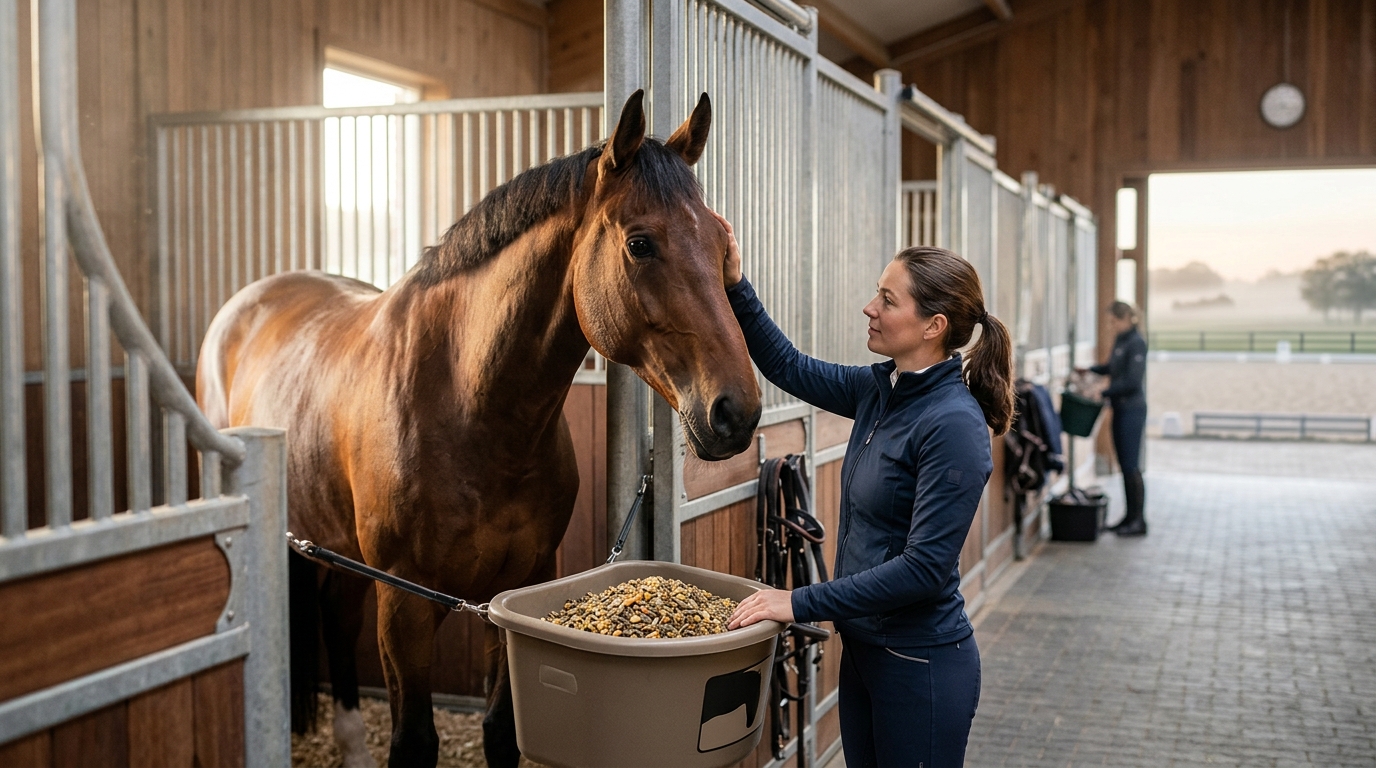
Modern equine sports demand unprecedented physical output from athletes. According to recent industry analyses, elite performance horses require precise nutritional interventions to maintain muscle integrity and metabolic efficiency. This guide explores the critical components of feeding high-performance equines, drawing on expert insights from Horse Sport and veterinary science.
The Forage-First Foundation
Forage is not merely a filler; it is the physiological engine of the equine digestive system. Forage is the primary source of fiber and volatile fatty acids that sustain gut health. Without adequate forage, the hindgut pH drops, leading to laminitis and colic risks that can end a career.
High-performance horses often struggle to maintain weight during intense training. A recent study highlighted in Horse Sport emphasizes that integrating natural grazing situations improves digestive efficiency. This is particularly vital for hard keepers who cannot simply eat more grain without risking metabolic disorders.
When managing pastures, soil health directly impacts nutrient density. Carefully managing your pastures' soil and plants from the ground up can ensure your horses keep grazing happily all summer long. This approach reduces the need for expensive supplemental feeds while providing natural trace minerals.
Caloric Density and Energy Sources
As exercise intensity increases, the caloric requirements of the horse shift dramatically. Traditional high-starch feeds are no longer the gold standard for elite athletes. Instead, fat and fiber-based energy sources are preferred for their sustained release and lower risk of tying-up.
Putting weight back on a horse requires a nuanced approach. When calories aren't the whole story, digestive efficiency becomes the limiting factor. Horses with poor topline support often suffer from inadequate protein synthesis, not just a lack of total energy.
Understanding the difference between non-structural carbohydrates (NSC) and structural carbohydrates is critical. High NSC feeds can cause insulin spikes, leading to behavioral issues and metabolic stress. For competition horses, stable energy sources like cooled rice bran or vegetable oils provide the necessary ATP for muscle contraction without the glycogen depletion associated with starch.
Protein Quality and Amino Acids
Protein is the building block of muscle repair and immune function. However, not all protein is created equal. The quality of protein is determined by its amino acid profile, specifically the presence of lysine and methionine.
Protein is the essential macronutrient required for muscle tissue repair and enzyme production. For high-performance horses, the ratio of digestible protein to total protein must be optimized. Overfeeding crude protein without regard for amino acid balance can lead to nitrogen waste and increased metabolic load on the kidneys.
Research indicates that soybean meal and canola meal are excellent sources of digestible protein for equines. These ingredients support the recovery process after intense training sessions. For horses in heavy work, the daily protein requirement can exceed 14% of the diet, depending on the body weight and workload.
Micronutrients and Electrolytes
Electrolyte balance is the silent determinant of performance. Sweating depletes sodium, potassium, and chloride, which are critical for nerve transmission and muscle contraction. Dehydration leads to a rapid decline in cardiovascular efficiency and thermoregulation.
According to veterinary guidelines, electrolyte supplementation must be tailored to the individual horse's sweat rate. Some horses are "heavy sweaters" and require significantly higher mineral replacement than others. This is particularly true in humid climates where evaporative cooling is less efficient.
Micronutrients like selenium and vitamin E play a pivotal role in antioxidant defense. Oxidative stress from intense exercise can damage muscle cells. Adequate intake of these nutrients helps mitigate inflammation and supports long-term joint health. The science of pasture management also extends to soil mineral content, which directly influences the nutritional value of the forage.
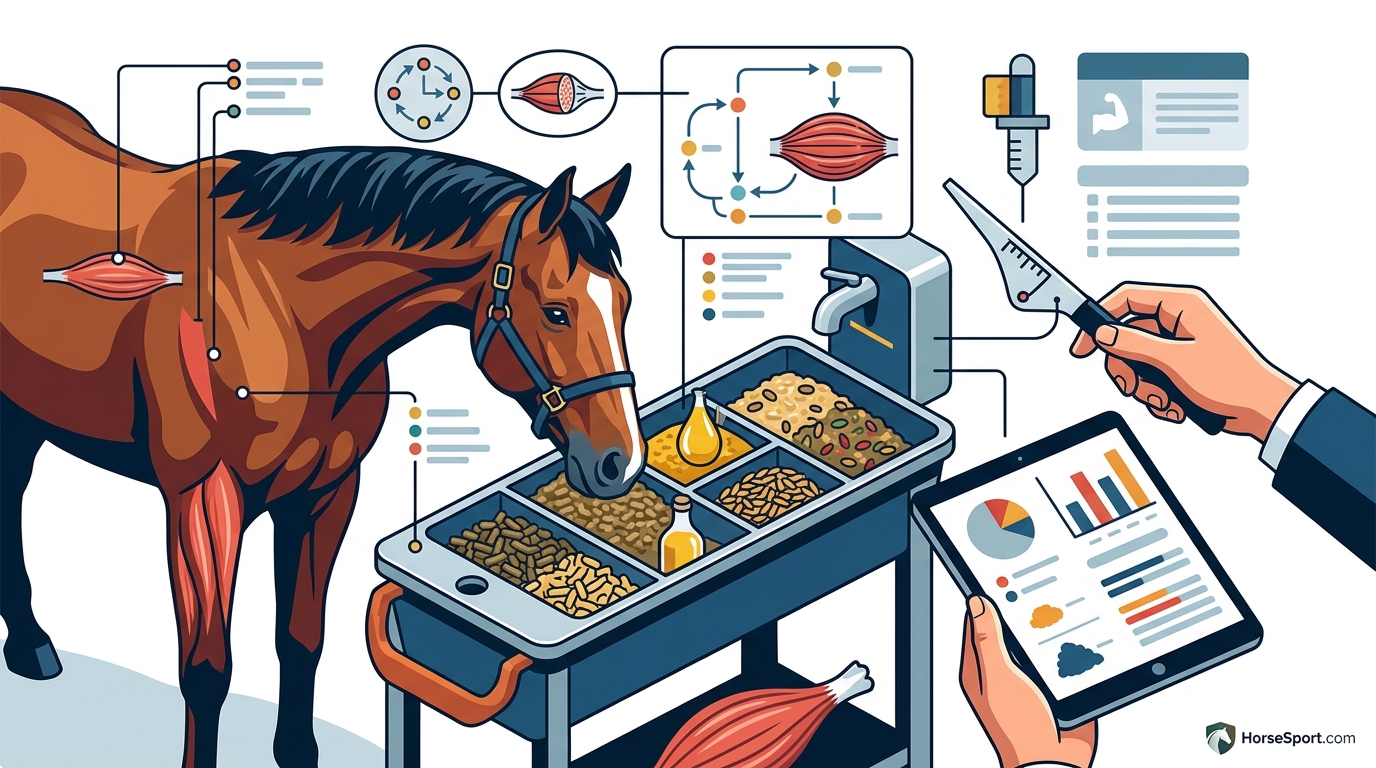
Supplement Strategy and Biosecurity
Supplements are not a substitute for a balanced diet. They are designed to fill specific gaps in nutrition. A comprehensive health and management plan must include regular parasite control and biosecurity measures to ensure nutrient absorption is not compromised by internal parasites.
Equine vets recommend a proactive approach to summer health. This includes monitoring forage quality, adjusting feed rations based on workload, and ensuring constant access to clean water. Biosecurity protocols at stables prevent the spread of diseases that can impact appetite and nutrient uptake.
When selecting supplements, look for products with transparent ingredient lists and third-party testing. The equine industry is largely unregulated, making it crucial to choose brands that prioritize quality and consistency. Horse Sport provides ongoing research and articles on the latest supplement trends and efficacy studies.
Key Takeaways
- Forage is King: High-quality forage must constitute at least 50-70% of the diet to maintain gut health.
- Efficacy Over Volume: Digestive efficiency is more critical than total caloric intake for hard keepers.
- Amino Acid Balance: Prioritize digestible protein sources like soybean and canola meal for muscle repair.
- Electrolyte Management: Tailor supplementation to individual sweat rates and environmental conditions.
- Soil Health: Pasture management directly impacts the mineral density of forage.
- Biosecurity: Parasite control is essential for nutrient absorption and overall health.
- Professional Guidance: Consult with equine nutritionists and vets for personalized feeding plans.
Frequently Asked Questions
How much forage should a high-performance horse eat?
A high-performance horse should consume at least 1.5% to 2% of its body weight in forage daily. This ensures adequate fiber for hindgut function and prevents gastric ulcers.
What are the best energy sources for competition horses?
Fat and fiber-based energy sources, such as vegetable oils and beet pulp, are preferred over high-starch grains. They provide sustained energy without the risk of metabolic spikes.
How do I know if my horse needs electrolyte supplements?
If your horse sweats heavily during exercise or competes in hot weather, electrolyte supplementation is necessary. Monitor urine color and skin tent tests for signs of dehydration.
Can I feed my horse only pasture?
While pasture is excellent, it may not provide sufficient calories or protein for high-performance horses. Supplemental feeds are often required to meet energy demands.
What is the role of selenium in equine nutrition?
Selenium is a critical antioxidant that works with vitamin E to protect muscle cells from oxidative damage. Deficiency can lead to white muscle disease.
How often should I test my forage?
Forage should be tested at least once per season or when changing hay sources. This helps determine the need for supplemental minerals and protein.
What are the signs of gastric ulcers in performance horses?
Signs include poor performance, behavioral changes, weight loss, and colic-like symptoms. Regular veterinary check-ups and appropriate feeding strategies can help manage ulcers.
How does pasture management affect horse health?
Healthy soil produces nutrient-dense forage. Proper pasture management reduces the risk of laminitis and ensures horses receive essential trace minerals.
Support Independent Equestrian Journalism
Stay informed with the latest insights on equine health, training, and management. Horse Sport is dedicated to providing high-quality, independent journalism for the equestrian community. Support our mission by donating or exploring our shop for premium equestrian resources.