
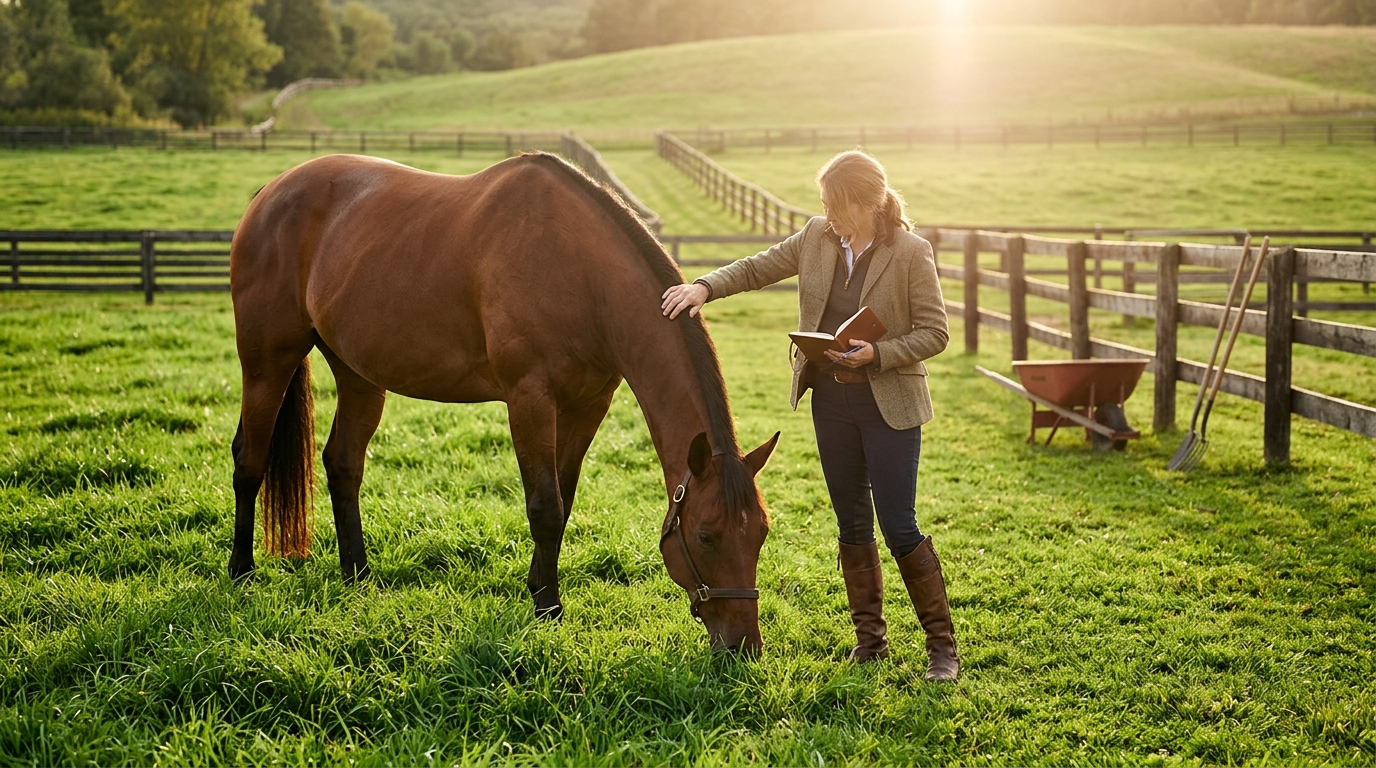
Healthy pastures are the foundation of equine wellness, yet they are often the most neglected component of farm management. According to recent agricultural data, well-managed grazing systems can reduce feed costs by up to 40% while significantly improving soil health and biodiversity. This guide outlines the essential strategies for maintaining lush, safe, and productive grazing land for your herd. (Quiz 8211 Horse Sport)
Understanding Pasture Ecology
Before implementing any physical changes, it is vital to understand the biological systems at play. Pasture ecology is the study of the interactions between grazing animals, plants, and the soil environment. Horses are selective grazers, meaning they will eat the most palatable plants first, leaving behind less desirable species. This selective behavior can lead to overgrazing of preferred grasses and the eventual dominance of weeds. (Shop 8211 Horse Sport)
To combat this, you must view your pasture as a living ecosystem rather than a static lawn. The goal is to encourage a diverse mix of grasses and legumes that can withstand grazing pressure. Diversity ensures that if one species struggles due to weather or pests, others will thrive, maintaining consistent forage availability. For more insights on maintaining balance, explore our science of pasture management resources. (Donate 8211 Horse Sport)
Soil Health and Testing
Healthy soil is the bedrock of a healthy pasture. Without adequate nutrients, grasses cannot grow vigorously enough to recover from grazing. Soil fertility is the measure of the soil's ability to provide essential nutrients in adequate amounts for plant growth. Regular testing allows you to apply the correct amendments, preventing both deficiencies and toxicities.
Conducting Soil Tests
You should conduct soil tests every two to three years, or after significant weather events. Collect samples from different areas of the pasture to get a representative profile. Look for pH levels, phosphorus, potassium, and magnesium. If your soil is too acidic, lime may be required to raise the pH, making nutrients more available to plants. Consult local agricultural extension services for specific recommendations based on your region's soil type.
Organic Matter and Compost
Incorporating organic matter improves soil structure, water retention, and microbial activity. Spreading compost or well-aged manure can boost nutrient levels naturally. However, be cautious with manure application. Fresh manure can introduce parasites and weed seeds. Ensure that manure is composted properly to kill pathogens before spreading it on grazing areas. For more on farm hygiene, review our farm management guidelines.
Grazing Rotation Strategies
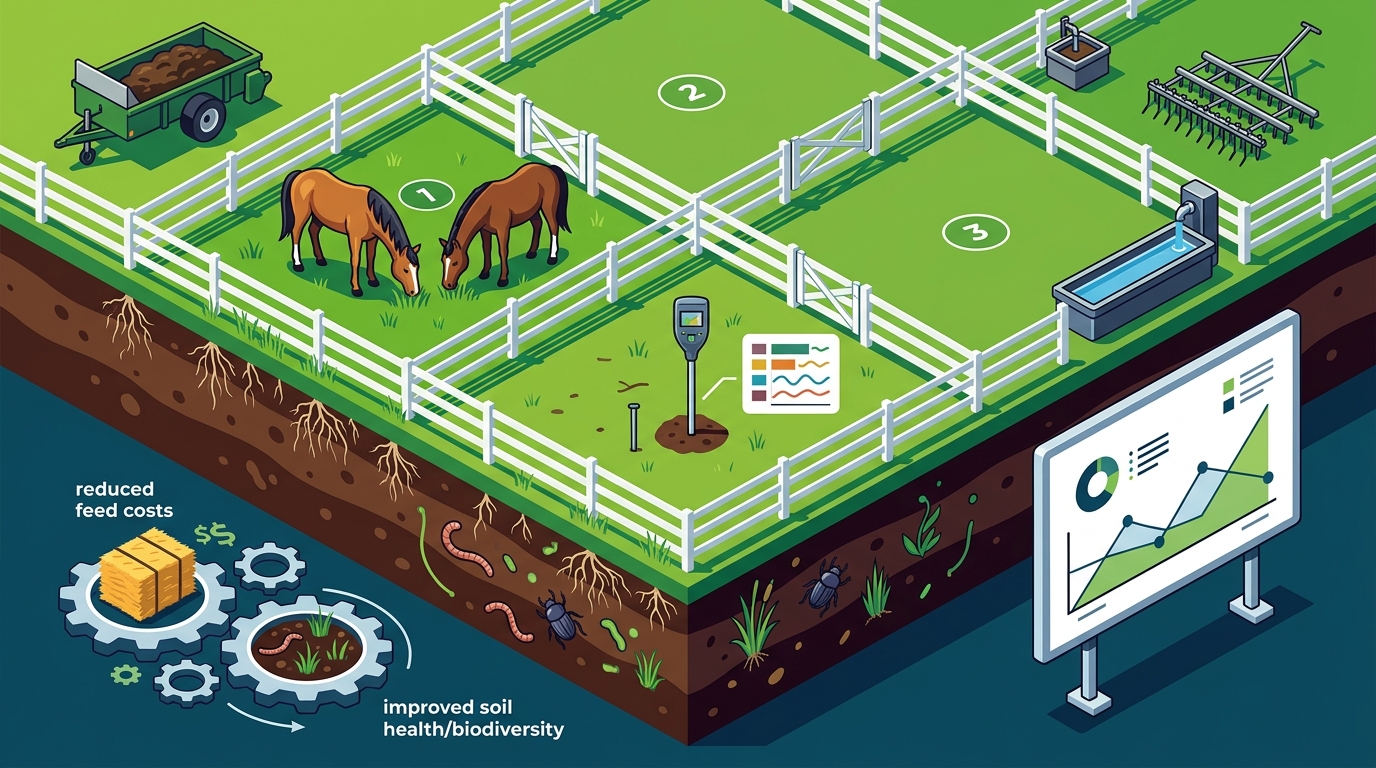
Continuous grazing is the primary cause of pasture degradation. When horses have unrestricted access to the same land, they destroy the root systems of preferred plants. Rotational grazing is the practice of dividing pastures into smaller paddocks and moving livestock between them to allow forage recovery. This method mimics natural herd movements and promotes vigorous grass regrowth.
The 30% Rule
A general rule of thumb is to never graze grass shorter than 30% of its original height. For most common pasture grasses, this means leaving at least 4 to 6 inches of stubble. Grazing below this threshold stresses the plant, depletes root energy reserves, and can lead to soil erosion. Allow the pasture to rest until it reaches about 8 to 10 inches before grazing again. This rest period allows the plant to rebuild its root system and store energy for the next growth cycle.
Paddock Sizing
The number of paddocks depends on your acreage and herd size. A minimum of four to six paddocks is recommended for effective rotation. Smaller paddocks allow for more precise control over grazing intensity. During the growing season, you may need to move horses more frequently to prevent overgrazing. In the dormant season, rest periods can be extended. For a directory of stable management resources, visit our Canadian Stable Directory.
Weed and Toxin Control
Weeds not only reduce the nutritional value of the pasture but can also pose serious health risks to horses. Some common pasture weeds are highly toxic and can cause illness or death if ingested. Toxicology in equine pastures refers to the study of harmful plants and substances that can cause adverse health effects in horses. Early identification and management are critical.
Common Toxic Plants
Be vigilant for plants such as ragwort, foxglove, and nightshade. Ragwort is particularly dangerous as it contains pyrrolizidine alkaloids that can cause liver damage. Do not wait for horses to avoid these plants; they may eat them out of desperation when preferred forage is scarce. Remove toxic plants manually or use targeted herbicides if necessary. Always follow label instructions and consult with a veterinary professional before applying any chemicals.
Integrated Pest Management
Instead of relying solely on chemical controls, use an integrated approach. Maintain proper soil fertility to encourage competitive grass growth, which naturally suppresses weeds. Mow pastures regularly to prevent weeds from going to seed. This practice also helps to distribute manure evenly and control parasite loads. For more on equine health and safety, check our health articles.
Drainage and Water Access
Water management is often overlooked in pasture care. Poor drainage leads to muddy areas where grass cannot grow, creating bare patches that are prone to erosion. Pasture drainage is the process of removing excess water from the soil to prevent waterlogging and promote root health. Standing water can also harbor parasites and bacteria that threaten equine health.
Fixing Muddy Patches
Identify low-lying areas where water collects. Install French drains or swales to redirect water flow. In high-traffic areas near gates or waterers, consider using geotextile fabric and gravel to stabilize the ground. This prevents the formation of deep ruts and reduces mud. Ensuring proper drainage extends the usable life of your pasture and reduces the risk of hoof issues in your horses.
Water Source Management
Provide clean, fresh water in every paddock if possible. If using a central water source, ensure it is accessible without causing excessive wear on the pasture. Automatic waterers are convenient but require regular maintenance to prevent leaks and contamination. Keep the area around waterers clean and dry to minimize mud and parasite buildup. For tips on horse health, read our summer tips from equine vets.
Key Takeaways
- Soil Testing: Test soil every 2-3 years to maintain optimal pH and nutrient levels.
- Rotational Grazing: Divide pastures into multiple paddocks to allow for adequate forage recovery.
- Grass Height: Never graze grass shorter than 30% of its original height to protect root systems.
- Weed Control: Identify and remove toxic plants like ragwort before they spread.
- Manure Management: Harrow pastures regularly to distribute manure and break up parasite cycles.
- Drainage: Fix muddy areas with gravel or drainage systems to prevent erosion and hoof issues.
- Diversity: Encourage a mix of grasses and legumes for resilient and nutritious forage.
Frequently Asked Questions
How often should I rotate my horses to new pastures?
Rotation frequency depends on grass growth rates and weather conditions. During the active growing season, you may need to move horses every 10 to 14 days. In cooler months, rest periods can be longer. The key indicator is the height of the grass; move them before they graze below the 30% threshold.
What is the best time of year to aerate and overseed pastures?
Early fall is generally the best time for overseeding and aerating in most climates. The cooler temperatures and increased rainfall help new seeds establish before winter. Spring aeration can also be beneficial if done early enough to allow for regrowth.
How can I control parasites in my pasture naturally?
Rotational grazing is one of the most effective natural controls. By moving horses before parasite larvae mature, you break the life cycle. Harrowing pastures to expose larvae to sunlight and drying also helps. Consider rotating with other livestock species, such as cattle or goats, which do not share the same parasites as horses.
Is it safe to let horses graze on newly seeded pastures?
No, you should wait until the new grass is well-established before allowing grazing. Typically, this means waiting until the grass is at least 6 to 8 inches tall and has a strong root system. Allowing horses to graze too early can uproot the young plants and destroy your investment.
What are the signs of a nutrient-deficient pasture?
Signs include thin, patchy grass growth, an increase in weeds, and poor color. If the grass is pale yellow, it may lack nitrogen. If it is dark green but grows slowly, it may have a phosphorus or potassium deficiency. Soil testing is the only way to confirm specific nutrient needs.
How much pasture acreage do I need per horse?
While this varies by region and soil quality, a general guideline is one to two acres per horse. In arid regions, you may need more land to provide adequate forage. In lush, fertile areas, less land may suffice. Monitor your pasture condition closely and adjust acreage or supplemental feeding as needed.
Can I use hay to supplement grazing in the winter?
Yes, supplemental hay is often necessary when pasture growth slows or stops. Ensure that the hay is of high quality and free from mold. Provide hay in a way that minimizes waste and keeps the horses engaged. This helps maintain their digestive health during the dormant season.
Start Managing Your Pasture Today
Effective pasture management is an ongoing process that requires attention to detail and a commitment to long-term sustainability. By implementing these best practices, you can create a thriving environment for your horses and your land. For more expert advice on equine care and farm management, visit our Horse Sport homepage and explore our comprehensive library of articles.