
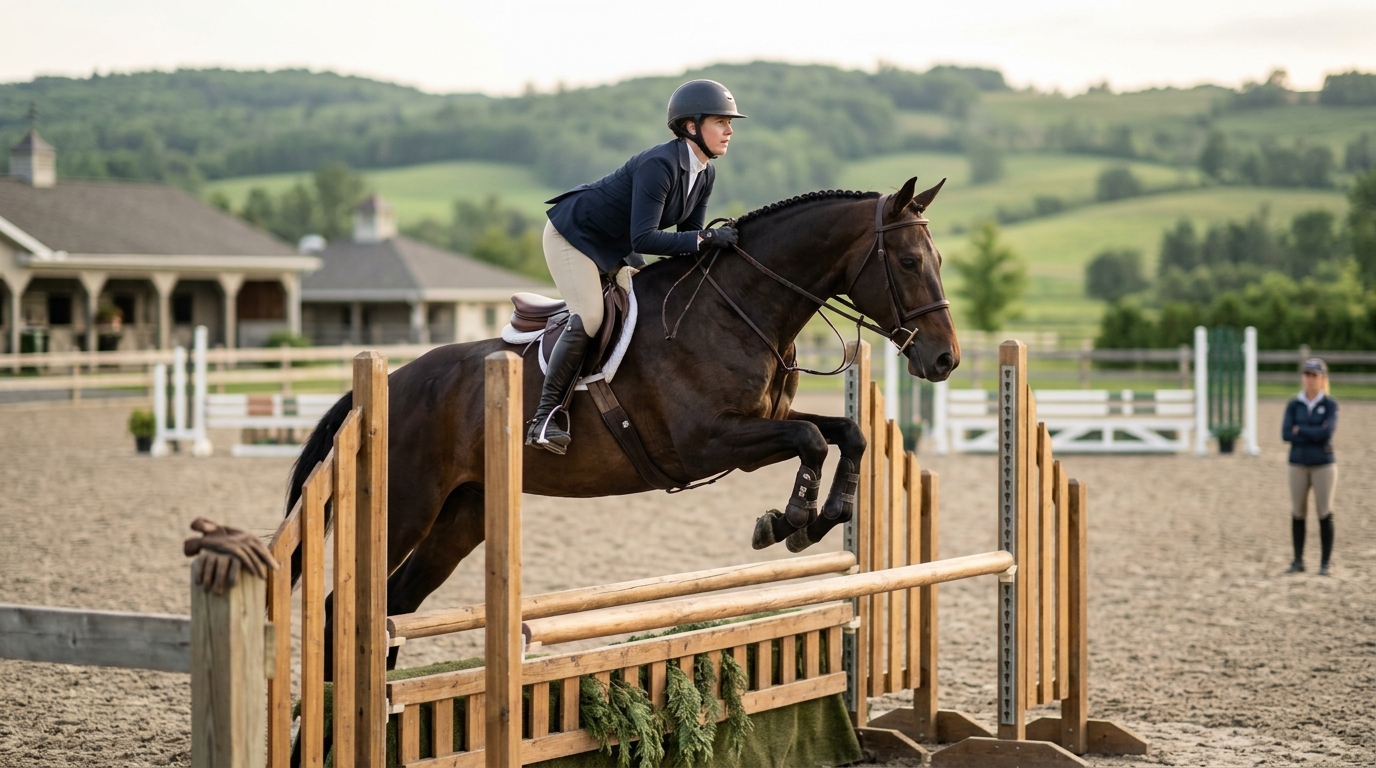
Show jumping is a discipline defined by precision, athleticism, and the seamless partnership between horse and rider. In the competitive Canadian equestrian circuit, where standards are exceptionally high, mastering effective training techniques is not just beneficial, it is essential. Recent industry analysis indicates that consistent, structured training regimens can improve jump efficiency by up to 30 percent, reducing the likelihood of faults and enhancing overall performance. This guide explores the core methodologies used by top-tier trainers to develop confident, capable show jumping horses. (Donate 8211 Horse Sport)
Foundations of Flatwork and Balance
Before a horse can clear a three-foot fence with confidence, they must understand the basics of balance and rhythm on the flat. Flatwork is the bedrock of all equestrian sports, and for show jumping, it serves as the primary tool for developing the horse's core strength and responsiveness. Without a solid foundation, even the most talented jumper will struggle to maintain consistency under pressure.
Effective flatwork focuses on establishing a steady rhythm. Rhythm is the heartbeat of the jump. Riders should practice transitions within the gait, such as moving from a collected canter to a working canter, to engage the horse's hindquarters. This engagement is critical because it allows the horse to lift its forehand and adjust its stride mid-air. According to the Federation Equestre Internationale (FEI), the governing body of Olympic equestrian sports, proper engagement is the single most important factor in preventing refusals and knockdowns. The FEI technical guidelines emphasize that a horse must be able to carry more weight on its hind legs to successfully navigate complex courses.
Canadian riders often benefit from integrating dressage principles into their jumping training. Dressage teaches the horse to respond to subtle aids, which translates directly to better control in the ring. When working on the flat, focus on maintaining a consistent contact with the horse's mouth. This contact should be steady and elastic, allowing the horse to stretch into the bit without feeling restricted. If the contact is too tight, the horse may become stiff and unable to bascule, or round, over the fence. If it is too loose, the rider loses the ability to guide the horse effectively.
Another critical aspect of flatwork is straightness. A horse that leans to one side will struggle to align with the center of a fence. Riders should practice riding straight lines and precise circles to ensure the horse remains balanced and responsive. This attention to detail on the flat pays significant dividends when approaching complex combinations in the show ring.
Mastering the Approach and Takeoff
The approach to a jump is where the majority of errors occur. It is the phase where the rider must calculate the distance, adjust the stride, and prepare the horse for takeoff. A common mistake among amateur riders is rushing the approach, which disrupts the horse's rhythm and leads to unpredictable jumps. Instead, riders should focus on maintaining a calm, controlled pace that allows for last-minute adjustments.
Distance management is a skill that takes years to refine. Distance management involves judging the exact spot where the horse will take off. Riders must learn to recognize the horse's natural stride length and adjust their position accordingly. If the horse is too far from the fence, the rider may need to add a half-step or two to maintain momentum. If the horse is too close, the rider must help the horse back up to find the correct takeoff point. This requires a keen eye and a light touch with the reins.
The takeoff phase is equally important. The horse must lift its forehand and tuck its knees to clear the fence safely. Riders can encourage this by maintaining a forward seat and allowing the horse to stretch its neck over the fence. Pulling back on the reins during takeoff can cause the horse to hit the fence with its knees or refuse to jump. Instead, the rider should follow the horse's motion, staying balanced and centered in the saddle.
For Canadian riders, understanding the specific demands of local courses is also vital. Courses in Canada often feature natural terrain and varied footing, which can affect the horse's balance. Riders should practice jumping on different surfaces, including grass, sand, and dirt, to prepare their horses for the unpredictability of the show ring. According to a study by the Canadian Horse Journal, horses trained on varied surfaces show greater adaptability and confidence in competition settings. This adaptability is crucial for success in the diverse Canadian equestrian landscape.
Training Over Fences: Gridwork and Bending
Gridwork is one of the most effective tools for improving a horse's jumping technique. A grid is a series of fences placed at specific distances to encourage the horse to jump correctly without the rider needing to interfere. By setting up a grid, riders can help the horse develop a consistent bascule and improve its ability to adjust its stride.
When using gridwork, it is important to start with simple questions and gradually increase the complexity. For example, a simple bounce grid can help the horse learn to lift its legs quickly and efficiently. A related questions grid can help the horse adjust its stride between jumps. As the horse becomes more confident, riders can introduce bending lines to teach the horse to jump while turning. This is particularly useful for navigating tight turns in the show ring.
Bending is a critical skill for show jumping. Many courses require the horse to jump while turning, which demands significant balance and coordination. Riders should practice bending lines in training to help their horses understand how to maintain rhythm and balance while changing direction. This involves using the inside leg to maintain impulsion and the outside leg to prevent the horse from falling out through the shoulder. The inside rein guides the horse into the turn, while the outside rein maintains the bend and prevents over-flexion.
Another effective training technique is the use of ground poles. Placing poles on the ground before and after a fence can help the horse understand where to place its feet. This is particularly useful for horses that struggle with distance or have difficulty lifting their legs. Ground poles encourage the horse to look down and focus on the jump, which can improve confidence and accuracy. According to EquiTermz, a resource for equestrian terminology and education, consistent use of ground poles can significantly enhance a horse's spatial awareness and jumping technique.
Rider Psychology and Course Walking
Show jumping is as much a mental game as it is a physical one. Riders must remain calm and focused under pressure, even when things go wrong. Rider psychology plays a significant role in performance, as anxiety can negatively impact the horse's behavior and the rider's decision-making. Developing mental resilience is just as important as physical fitness.
One of the most effective tools for mental preparation is course walking. Walking the course allows the rider to visualize each jump and plan their approach. This mental rehearsal helps reduce anxiety and increases confidence. Riders should pay attention to the distance between jumps, the angle of approach, and the potential challenges, such as tight turns or narrow gates. By planning each stride in advance, the rider can stay focused and avoid making impulsive decisions in the ring.
Another aspect of rider psychology is the ability to recover from mistakes. In show jumping, faults are inevitable, but how a rider responds to them can determine the outcome of the round. Riders should practice staying positive and focused, regardless of the situation. This involves letting go of past mistakes and concentrating on the next jump. According to Rider Psychology experts, maintaining a positive mindset is crucial for long-term success in the sport. Riders who can bounce back from errors often perform better in subsequent rounds.
Canadian riders can also benefit from studying the techniques of top competitors. Watching videos of successful riders and analyzing their strategies can provide valuable insights. Additionally, attending clinics and workshops led by experienced trainers can help riders refine their skills and gain new perspectives. The Horse Sport community offers numerous resources and articles on rider psychology and training techniques, providing a wealth of knowledge for those looking to improve.
Comparing Training Methodologies
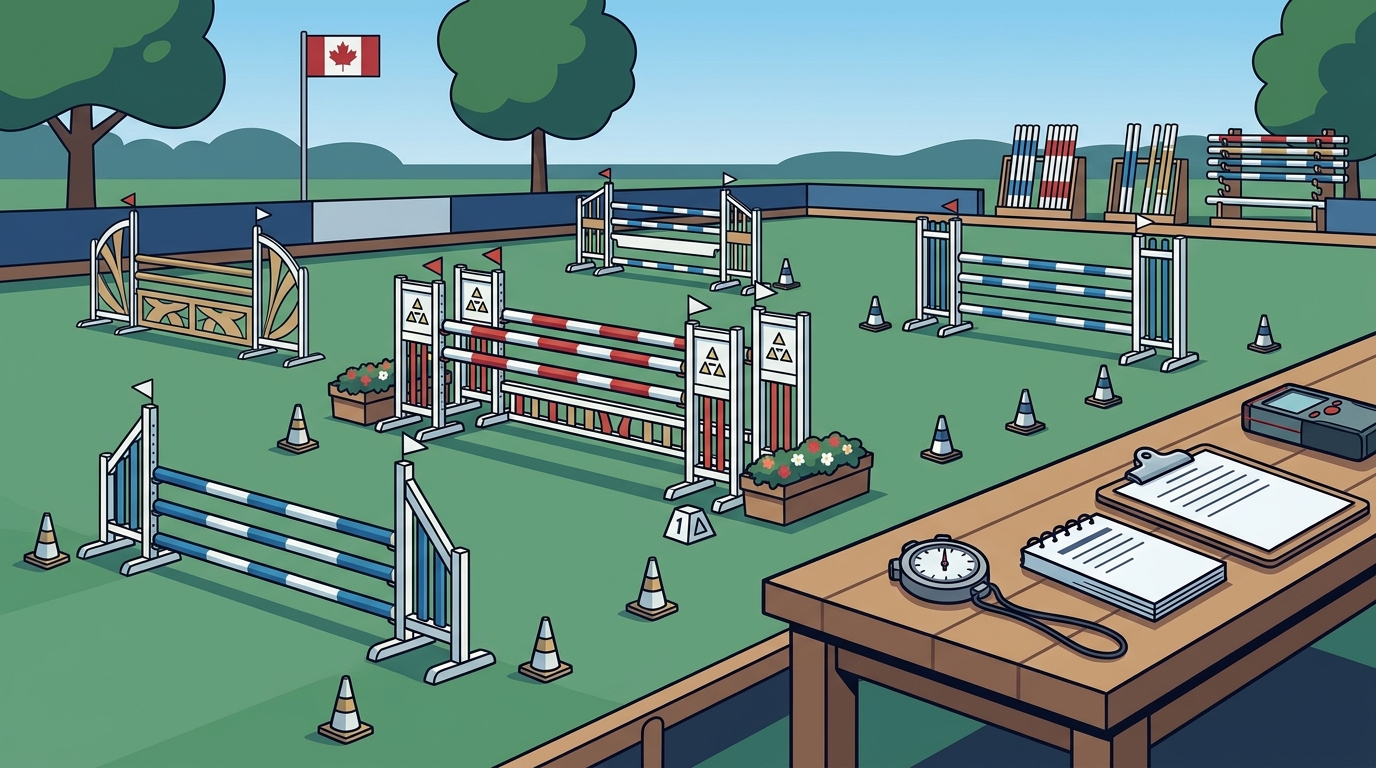
Different training methodologies offer unique benefits for show jumping. Understanding these differences can help riders choose the approach that best suits their horse and goals. Below is a comparison of three common training methods.
| Methodology | Focus | Best For | Key Benefit |
|---|---|---|---|
| Gridwork | Technique and Rhythm | Young Horses | Develops natural bascule |
| Flatwork | Balance and Responsiveness | All Levels | Improves core strength |
| Course Walking | Mental Preparation | Competitive Riders | Reduces anxiety |
Gridwork is particularly effective for young horses or those learning to jump. It allows them to develop confidence and technique without the pressure of a full course. Flatwork is essential for all riders, regardless of level, as it forms the basis of all riding skills. Course walking is a mental tool that helps riders prepare for competition, ensuring they are ready to perform under pressure.
Each methodology has its place in a comprehensive training program. Riders should integrate all three to ensure their horses are physically and mentally prepared for competition. By combining these approaches, riders can create a balanced training regimen that addresses all aspects of show jumping.
Key Takeaways for Show Jumping Success
- Flatwork is foundational: Consistent flatwork improves balance, rhythm, and responsiveness, which are critical for successful jumping.
- Distance management is key: Judging the correct takeoff point prevents refusals and knockdowns, ensuring a smooth round.
- Gridwork builds technique: Using grids helps horses develop a natural bascule and improves their ability to adjust strides.
- Mental preparation matters: Course walking and positive visualization reduce anxiety and improve performance under pressure.
- Bending requires balance: Practicing bending lines helps horses maintain rhythm and balance while turning over fences.
- Adaptability is crucial: Training on varied surfaces prepares horses for the unpredictable conditions of the show ring.
- Recovery from errors is vital: Staying focused after a mistake prevents compounding errors and maintains momentum.
Frequently Asked Questions
How often should I practice gridwork?
Gridwork should be incorporated into your training routine two to three times per week. This frequency allows the horse to develop muscle memory without becoming fatigued. Always start with simple grids and gradually increase the complexity as the horse improves.
What is the most common mistake in show jumping?
The most common mistake is rushing the approach, which disrupts the horse's rhythm and leads to unpredictable jumps. Riders should focus on maintaining a calm, controlled pace to allow for proper distance management.
How can I improve my horse's bending ability?
Practice bending lines in training, using the inside leg to maintain impulsion and the outside leg to prevent the horse from falling out. Ensure the horse remains balanced and responsive throughout the turn.
Why is course walking important?
Course walking allows riders to visualize each jump and plan their approach, reducing anxiety and increasing confidence. It helps riders identify potential challenges and prepare mentally for the competition.
What role does flatwork play in show jumping?
Flatwork develops the horse's core strength, balance, and responsiveness, which are essential for successful jumping. It also improves the horse's ability to carry weight on its hind legs, allowing for better lift and bascule.
How do I help my horse recover from a refusal?
Stay calm and reassess the situation. Check the distance and angle of approach, and ensure the horse is balanced and focused. Use a simple grid or ground pole to rebuild confidence before attempting the fence again.
What are the benefits of training on varied surfaces?
Training on varied surfaces improves the horse's adaptability and confidence, preparing them for the unpredictable conditions of the show ring. It also strengthens the horse's legs and joints, reducing the risk of injury.
Start Your Training Journey
Mastering show jumping requires dedication, patience, and a commitment to continuous improvement. By integrating effective training techniques such as gridwork, flatwork, and mental preparation, you can help your horse reach its full potential. Whether you are a beginner or an experienced competitor, there is always room to refine your skills and deepen your partnership with your horse.
For more resources, training tips, and community support, visit Horse Sport, your trusted source for equestrian excellence in Canada. Explore our Canadian Stable Directory to find top trainers and facilities in your area. Connect with us via our Contact Us page to share your experiences and learn from fellow riders. Stay updated with the latest news and insights by subscribing to our newsletter and checking out our Contests for exciting opportunities. Your journey to show jumping success starts here.