
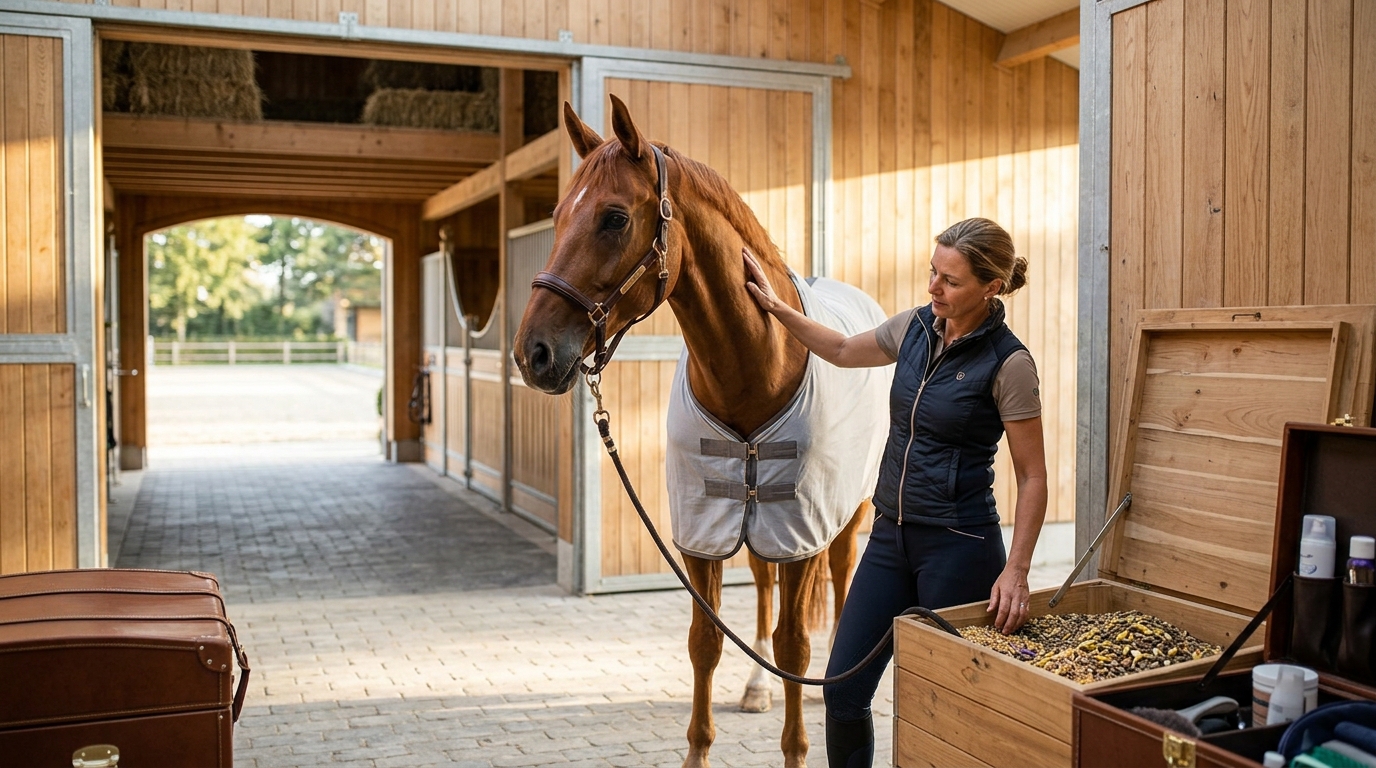
Optimizing the diet of a high-performance horse is not merely about adding calories; it is about engineering metabolic efficiency. According to recent veterinary consensus, proper nutritional management can reduce injury risk by up to 30% in competitive athletes. This guide explores the critical intersection of forage quality, energy density, and micronutrient balance required to sustain elite equestrian performance. (Horse Sport)
The Forage Foundation
Forage remains the non-negotiable cornerstone of equine physiology. Forage is the primary source of fiber that maintains hindgut health and prevents gastric ulcers. Without adequate roughage, the continuous fermentation process in the cecum slows, leading to acidosis and colic risks. (Contests 8211 Horse Sport)
High-performance horses require forage that is not just abundant but biologically active. The quality of hay or pasture directly impacts the horse's ability to recover from intense physical exertion. Recent studies on feeding behavior indicate that integrating natural grazing situations improves digestive health significantly. You can explore these insights in our article on Feeding Behaviour and Overnight Rhythms in Horses.
When selecting forage, look for leafy, green hay with minimal dust. Legume hays like alfalfa provide higher protein and calcium levels, which are beneficial for growing athletes or those in heavy work. However, grass hays offer a more balanced calcium-to-phosphorus ratio, which is crucial for preventing metabolic disorders.
Energy Dynamics for Athletes
Energy requirements for high-performance horses vary wildly based on discipline. A dressage horse requires sustained mental focus and precise muscle control, while a reining horse needs explosive power. Energy is derived primarily from fats and carbohydrates, with fat being the preferred fuel for endurance.
Traditional high-grain diets have fallen out of favor due to the risk of starch overload. When starch exceeds the small intestine's capacity to digest it, it ferments in the hindgut, causing laminitis. Modern nutritionists recommend replacing grain with high-fat feeds or vegetable oils. These sources provide dense energy without the glycemic spike associated with cereals.
For horses struggling to maintain weight despite high forage intake, the issue may be digestive efficiency. Our guide on Putting Weight Back on a Horse details how to address hard keepers by focusing on topline support and digestive health rather than simply adding more grain.
Micronutrients and Electrolytes
Electrolyte balance is critical during periods of heavy sweating. Sodium, potassium, and chloride are lost rapidly during exercise. Electrolytes are minerals that regulate fluid balance and nerve transmission in the equine body. Depletion leads to fatigue, muscle cramps, and poor performance.
Supplementing electrolytes is not just about adding salt. It requires a balanced ratio to ensure absorption. Magnesium and calcium also play vital roles in muscle relaxation and contraction. Deficiencies in these minerals can lead to tying-up syndromes, a common issue in high-performance horses.
Summer management requires extra attention to hydration and biosecurity. Our article Summer Tips from Equine Vets outlines how to manage parasite control and hydration in hot weather to prevent metabolic stress.
Supplement Strategy
The supplement market is saturated with products claiming to enhance performance. However, not all supplements are created equal. Supplements are dietary additions used to fill nutritional gaps or support specific physiological functions. They should never replace a balanced base diet.
Joint health is a primary concern for aging athletes. Glucosamine, chondroitin, and hyaluronic acid are standard ingredients for supporting cartilage health. For horses with gastric issues, probiotics and prebiotics can help maintain a healthy gut flora. Always consult with a veterinarian before introducing new supplements, especially if the horse is on medication.
For those interested in the behavioral aspects of nutrition, our piece on ‘Bad Behaviour’ and Ulcer Pain explains how gastric discomfort can manifest as aggression or resistance in the saddle.
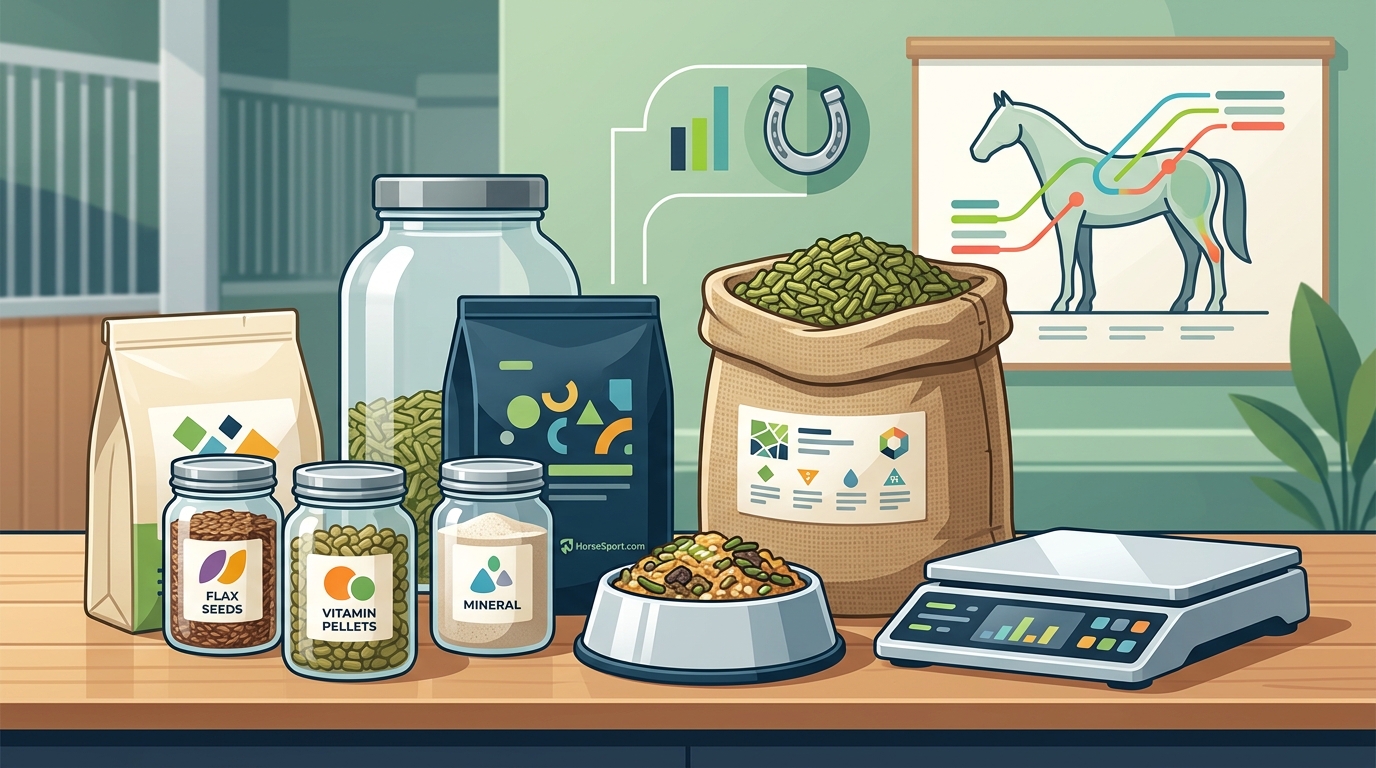
Nutritional Profiles Comparison
Understanding the differences between feed types helps in making informed decisions. The table below compares common energy sources for high-performance horses.
| Feed Type | Energy Source | Best For | Risk Factors |
|---|---|---|---|
| Alfalfa Hay | Protein/Fiber | Heavy work, growing horses | High calcium, potential colic if moldy |
| Grass Hay | Fiber | Maintenance, light work | Lower energy density |
| Vegetable Oil | Fat | Endurance, weight gain | Must be introduced slowly |
| High-Starch Grain | Starch | Quick energy (rarely recommended) | Laminitis, ulcers, colic |
Key Takeaways
- Forage must constitute at least 50% of the daily diet to maintain hindgut health.
- High-fat feeds are superior to high-starch grains for sustained energy in athletes.
- Electrolyte supplementation is mandatory for horses sweating heavily during competition.
- Gastric ulcers are prevalent in performance horses and are often linked to feeding schedules.
- Regular veterinary check-ups are essential for monitoring nutrient absorption and overall health.
- Transitioning diets must be done gradually over 7-10 days to prevent digestive upset.
- Water quality and availability are as critical as the feed itself for performance.
Frequently Asked Questions
How much forage should a high-performance horse eat?
A high-performance horse should consume at least 1.5% to 2% of its body weight in forage daily. This ensures adequate fiber intake for gut motility and acid buffering.
Can I replace grain with fat for energy?
Yes, fat is an excellent energy source. It provides more than twice the calories of carbohydrates per gram. However, it must be introduced gradually to allow the hindgut microbes to adapt.
What are the signs of electrolyte imbalance?
Signs include excessive sweating, muscle tremors, lethargy, and poor recovery after exercise. Immediate supplementation and hydration are required.
How do I manage ulcers in a performance horse?
Management involves frequent small meals, constant access to forage, and possibly veterinary-prescribed acid reducers. Stress reduction and proper turnout also play significant roles.
Is alfalfa better than grass hay for athletes?
Alfalfa offers higher protein and calcium, which can be beneficial for heavy work. However, grass hay provides a more balanced mineral profile. The choice depends on the specific nutritional needs of the individual horse.
When should I administer joint supplements?
Joint supplements are most effective when given consistently as a daily preventative measure. They work by supporting the synovial fluid and cartilage over time, rather than providing immediate pain relief.
How does pasture management affect nutrition?
Well-managed pastures provide fresh, nutrient-dense forage. Soil quality directly impacts the mineral content of the grass. Our article on The Science of Pasture Management details how to optimize soil health for better grazing.
Contact Horse Sport for Expert Advice
Navigating the complexities of equine nutrition requires expert guidance. Horse Sport is dedicated to providing independent, high-quality journalism and resources for the equestrian community. Whether you need advice on stable management or detailed nutritional plans, our team is here to help.
For more information on our services or to connect with our editorial team, please visit our Contact Us page. You can also explore our Canadian Stable Directory to find resources in your area.