
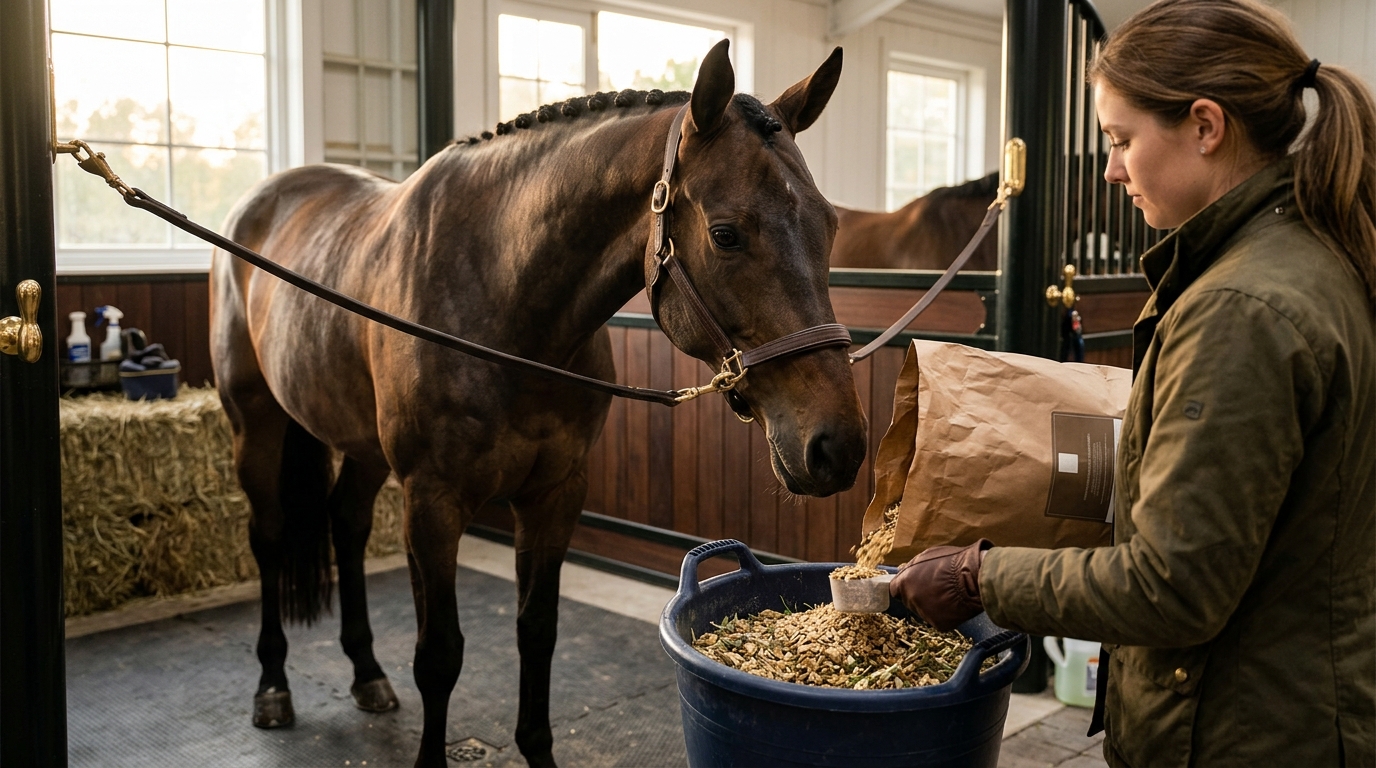
High-performance equine athletes demand nutritional strategies that go far beyond basic maintenance. According to recent industry data, elite horses can expend up to 10,000 calories per day during intense competition, requiring precise fueling to prevent metabolic crashes and ensure sustained power. This guide explores the critical components of equine nutrition for high-performance horses, drawing on expert insights from Horse Sport and leading veterinary research to help you optimize your horse's diet for peak condition.
The Forage Foundation
Forage is not just a filler; it is the engine of the equine digestive system. Fiber is the primary energy source for the hindgut microbes that break down complex carbohydrates into volatile fatty acids, which provide up to 70% of the resting horse's energy needs. For high-performance horses, the quality of forage determines the baseline health of the gut, which in turn dictates nutrient absorption efficiency.
When managing hard keepers or horses under heavy workloads, the type of forage matters significantly. Horse Sport frequently highlights the importance of forage-first approaches in their nutrition articles, emphasizing that digestive efficiency is often more critical than calorie density alone. Poor quality hay can lead to unstable blood sugar levels, causing behavioral issues and reduced athletic focus.
Consider the following forage options for different performance levels:
| Forage Type | Protein Content | Best For | Notes |
|---|---|---|---|
| Alfalfa Hay | 15-20% | Heavy work, breeding | High calcium, good for nervous horses |
| Grass Hay Mix | 8-12% | Maintenance, light work | Lower calorie, easier to manage weight |
| Chopped Forage | Variable | Reduced waste, easy digestion | Minimizes choke risk and sorting |
Research indicates that horses spending more time grazing naturally exhibit lower stress levels and improved gut motility. Integrating ways to encourage natural grazing situations, as discussed in Horse Sport's recent features, can significantly improve digestive health even for stall-bound athletes.
Energy-Dense Feeds and Fats
As exercise intensity increases, carbohydrate requirements shift. Starch overload is a primary cause of colic and laminitis in performance horses. Instead of relying on grain, modern equine nutrition favors fat as a dense, cool energy source. Fat provides 2.25 times more energy per gram than carbohydrates, making it ideal for horses that need to maintain weight without excessive bulk.
When selecting feeds, look for products that utilize extruded grains or oil-based energy sources. These formulations are designed to bypass the small intestine and digest in the hindgut, reducing the risk of acidosis. According to data from the Journal of Equine Veterinary Science, horses fed high-fat diets show improved endurance and reduced heart rate recovery times compared to high-starch counterparts.
Key considerations for energy feeds include:
- Oil Content: Look for feeds with at least 10% fat content for high-performance athletes.
- Protein Quality: Essential amino acids like lysine are critical for muscle repair after intense training.
- Fiber Digestibility: High-quality fiber sources ensure consistent energy release without spikes.
For more insights on putting weight back on a horse, refer to Horse Sport's detailed analysis on hard keepers and digestive efficiency.
Electrolyte Replacement Strategies
Sweat is not just water; it is a complex solution of salts. Electrolytes are essential for nerve transmission and muscle contraction. During heavy sweating, horses lose significant amounts of sodium, chloride, and potassium. Without replacement, this leads to dehydration, muscle cramps, and potentially life-threatening conditions like tying-up.
Effective electrolyte management requires more than just adding powder to water. Horse Sport notes that palatability is a major challenge, as horses may refuse to drink if the taste is too strong. To ensure compliance, mix electrolytes with molasses or feed them in a moist mash.
Timing is also crucial. Pre-loading electrolytes before a competition can help maintain hydration levels, while post-event replacement is vital for recovery. According to the American Association of Equine Practitioners, horses that are not replaced within two hours of intense exercise may experience prolonged fatigue and immune suppression.
Supplement Selection for Athletes
The supplement market is vast, but not all products are created equal. Joint health supplements often contain glucosamine and chondroitin, which support cartilage integrity. For high-performance horses, the bioavailability of these ingredients is paramount. Look for products that use hydrolyzed collagen or injectable-grade precursors.
Other critical supplements include:
- Omega-3 Fatty Acids: Reduce inflammation and support skin and coat health.
- Probiotics: Stabilize hindgut flora, especially during travel or competition stress.
- Antioxidants: Combat oxidative stress caused by intense aerobic exercise.
Always consult with a veterinarian before introducing new supplements. The Journal of Equine Veterinary Science emphasizes that individual horse responses can vary widely based on genetics and workload.
Hydration and Gut Health
Water is the most overlooked nutrient. Dehydration reduces blood volume, impairing oxygen delivery to muscles. A horse can lose up to 15% of its body weight in sweat during extreme exertion. Ensuring constant access to clean, fresh water is non-negotiable.
Strategies to improve hydration include:
- Adding warm water to hay during winter months.
- Offering soaked beet pulp or cubes for extra fluid intake.
- Monitoring urine color as a quick hydration check.
For more tips on summer health, check out Horse Sport's guide on summer tips from equine vets.
Key Takeaways
- Forage should constitute at least 50% of the diet for optimal gut health.
- Fat is a superior energy source for high-performance horses compared to starch.
- Electrolyte replacement must be timed before, during, and after exercise.
- Supplement quality varies; choose products with proven bioavailability.
- Hydration is critical for thermoregulation and muscle function.
- Individual horse needs vary based on breed, age, and workload.
- Regular veterinary check-ups are essential for monitoring nutritional status.
Frequently Asked Questions
How much water does a high-performance horse need?
A high-performance horse may need up to 30 gallons of water per day, especially in hot weather or during intense training.
What is the best source of energy for a competition horse?
Fat is often considered the best source of energy for competition horses due to its high caloric density and cool metabolism.
How do I know if my horse needs electrolytes?
Signs include excessive sweating, lethargy, and poor coat condition. Regular supplementation during competition seasons is recommended.
Can I feed alfalfa to a performance horse?
Yes, alfalfa is excellent for heavy work horses due to its high protein and calcium content, but it should be introduced gradually.
What are the signs of colic in performance horses?
Signs include pawing, looking at the flank, and rolling. Immediate veterinary attention is required.
How often should I change my horse's feed?
Feed changes should be made gradually over 7-10 days to prevent digestive upset.
Are probiotics necessary for competition horses?
Probiotics can help stabilize gut flora during travel and competition stress, reducing the risk of diarrhea.
Ready to Optimize Your Horse's Diet?
Proper nutrition is the foundation of athletic success. Whether you are preparing for a local show or an international competition, the right fuel can make all the difference. Visit Horse Sport for more expert advice, or contact us to discuss your specific needs. Explore our Canadian Stable Directory to find resources near you.