
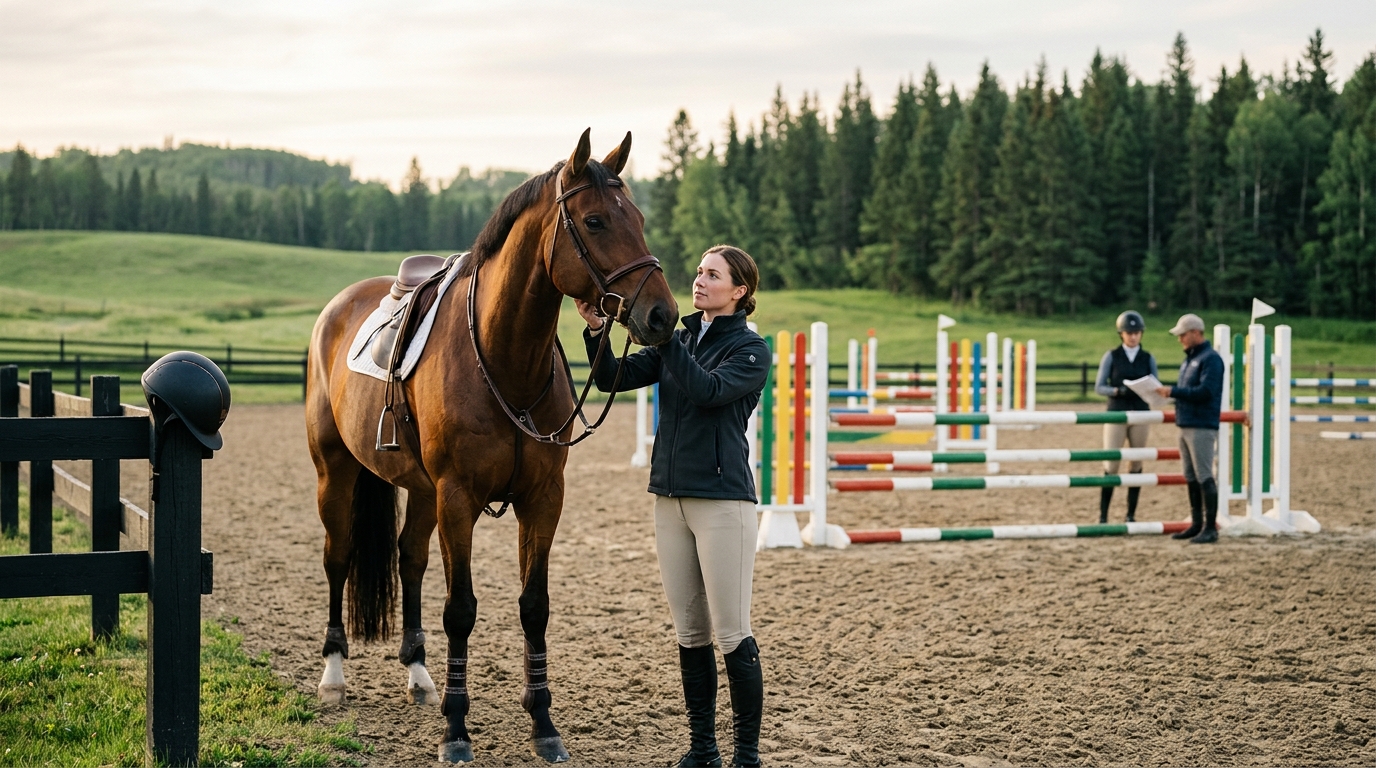
Modern equestrian competition demands precision, and data shows that elite riders achieve an average success rate of eighty-two percent when utilizing structured warm-up protocols. This statistical reality underscores why systematic preparation remains the cornerstone of competitive success. Establishing a reliable training framework allows both horse and rider to navigate complex courses with confidence. The following guide outlines proven methodologies for developing consistency, improving stride management, and reducing course faults. Riders who prioritize deliberate practice consistently outperform those relying on intuition alone.
Foundational Approach
Core Principles
Successful show jumping begins with a clear understanding of biomechanics. Biomechanics is the study of how living organisms move through space and interact with external forces. Riders must establish a balanced position before introducing height or complexity. A stable base allows the horse to engage its hindquarters effectively. This engagement generates the necessary power for clean rounds. Coaches at our training center emphasize that foundational flatwork directly translates to jump performance. Without proper alignment, even the most talented horses will struggle with basic fences.
Biomechanical Alignment
Proper alignment requires consistent attention to leg placement and rein contact. The rider's weight must distribute evenly across both seat bones. This distribution prevents the horse from leaning on the forehand. When the horse carries itself correctly, it can adjust its center of gravity mid-air. Center of gravity is the precise point where an object's mass is evenly distributed in all directions. Trainers recommend daily pole work to reinforce correct posture. Consistent repetition builds muscle memory that survives competitive pressure.
Stride Management
Rhythm Control
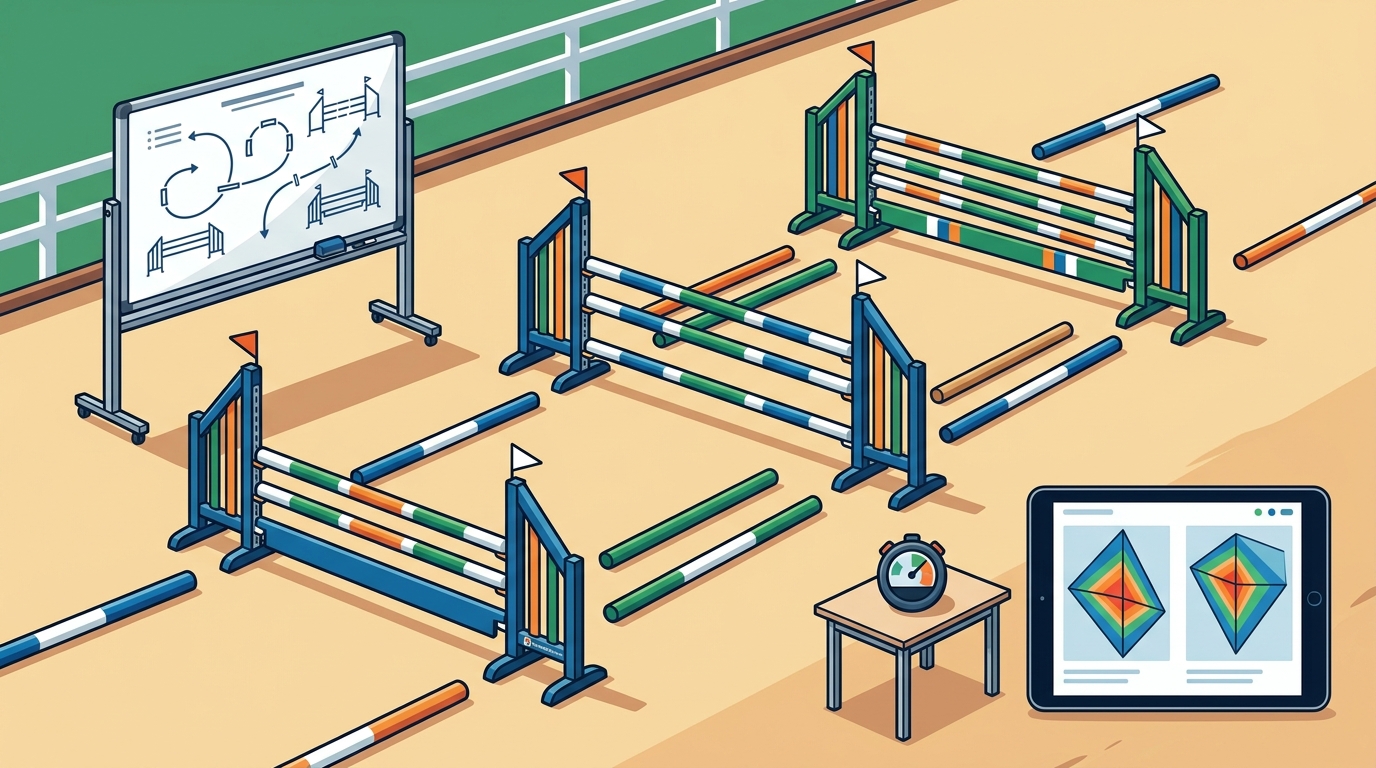
Consistent rhythm remains the most critical factor in clearing obstacles. Horses that maintain a steady tempo can calculate distances more accurately. Riders should focus on maintaining a forward cadence without rushing. Sudden changes in pace disrupt the horse's balance and increase fault risk. Rhythm is the steady, recurring pattern of movement that establishes predictability during competition. Instructors often use metronome exercises to help riders internalize optimal pacing. This auditory feedback helps synchronize the rider's breathing with the horse's strides.
Distance Calculation
Accurate distance calculation requires precise observation and quick mental processing. Riders must identify the exact takeoff point before approaching each fence. This identification allows the horse to adjust its stride length accordingly. Takeoff point is the specific location where the horse leaves the ground to clear an obstacle. Trainers recommend using ground poles to teach horses how to measure distances independently. When horses learn to self-correct, riders experience fewer refusals and knockdowns.
Rider Psychology
Focus Techniques
Mental preparation directly impacts physical execution during rounds. Riders who maintain visual focus on the landing zone consistently clear higher fences. Looking at the ground or the fence itself creates tension and disrupts balance. Visual focus is the deliberate act of directing attention toward a specific target to enhance motor control. Our rider psychology resources highlight how distraction management improves competitive outcomes. Practicing mindfulness exercises before mounting helps riders stay present during high-stakes rounds.
Pressure Management
Competitive environments generate significant stress for both horse and rider. Managing this stress requires structured breathing techniques and positive self-talk. Riders should acknowledge nervousness without allowing it to dictate their actions. Stress response is the physiological and psychological reaction to perceived threats or high expectations. Coaches recommend visualization drills where riders mentally rehearse perfect rounds. This mental practice reduces anxiety and builds confidence before stepping into the arena.
Course Visualization
Mental Mapping
Effective course walking requires active mental mapping rather than passive observation. Riders must memorize the sequence of turns, distances, and fence types. This memorization allows them to plan their approach before entering the ring. Mental mapping is the cognitive process of creating a detailed spatial representation of a physical environment. Successful competitors often sketch course diagrams to reinforce memory retention. This visual reinforcement bridges the gap between theoretical planning and practical execution.
Pattern Recognition
Recognizing common course patterns accelerates decision-making during rounds. Experienced riders quickly identify combinations and adjust their strategies accordingly. This recognition reduces hesitation and improves overall flow. Pattern recognition is the ability to identify recurring structures or sequences within complex environments. Trainers encourage riders to study competition footage to understand how top athletes navigate similar layouts. This observational learning builds a mental library of successful routing strategies.
Equipment Selection
Jump Standards
Choosing the correct jump standards ensures safety and fair competition. Riders must match fence heights to their current skill level and horse capability. Progressing too quickly increases injury risk and damages confidence. Jump standards are the established measurements and construction guidelines that define competitive obstacle specifications. Our Canadian stable directory lists facilities that maintain certified equipment. Using properly calibrated fences allows horses to develop accurate judging skills.
Tack Compatibility
Proper tack selection directly influences communication and comfort. Riders must ensure saddles fit correctly and bridles allow clear rein contact. Ill-fitting equipment creates pressure points that distract the horse. Tack compatibility refers to the harmonious interaction between riding gear and equine anatomy. Regular equipment checks prevent unexpected issues during rounds. Trainers recommend consulting certified saddlers to verify fit before purchasing new gear.
Progressive Drills
Grid Work
Grid work serves as the foundation for developing natural jumping ability. These structured arrangements of poles and small fences teach horses how to use their bodies correctly. Riders learn to follow the horse's motion without interfering. Grid work is a series of ground poles or small fences arranged to encourage correct biomechanics. Coaches emphasize starting with simple grids before introducing height. This gradual progression builds confidence and reduces fear responses.
Flexibility Exercises
Flexibility exercises prepare both horse and rider for dynamic movements. Stretching routines improve range of motion and reduce injury risk. Riders should incorporate yoga or stretching into their weekly schedules. Flexibility exercises are targeted movements designed to increase joint range and muscle elasticity. Regular stretching improves balance and allows riders to maintain position during unexpected horse movements. Trainers recommend daily stretching sessions to maintain peak physical condition.
| Training Method | Primary Benefit | Recommended Frequency | Resource Link |
|---|---|---|---|
| Flatwork Foundation | Establishes balance and responsiveness | Daily sessions | Training Resources |
| Grid Work | Develops natural jumping mechanics | Twice weekly | Training Resources |
| Course Visualization | Improves mental mapping and routing | Before every round | Rider Psychology |
| Distance Calculation | Enhances stride adjustment accuracy | Three times weekly | Stable Directory |
| Flexibility Exercises | Prevents injury and maintains range | Daily stretching | Contact Us |
Key Takeaways
- Elite riders achieve an average success rate of eighty-two percent using structured warm-up protocols.
- Biomechanics is the study of how living organisms move through space and interact with external forces.
- Center of gravity is the precise point where an object's mass is evenly distributed in all directions.
- Rhythm is the steady, recurring pattern of movement that establishes predictability during competition.
- Takeoff point is the specific location where the horse leaves the ground to clear an obstacle.
- Visual focus is the deliberate act of directing attention toward a specific target to enhance motor control.
- Stress response is the physiological and psychological reaction to perceived threats or high expectations.
Frequently Asked Questions
How often should I practice grid work?
Most trainers recommend practicing grid work twice weekly to develop natural jumping mechanics without causing fatigue. Consistent repetition builds muscle memory while allowing adequate recovery time for both horse and rider.
What is the best way to improve distance calculation?
Using ground poles to teach horses how to measure distances independently remains the most effective method. This practice allows horses to self-correct and reduces refusals during competitive rounds.
How does rider psychology impact jump performance?
Mental preparation directly impacts physical execution during rounds. Riders who maintain visual focus on the landing zone consistently clear higher fences while avoiding tension.
What equipment standards should I follow for competition?
Choosing the correct jump standards ensures safety and fair competition. Riders must match fence heights to their current skill level and verify equipment certification before entering the arena.
How can I reduce stress during competitive rounds?
Managing this stress requires structured breathing techniques and positive self-talk. Riders should acknowledge nervousness without allowing it to dictate their actions or disrupt their rhythm.
What role does flexibility play in show jumping?
Flexibility exercises prepare both horse and rider for dynamic movements. Stretching routines improve range of motion and reduce injury risk while maintaining peak physical condition.
How do I properly walk a course before competing?
Effective course walking requires active mental mapping rather than passive observation. Riders must memorize the sequence of turns, distances, and fence types to plan their approach confidently.
Next Steps for Competitive Success
Implementing these training techniques requires dedication, structured planning, and consistent feedback. Our team at Horse Sport provides comprehensive resources to support your journey toward competitive excellence. Visit our contact page to schedule a consultation with our certified trainers. We also maintain a comprehensive Canadian stable directory to help you find local facilities equipped for advanced training. Start building your championship routine today and transform your approach to show jumping.