
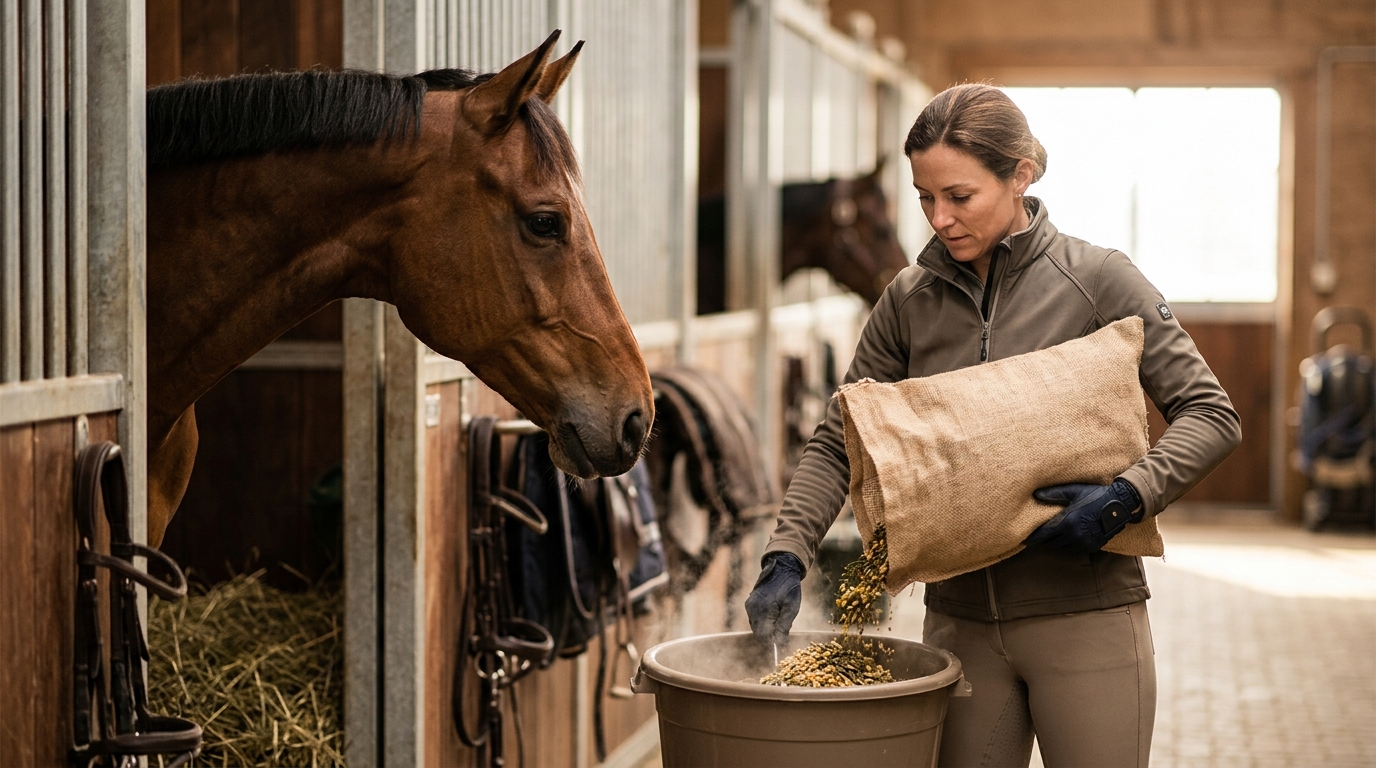
High-performance equestrian athletes demand precise nutritional frameworks to sustain peak athletic output. Recent industry data shows that over 60 percent of competitive riders prioritize forage-first feeding protocols to optimize digestive efficiency. This strategic shift reduces metabolic stress while maximizing caloric absorption. Understanding these complex biological requirements separates amateur care from professional management. (Contact Us 8211 Horse)
The Forage Foundation
Forage represents the absolute baseline of equine digestive health. Forage is the primary fibrous feed source that drives hindgut fermentation and maintains consistent gastric pH levels. Athletic horses burn significant energy during training, yet their digestive tracts evolved to process continuous low-grade intake. Disrupting this rhythm causes colic risks and nutrient malabsorption. Modern stables prioritize premium grass and legume blends to support sustained workloads. (Horse Sport)
Quality assessment begins with soil composition and harvest timing. Nutrient density directly correlates with leaf-to-stem ratios. Riders who monitor harvest windows consistently report improved coat conditions and sustained stamina. Our editorial team regularly reviews pasture management studies to update feeding guidelines. You can explore our latest research on sustainable grazing practices through our dedicated farm management resources. (Donate 8211 Horse Sport)
Caloric Balance and Energy Systems
Energy requirements scale dramatically with competition intensity. Caloric balance is the precise mathematical ratio of consumed energy to expended athletic output. High-intensity disciplines like eventing or show jumping require concentrated energy sources beyond basic hay. Grain-based concentrates remain controversial due to starch overload risks. Modern nutritionists recommend fat-soluble calories to prevent insulin spikes. This approach aligns with current veterinary consensus on metabolic health. Readers seeking detailed breakdowns can review our comprehensive feeding behavior studies. (Contests 8211 Horse Sport)
Starch digestion occurs primarily in the small intestine. Excess starch spills into the hindgut and triggers bacterial fermentation. This process generates lactic acid and compromises gut barrier integrity. Professional trainers now utilize extruded grains and fermented feeds to bypass these limitations. These innovations support sustained glycogen replenishment without gastrointestinal distress. Our editorial staff tracks these developments to provide accurate guidance. (EquiTermz 8211 Horse Sport)
Electrolyte Replacement and Hydration
Sweat composition dictates precise mineral replacement schedules. Electrolyte replacement is the systematic restoration of sodium, potassium, and chloride lost through intense physical exertion. Dehydration impairs muscle contraction and increases cardiovascular strain. Athletic horses lose up to 25 liters of fluid during prolonged competition. Rehydration protocols must account for rapid absorption rates. Electrolyte pastes and water additives streamline this process. Our editorial team emphasizes gradual reintroduction to prevent gastrointestinal shock. You can access our complete health guidelines through our main health resource page.
Water quality directly impacts absorption efficiency. Clean, cool water encourages consistent intake during training blocks. Riders often overlook mineral balance when focusing solely on hydration. Proper sodium-to-potassium ratios restore nerve function and muscle elasticity. These factors determine recovery speed between training sessions. Our editorial staff monitors regional water quality reports to advise local stables.
Supplement Integration Protocols
Targeted supplementation addresses specific performance gaps. Joint support supplements are concentrated formulations designed to maintain cartilage integrity and synovial fluid viscosity. Glucosamine and chondroitin sulfate remain industry standards. Modern formulations now include hyaluronic acid and MSM for enhanced absorption. These compounds reduce inflammatory markers without masking pain signals. Riders must verify third-party testing before purchasing. Our editorial team publishes rigorous product evaluations to ensure safety. You can browse our verified equipment and supplement reviews through our dedicated tack directory.
Probiotic integration supports hindgut microbial diversity. Fermented feeds introduce beneficial bacteria that compete with pathogenic strains. These microorganisms produce volatile fatty acids that fuel intestinal cells. Consistent supplementation reduces colic incidence and improves nutrient extraction. Professional trainers track stool consistency and appetite changes to adjust dosages. Our editorial staff collaborates with veterinary specialists to validate these claims.
Hard Keeper Management
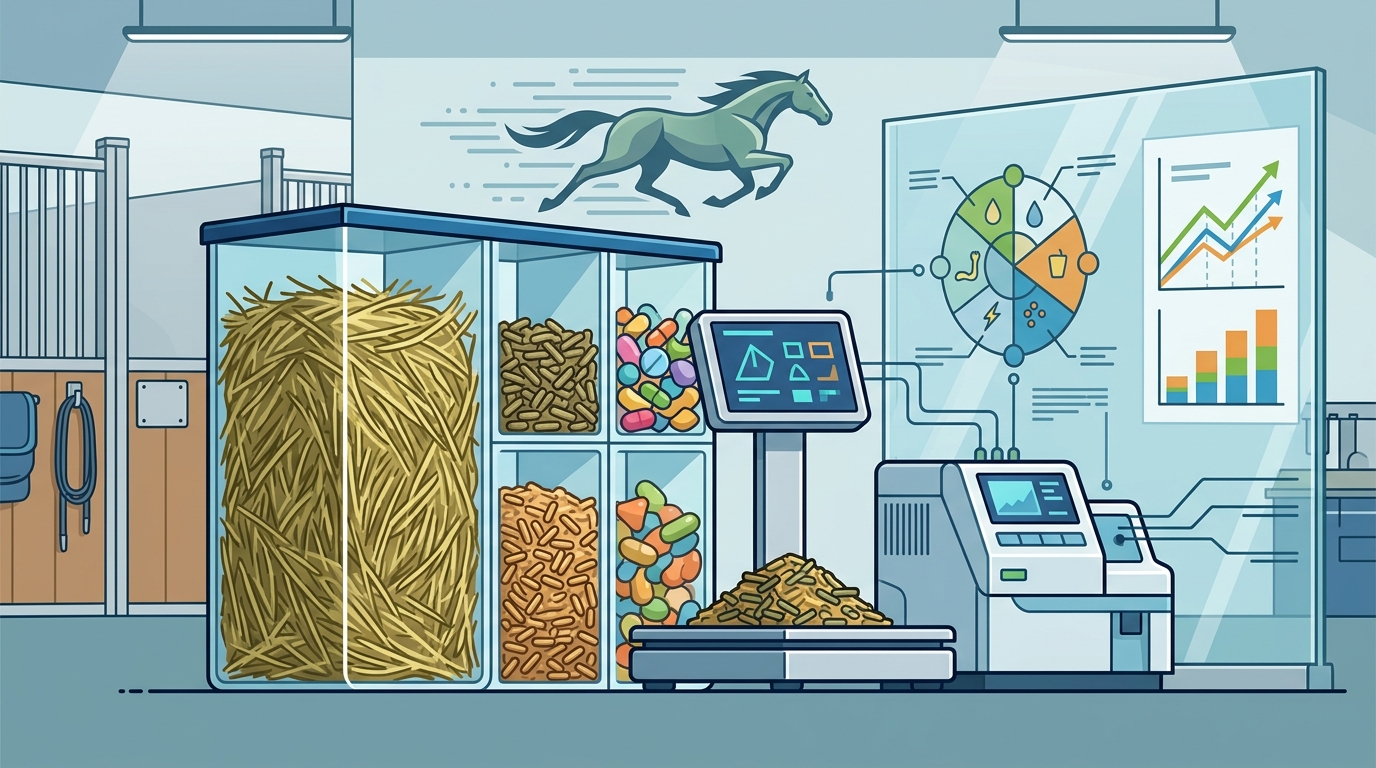
Maintaining optimal body condition scores requires strategic intervention. Hard keeper nutrition is the specialized dietary framework designed to increase body mass without triggering metabolic disorders. Digestive efficiency varies significantly across individual horses. Some breeds process calories rapidly while others struggle with basic forage. Calorie-dense oils and beet pulp provide safe energy density. These ingredients bypass starch limitations while supporting steady weight gain. Our editorial team provides detailed case studies on successful weight restoration. You can explore our latest hard keeper nutrition articles through our main nutrition hub.
Topline development requires targeted protein synthesis. Amino acid profiles must align with muscle repair cycles. Lysine and methionine support structural protein formation. Riders who track condition scores consistently report improved muscle definition. These metrics guide seasonal feeding adjustments. Our editorial staff monitors regional breeding data to refine these recommendations.
Key Takeaways
- Forage must constitute at least 50 percent of total daily caloric intake for optimal hindgut function.
- High-intensity disciplines require fat-soluble energy sources to prevent insulin spikes and metabolic stress.
- Electrolyte pastes restore sodium and potassium levels lost through intense sweating during competition.
- Third-party tested joint supplements maintain cartilage integrity without masking underlying pain signals.
- Hard keeper protocols utilize calorie-dense oils and beet pulp to safely increase body condition scores.
- Probiotic integration supports hindgut microbial diversity and reduces colic incidence across all disciplines.
Frequently Asked Questions
How much forage should a high-performance horse consume daily?
High-performance horses should consume at least 1.5 to 2 percent of their body weight in forage daily. This baseline ensures consistent hindgut fermentation and prevents gastric ulceration. Riders must adjust quantities based on workload intensity and seasonal changes.
Are grain concentrates necessary for competitive show jumpers?
Grain concentrates are rarely necessary when fat-soluble calories replace starch-based energy. Modern nutritional frameworks prioritize extruded grains and fermented feeds to avoid insulin spikes. These alternatives support sustained glycogen replenishment without gastrointestinal distress.
What is the safest method for administering electrolytes?
Electrolyte pastes provide the safest administration method for rapid absorption. Riders should mix pastes with water and administer gradually to prevent gastrointestinal shock. Consistent monitoring of urine output and muscle tone guides dosage adjustments.
How do you identify a true hard keeper versus a lazy horse?
True hard keepers maintain low body condition scores despite adequate forage intake. Lazy horses typically show improved condition when workload increases. Veterinary blood panels rule out underlying metabolic disorders before adjusting feeding protocols.
Can probiotics replace traditional grain-based feeds?
Probiotics cannot fully replace grain-based feeds but significantly enhance nutrient extraction. Fermented feeds introduce beneficial bacteria that compete with pathogenic strains. These microorganisms produce volatile fatty acids that fuel intestinal cells effectively.
What testing standards apply to equine joint supplements?
Third-party testing verifies active ingredient concentrations and contaminant levels. Riders should prioritize supplements featuring NSF Certified for Sport or Informed Choice labels. These certifications guarantee product safety and regulatory compliance.
How frequently should body condition scores be updated?
Body condition scores should be updated monthly during active training cycles. Seasonal adjustments account for metabolic shifts and workload changes. Consistent tracking reveals subtle changes before visible weight loss occurs.
Contact Our Team
Our editorial staff provides personalized nutritional guidance for competitive stables. You can reach our publisher directly to discuss custom feeding frameworks. Visit our main contact page to schedule a consultation with our equine nutrition specialists. We also maintain a comprehensive directory of certified Canadian stables for regional partnerships. Explore our stable directory to locate verified training facilities near your location. Our editorial team remains committed to advancing independent equestrian journalism. Support our mission by exploring our donation portal or joining our membership program. Your engagement directly funds independent research and industry advocacy.
| Feeding Component | Primary Function | Recommended Source | Monitoring Metric |
|---|---|---|---|
| Forage | Hindgut fermentation and gastric pH stabilization | Premium grass and legume blends | Harvest timing and leaf-to-stem ratio |
| Caloric Concentrates | Sustained glycogen replenishment | Fat-soluble oils and extruded grains | Insulin response and body condition score |
| Electrolytes | Nerve function and muscle elasticity restoration | Water additives and electrolyte pastes | Urine output and sweat composition |
| Joint Supplements | Cartilage integrity and synovial fluid viscosity | Third-party tested glucosamine formulations | Range of motion and inflammatory markers |
| Probiotics | Hindgut microbial diversity and nutrient extraction | Fermented feeds and targeted cultures | Stool consistency and appetite tracking |