
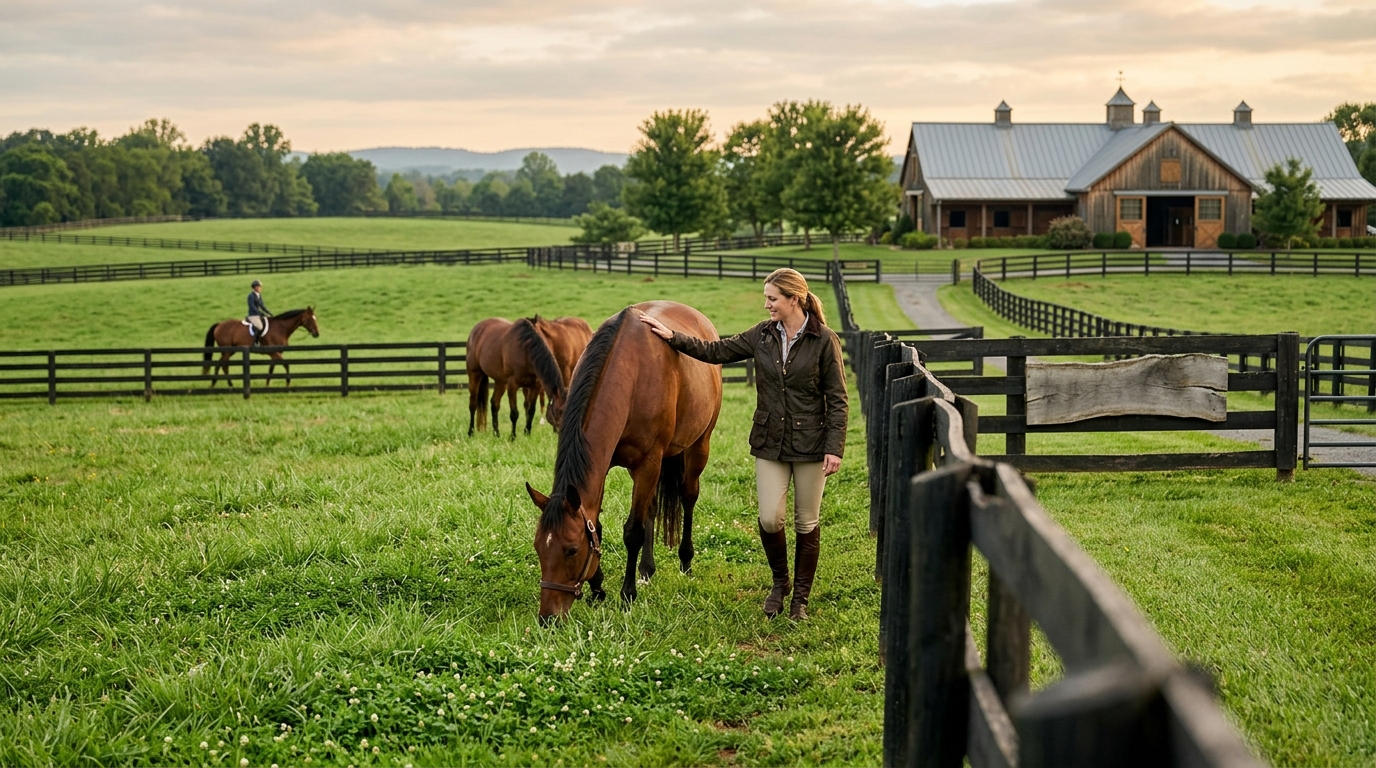
Proper land stewardship directly impacts equine health and operational efficiency. Recent agricultural reports indicate that well-managed grazing systems can reduce supplemental feeding costs by nearly thirty percent while improving overall herd vitality. Farmers who prioritize soil composition and plant diversity consistently report stronger hoof development and fewer digestive complications. This comprehensive guide outlines the essential protocols for establishing sustainable grazing environments. You will learn how to balance vegetation recovery with livestock demand. Implementing these strategies ensures long-term profitability and animal welfare.
Soil Foundation and Nutrient Cycling
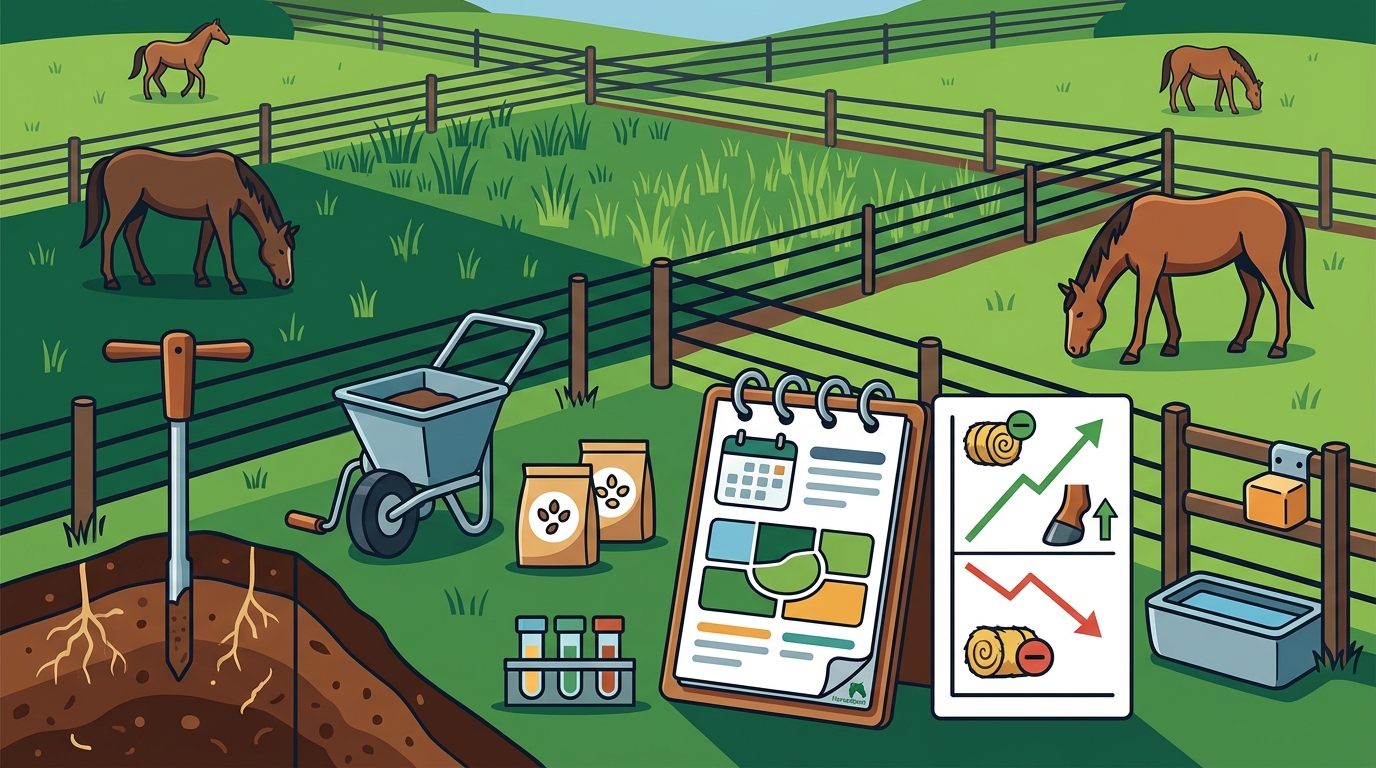
Soil fertility refers to the capacity of earth to support plant growth by maintaining essential nutrients and organic matter. Testing your ground composition annually reveals nitrogen, phosphorus, and potassium levels. You must adjust fertilizer applications based on these baseline readings. Overapplication causes runoff pollution and toxic plant growth. Underapplication stunts root development and reduces forage yield. Regular soil sampling prevents costly guesswork and optimizes land productivity.
Organic matter decomposition drives long-term pasture resilience. Compost application introduces beneficial microbes that break down tough plant fibers. These microorganisms release trapped nutrients during active growing seasons. You should monitor pH levels to ensure optimal absorption rates. Most equine pastures thrive between six point zero and seven point zero on the acidity scale. Adjusting lime applications corrects acidic conditions and promotes robust root systems.
Rotational Grazing Systems
Rotational grazing is a systematic land management technique that divides pastures into smaller paddocks to allow vegetation recovery. This method prevents overgrazing and reduces parasite load across the herd. You must calculate paddock sizes based on total livestock weight and seasonal growth rates. Smaller divisions force animals to graze evenly without damaging root crowns. Rest periods typically range from twenty-one to thirty-five days depending on regional climate conditions.
Monitoring grass height ensures optimal nutritional value. You should move livestock when forage reaches approximately four inches. Allowing plants to drop below two inches depletes energy reserves and increases disease susceptibility. Consistent movement patterns also distribute manure naturally across the landscape. This natural fertilization reduces synthetic fertilizer requirements and lowers operational expenses.
Forage Balance and Weed Control
Forage diversity describes a mixed planting strategy that combines grasses and legumes to maximize nutritional intake for livestock. Clover and alfalfa fix atmospheric nitrogen into the soil while providing high-protein forage. You must balance these legumes with cool-season grasses like orchard grass and tall fescue. Excessive legume growth causes digestive upset and founder in sensitive animals. Regular mowing maintains uniform height and prevents seed head maturation.
Targeted weed management protects grazing quality and animal safety. Poison hemlock and ragwort contain toxic alkaloids that cause fatal liver damage. You should identify invasive species early and apply targeted herbicide treatments. Manual removal works best for small infestations and prevents chemical runoff. Maintaining dense turf naturally suppresses weed germination and reduces maintenance costs.
Water Source Integration
Accessible clean water remains the most critical component of any grazing operation. Horses consume approximately eight to twelve gallons daily depending on temperature and workload. You must install multiple watering stations to prevent overgrazing near single sources. Concentrated traffic around troughs creates muddy patches that destroy root systems and spread parasites. Spacing water points evenly encourages even grazing distribution across the entire property.
Regular trough maintenance prevents bacterial growth and equipment failure. You should inspect plumbing lines for leaks and freeze damage during winter months. Automatic waterers reduce labor requirements and maintain consistent flow rates. Filtering systems remove sediment and improve overall water quality. Clean water sources directly correlate with improved digestion and coat condition.
Seasonal Maintenance Routines
Climate variations dictate specific management adjustments throughout the calendar year. Spring growth requires careful monitoring to prevent lush grass toxicity. You should limit initial grazing sessions to thirty minutes and gradually increase duration. Summer drought conditions demand supplemental hay and reduced stocking densities. You must adjust herd sizes to match available forage production during dry spells.
Winter preparation focuses on soil protection and equipment storage. You should avoid grazing pastures during freezing conditions to prevent root damage. Mowing schedules shift to late summer to encourage seed production and ground cover. Storing machinery indoors prevents rust and extends equipment lifespan. Consistent seasonal planning ensures year-round pasture productivity and reduces emergency feeding costs.
Infrastructure and Equipment Upgrades
Modern fencing solutions prioritize animal safety and long-term durability. Electric tape and polywire provide visible barriers that deter browsing without causing injury. You must inspect fence lines weekly to repair broken strands and loose posts. Wooden fences require regular staining and post replacement to prevent rot. Upgrading to high-tensile wire reduces maintenance frequency and improves boundary security.
Shelter structures protect livestock from extreme weather and UV exposure. Run-in sheds provide essential windbreaks during winter storms and summer heatwaves. You should position structures near water sources to encourage consistent usage. Proper ventilation prevents respiratory issues and reduces mold spore accumulation. Investing in quality infrastructure minimizes long-term replacement costs and improves animal welfare.
Strategic Management Options
| Management Strategy | Primary Benefit | Implementation Complexity | Resource Requirement |
|---|---|---|---|
| Rotational Paddock Division | Prevents overgrazing and parasite accumulation | Moderate | Fencing supplies |
| Annual Soil Testing | Optimizes nutrient absorption and pH balance | Low | Lab kits |
| Targeted Weed Removal | Eliminates toxic alkaloid exposure risks | Moderate | Herbicides |
| Automated Water Systems | Reduces labor and maintains consistent flow | High | Plumbing parts |
Key Takeaways
- Well-managed grazing systems reduce supplemental feeding costs by nearly thirty percent.
- Soil pH levels between six point zero and seven point zero optimize nutrient absorption.
- Rotational paddock rest periods typically range from twenty-one to thirty-five days.
- Horses consume approximately eight to twelve gallons of water daily during active seasons.
- Targeted weed management prevents fatal alkaloid toxicity in sensitive livestock.
- Consistent seasonal planning ensures year-round pasture productivity and reduces emergency expenses.
Frequently Asked Questions
How often should I test my pasture soil?
You should conduct comprehensive soil tests every twelve to eighteen months. Annual testing captures nutrient fluctuations and guides precise fertilizer applications. Regular sampling prevents costly guesswork and optimizes land productivity.
What is the ideal grass height for grazing?
Optimal grazing height ranges between four and six inches. Moving livestock at this threshold preserves root energy reserves. Allowing plants to drop below two inches depletes growth capacity.
How do I prevent parasite buildup in pastures?
Rotational grazing breaks parasite life cycles by removing hosts before egg maturation. You should alternate grazing species and maintain strict rest periods. Manure removal further reduces larval exposure across the property.
When is the best time to overseed damaged pastures?
Early fall provides ideal moisture and temperature conditions for seed germination. You should aerate compacted soil before broadcasting new seed varieties. Raking ensures proper seed-to-soil contact and improves establishment rates.
How many water stations do I need per acre?
One water station per five to ten acres prevents overgrazing near sources. You should space troughs evenly to encourage uniform distribution. Concentrated traffic around single points creates destructive muddy patches.
What fencing material works best for large pastures?
High-tensile wire offers durability and visibility for extensive grazing areas. You should combine smooth wire with electric polytape for clear boundaries. Regular inspections prevent sagging and maintain consistent tension across miles.
How do I manage toxic plants like poison hemlock?
Early identification allows targeted herbicide application or manual removal. You should avoid grazing areas containing known toxic species. Dense turf naturally suppresses weed germination and reduces maintenance requirements.
Next Steps for Your Property
Implementing these pasture management protocols requires careful planning and consistent execution. You can access our comprehensive Canadian Stable Directory to locate regional experts and equipment suppliers. Visit our Farm of the Week features for real-world case studies and inspiration. Review our EquiTermz glossary for precise industry definitions. Contact our editorial team directly to discuss custom land management strategies. Schedule a consultation today and transform your grazing land into a sustainable, high-yield asset.