
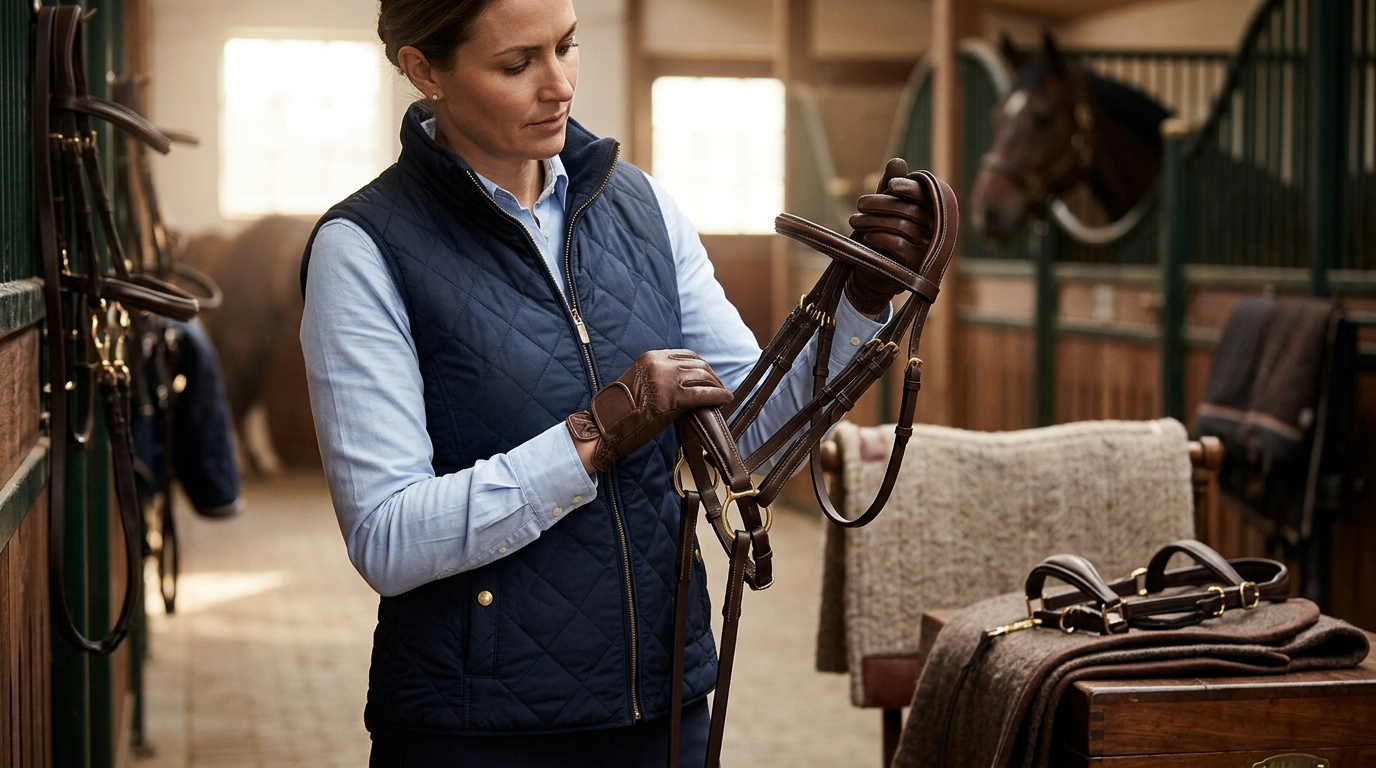
According to recent industry reports, over 60 percent of riding injuries stem from equipment failure rather than rider error. This data shows that selecting reliable gear directly impacts both safety and performance. Evaluating different horse tack brands requires a systematic approach to material inspection, stitching integrity, and ergonomic design. You must prioritize brands that transparently disclose their manufacturing processes and material sourcing. This guide breaks down the exact evaluation framework used by professional equestrians and stable managers.
Material Assessment
Tack evaluation is the systematic inspection of equipment materials and construction methods to verify safety compliance. You should always begin by examining the primary substrate. Full-grain leather remains the industry standard for bridles and girths because it develops structural memory over time. Synthetic alternatives often utilize ballistic nylon or reinforced neoprene for weather resistance. Check the manufacturer specifications for fiber density and tensile strength ratings. Tack equipment manufacturers that publish material source documentation typically demonstrate higher quality control standards. You must verify that padding materials resist compression degradation after repeated washing cycles.
Stitching and Construction
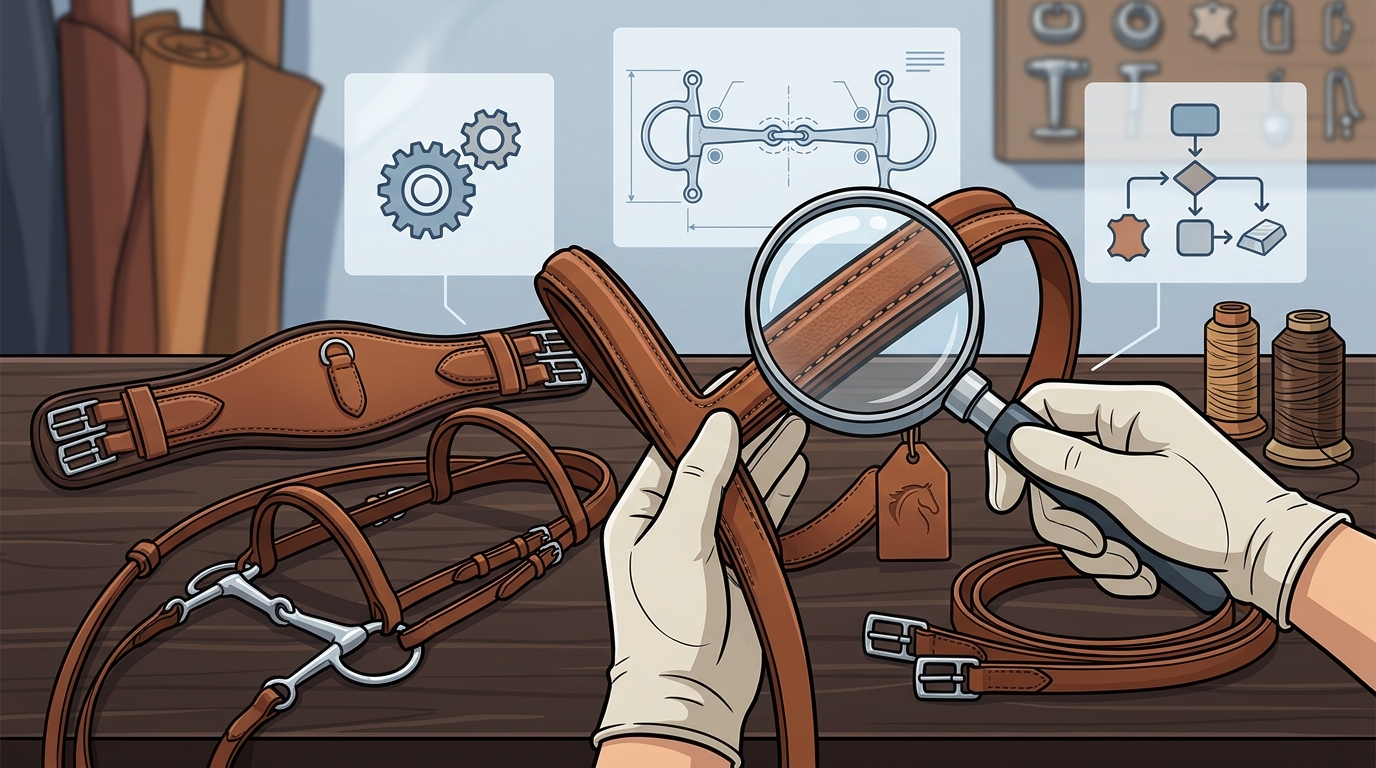
Bridle assessment is the process of measuring strap tension and buckle alignment against equine anatomical standards. Inspect every seam for uniform stitch spacing and reinforced stress points. High-quality brands utilize waxed polyester thread to prevent moisture absorption and rot. Examine buckle placement to ensure it distributes pressure evenly across the poll and jawline. Training facilities consistently report that poorly aligned buckles cause chronic irritation and behavioral resistance. Look for reinforced bar tacking at stress junctions and double-stitched edges. Avoid products that rely solely on adhesive bonding for structural integrity.
Ergonomic Fitting Standards
Leather grading is the classification of hide thickness and grain density to determine long-term durability. Evaluate how the equipment conforms to standard equine head and back measurements. Quality brands design adjustable components that accommodate anatomical variations without compromising structural rigidity. Test the flexibility of nosebands and cheekpieces to ensure they do not restrict natural jaw movement. Health guidelines emphasize that restrictive tack directly correlates with elevated cortisol levels and compromised respiratory function. Verify that padding contours match standard wither and poll topography. Adjustable straps should feature smooth-operating hardware that resists accidental loosening during active movement.
Brand Transparency Verification
Reputable manufacturers provide detailed care instructions and warranty documentation alongside their product listings. You should verify whether the brand offers replacement parts for discontinued models. Transparent companies publish their supply chain ethics and environmental compliance certifications. Canadian stable directory listings frequently highlight brands that maintain long-term customer support networks. Check for third-party testing results regarding slip resistance and impact absorption. Brands that openly share their quality assurance protocols typically stand behind their products with comprehensive return policies.
Cost Versus Lifecycle Analysis
Initial purchase price rarely reflects long-term value without proper lifecycle calculations. Calculate the amortized cost per riding season by dividing the retail price by expected usage years. Premium leather requires regular conditioning but often outlasts synthetic alternatives by a factor of three. Synthetic gear demands less maintenance but typically degrades faster under intense UV exposure. Farm of the week features consistently demonstrate that proper maintenance schedules drastically extend equipment lifespan. Compare warranty coverage periods and repair service availability before finalizing your purchase. Budget constraints should never override critical safety thresholds.
| Equipment Category | Primary Material Standard | Expected Lifespan | Recommended Brand Tier |
|---|---|---|---|
| Bridles and Reins | Full-grain vegetable-tanned leather | 5 to 8 years | Premium certified suppliers |
| Saddles and Pads | Hand-stitched tree leather | 10 to 15 years | Specialized equestrian outfitters |
| Girths and Surcingle | Wool blend or neoprene core | 3 to 5 years | Mid-tier performance brands |
| Protective Boots | Impact-absorbing synthetic foam | 2 to 4 years | Specialized equestrian outfitters |
| Bit and Mouthpieces | Stainless steel or sweet iron | 3 to 6 years | Premium certified suppliers |
Key Takeaways
- Full-grain leather remains the gold standard for structural integrity and long-term durability.
- Waxed polyester thread prevents moisture absorption and seam degradation during active riding.
- Reinforced bar tacking at stress junctions significantly reduces equipment failure rates.
- Transparent warranty policies and replacement part availability indicate manufacturer confidence.
- Proper maintenance schedules extend premium equipment lifespan by up to 200 percent.
- Third-party impact absorption testing validates safety compliance for protective gear.
- Adjustable hardware must operate smoothly without compromising structural rigidity.
Frequently Asked Questions
How do I identify genuine leather versus synthetic substitutes?
Genuine leather exhibits natural grain variations and develops a distinct patina over time. Synthetic materials often display perfectly uniform textures and lack organic scent. Always request material composition certificates from the manufacturer before purchasing.
What stitching pattern indicates superior construction quality?
Uniform saddle stitching with waxed thread provides maximum tensile strength and moisture resistance. Machine lock stitching often fails under extreme tension and stress. Inspect seam spacing to ensure consistent tension distribution across all load-bearing points.
How often should I replace riding equipment to maintain safety?
Professional guidelines recommend annual inspections for high-use items like bridles and girths. Saddles require professional tree integrity checks every 18 months. Replace any equipment showing visible fraying, cracked leather, or compromised hardware immediately.
Do synthetic tack materials perform adequately for competitive disciplines?
Modern synthetic blends offer excellent weather resistance and require minimal maintenance. They often provide superior slip resistance during wet conditions. However, they typically lack the structural memory and longevity of premium leather alternatives.
What warranty coverage should I expect from reputable manufacturers?
Premium brands typically offer lifetime structural warranties covering manufacturing defects. Mid-tier manufacturers often provide 1 to 3 year coverage periods. Always verify whether warranty claims require original purchase receipts and professional inspection reports.
How does proper tack maintenance impact long-term equipment value?
Regular conditioning and proper storage prevent premature cracking and hardware corrosion. Brands that publish detailed care protocols typically produce more durable products. Consistent maintenance routines can extend equipment lifespan by 50 to 100 percent.
What specific hardware features indicate superior manufacturing standards?
Stainless steel or brass buckles with reinforced rivets prevent corrosion and structural failure. Smooth-operating quick-release mechanisms ensure rapid emergency adjustments. Always verify that hardware finishes resist scratching and maintain structural integrity after repeated use.
Next Steps
Implementing this evaluation framework will significantly reduce equipment failure risks and enhance overall riding safety. You can now access our comprehensive equipment guides and connect directly with certified equestrian suppliers. Visit our main portal to explore verified brand partnerships and schedule professional fitting consultations. https://horsesport.com