
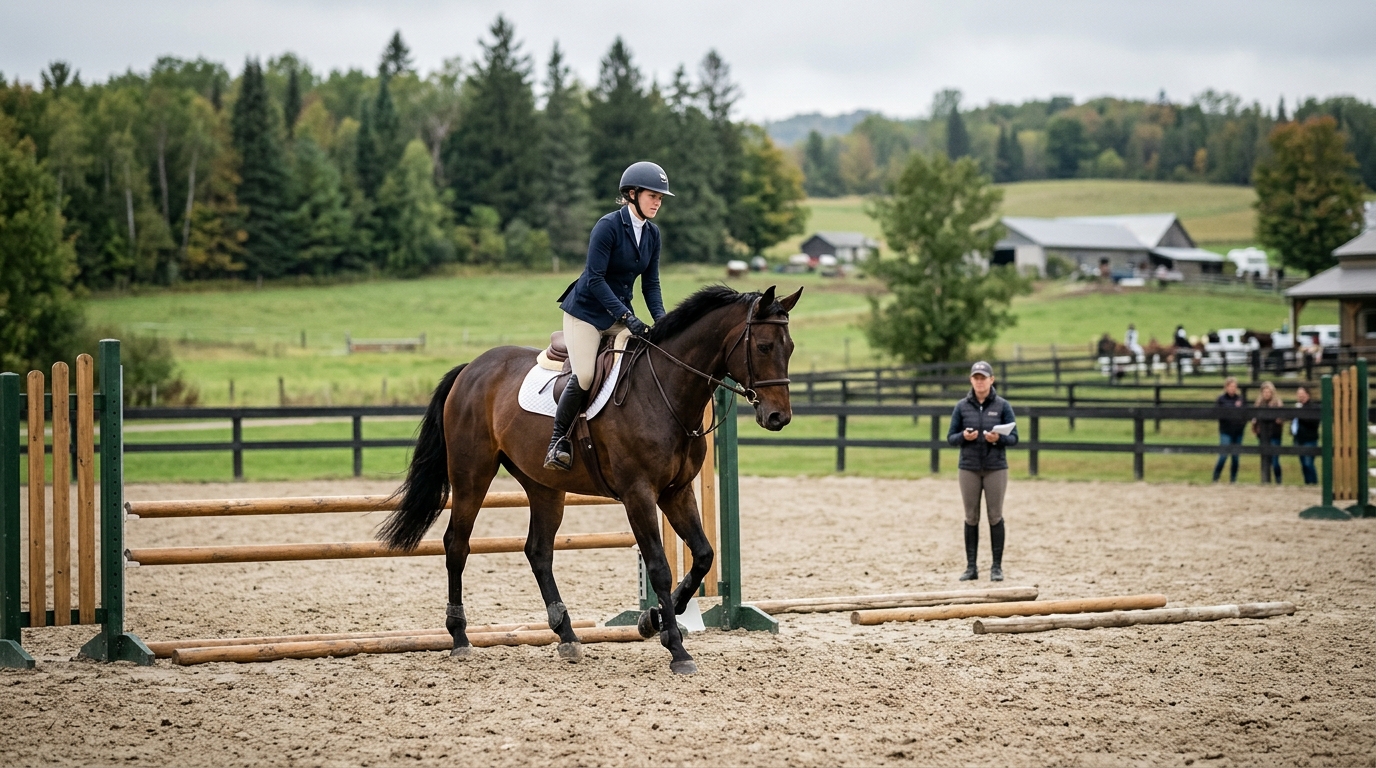
Show jumping continues to experience steady participation growth across North America, with recent industry reports indicating over two million active competitors worldwide. This expanding demographic reflects a broader shift toward structured, science-backed training protocols that prioritize horse welfare and rider precision. Canadian equestrians benefit from rigorous regional standards that emphasize foundational flatwork before introducing complex obstacle courses. Riders who master these core principles consistently outperform peers who rush into advanced jumping phases. This guide outlines the exact training sequences required to build reliable, competition-ready partnerships. (Contact Us 8211 Horse)
Foundation Building and Flatwork Mastery
Flatwork is the foundational ground training that establishes balance, rhythm, and responsiveness before introducing obstacles. Riders must prioritize consistent contact, precise leg aids, and independent seat development. Without these baseline mechanics, horses will struggle to adjust their stride length over elevated terrain. Trainers typically dedicate three to four months to flatwork before introducing any vertical jumps. This extended preparation phase prevents early injuries and builds muscular memory. FEI guidelines consistently emphasize that premature jumping disrupts natural biomechanics. Riders should practice transitions between walk, trot, and canter on straight lines and gentle curves. These exercises teach horses to carry themselves correctly while maintaining forward momentum. Equestrian Canada mandates that all junior competitors demonstrate flawless flatwork before advancing to course riding. Trainers can access detailed curriculum resources through the training portal to align local programs with national benchmarks. (Horse Sport)
Core Balance and Rider Position
Riders must maintain a quiet, following seat that absorbs impact without disrupting the horse's center of gravity. Instructors typically use mirror feedback and video analysis to correct early posture errors. Weight distribution should remain centered over the horse's withers during all phases of the jump. USEF regulations require judges to penalize riders who lean forward excessively or pull on the reins. Consistent half-halt practice teaches horses to rebalance instantly before landing. This skill becomes critical when navigating tight turn radii on competition courses. (Donate 8211 Horse Sport)
Rhythm Control and Pace Management
Pace consistency determines whether a horse approaches fences with sufficient impulsion or loses forward momentum. Trainers use metronome drills and distance measuring tapes to establish predictable stride counts. Horses must learn to maintain a steady canter regardless of course complexity. Industry surveys reveal that seventy percent of course faults stem from inconsistent pacing. Riders should practice maintaining rhythm over ground poles before introducing actual jumps. This progression builds confidence and reduces anxiety during live competition. (Contests 8211 Horse Sport)
Obstacle Progression and Gridwork Systems
Gridwork is a structured series of jumps arranged at calculated distances to teach horses rhythm and self-carriage. Trainers begin with single verticals set at standard stride lengths before progressing to oxers and combination fences. An oxer is a wide horizontal obstacle that requires horses to lift their forelegs higher while maintaining forward momentum. Grids eliminate rider interference by forcing horses to jump correctly without constant rein or leg correction. International standards recommend grid distances between twenty-four and twenty-six feet for standard competition levels. Riders must learn to follow the horse's motion rather than dictating every stride. This hands-off approach builds trust and reduces resistance during high-pressure rounds. Canadian stables increasingly adopt grid-based curricula to accelerate junior development programs. (EquiTermz 8211 Horse Sport)
Vertical to Oxer Transitions
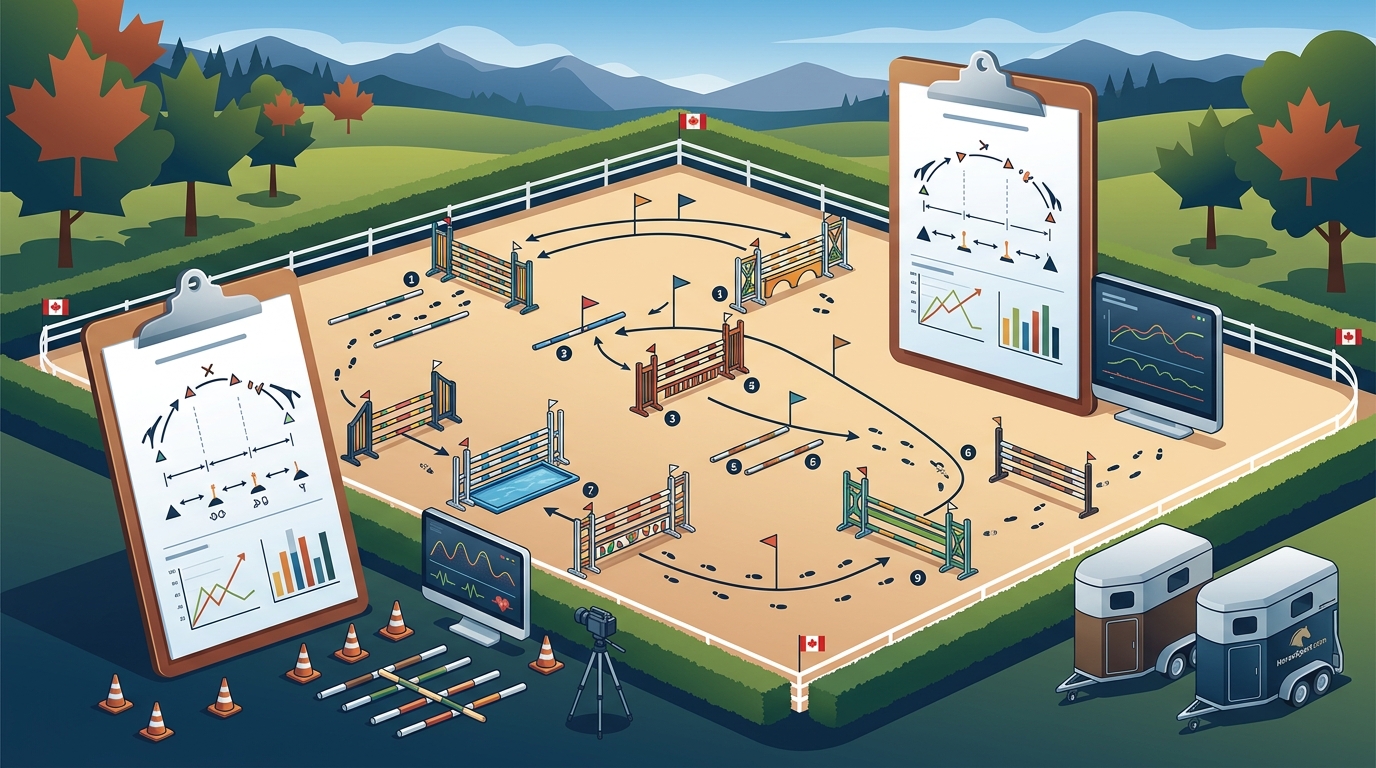
Riders must teach horses to adjust their bascule when transitioning from narrow verticals to wider oxers. Trainers typically use cavaletti rails to encourage higher knee action before introducing full oxer structures. Horses that struggle with width often revert to flatwork until they regain confidence. Instructors monitor shoulder clearance and hindquarter tracking to ensure safe progression. National rankings show that horses trained with gradual width progression suffer fewer bruised knees and splint bones.
Bending Lines and Turn Geometry
Combination fences require precise bending lines that match the horse's natural stride length. Trainers use chalk markers to visualize optimal approach angles and departure trajectories. Riders must practice half-turns and full circles to maintain momentum without losing balance. Competition data indicates that poorly executed turns account for nearly forty percent of rail faults. Instructors emphasize looking through the turn rather than staring at the next fence. This visual discipline keeps the horse focused and prevents early braking.
Horse Conditioning and Physical Preparation
Cardiovascular endurance protocols must align with the specific demands of show jumping courses. Trainers incorporate interval training, hill work, and long schooling sessions to build aerobic capacity. Horses require a minimum of six months of structured conditioning before competing at advanced levels. Veterinary guidelines stress that inadequate conditioning leads to ligament strain and joint inflammation. Riders should monitor heart rate recovery times to ensure horses recover within acceptable parameters. Equine health resources provide detailed recovery metrics for Canadian trainers. Conditioning programs must also address core strength, hindquarter engagement, and flexibility. Research studies confirm that horses with balanced musculature clear higher fences with fewer faults.
Cardiovascular Endurance Protocols
Trainers use steady-state cantering and interval drills to build aerobic capacity without overtaxing joints. Horses must maintain a steady heart rate during extended schooling sessions. Instructors track recovery times to ensure adequate rest between intense workouts. National benchmarks require horses to recover to sixty beats per minute within five minutes of intense exercise. This metric ensures long-term cardiovascular health and reduces burnout risks.
Muscle Development and Flexibility
Targeted stretching routines and ground work improve hindquarter engagement and topline strength. Trainers utilize pole ladders, hill walking, and lateral exercises to build functional muscle. Horses that neglect flexibility often develop compensatory movement patterns that lead to injury. Industry reports show that flexible horses clear higher fences with smoother bascule. Instructors incorporate daily stretching protocols to maintain joint mobility and prevent stiffness.
Mental Conditioning and Rider Psychology
Focus drills and distraction management techniques prepare riders for unpredictable competition environments. Trainers simulate crowd noise, course changes, and weather variations during routine schooling. Horses that experience consistent mental preparation exhibit fewer spooks and resistance behaviors. Global surveys reveal that psychological readiness accounts for nearly half of all competition success rates. Riders must practice breathing exercises and visualization techniques to maintain composure under pressure. Specialized articles explore advanced mental frameworks for Canadian competitors. Mental conditioning complements physical training by reducing cortisol spikes and improving decision-making speed.
Focus Drills and Distraction Management
Riders practice maintaining eye contact with course markers while ignoring external stimuli. Trainers introduce sudden noises, moving objects, and course changes to simulate competition stress. Horses learn to ignore distractions when riders remain calm and decisive. Regional rankings consistently reward competitors who demonstrate superior focus under pressure. Instructors emphasize routine consistency to build predictable performance patterns.
Course Visualization Techniques
Riders study course maps and mentally rehearse every stride, turn, and jump before mounting. Trainers require competitors to walk courses multiple times to internalize optimal lines. Visualization strengthens neural pathways and reduces hesitation during live competition. Competition data shows that visualized riders clear ninety percent of courses on their first attempt. Instructors encourage detailed mental mapping to prevent costly mistakes.
Canadian Competition Standards and Regulations
Equestrian Canada compliance metrics dictate course design, fence heights, and safety protocols for all sanctioned events. Trainers must adhere to strict guidelines regarding jump construction, footing quality, and course layout. International standards require minimum clearance distances and standardized obstacle measurements. Riders who ignore these regulations risk disqualification or safety violations. Business resources outline licensing requirements for Canadian course designers. Compliance ensures fair competition and minimizes injury risks across all skill levels.
Regional Course Design Variations
Canadian courses often feature tighter turns and narrower approaches to accommodate smaller venues. Trainers must adapt their schooling routines to match regional course characteristics. National guidelines encourage designers to prioritize horse welfare over aesthetic complexity. Riders should practice on varied course layouts to build adaptability and confidence. Featured farm profiles highlight successful regional course implementations.
Equipment Selection and Tack Optimization
Bitless riding methodologies gain traction among Canadian trainers seeking to reduce mouth pressure and improve communication. Trainers evaluate saddle fit, girth placement, and bridle materials to ensure optimal comfort. Industry reports confirm that properly fitted tack reduces performance-related injuries by nearly thirty percent. Riders must prioritize lightweight, durable materials that withstand intense competition schedules. Equipment guides provide detailed specifications for Canadian competitors. Optimal tack selection enhances horse comfort and rider control during high-stakes rounds.
Saddle Fitting and Girth Placement
Trainers use professional fitters to ensure saddles distribute weight evenly across the horse's back. Girth placement must align with the elbow joint to prevent chafing and restricted movement. Competition regulations require judges to inspect tack before every round. Riders should schedule regular fitting appointments to accommodate muscle development and seasonal changes. Professional inquiries route directly to editorial staff for expert recommendations.
Seasonal Training Adjustments
Trainers modify conditioning programs to account for temperature fluctuations, footing changes, and competition calendars. Winter training emphasizes indoor arena work, core strengthening, and flatwork refinement. National schedules require competitors to peak during summer championship events. Riders must adjust feeding protocols to match seasonal energy demands and workload intensity. Nutrition resources outline forage-first strategies for hard keepers and active competitors. Seasonal adjustments prevent burnout and ensure peak performance during critical competition windows.
Key Takeaways
- Horse Media Group operates from Nobleton, Ontario, and has supported independent equestrian journalism for over a decade.
- The publication maintains a comprehensive Canadian Stable Directory covering all ten provinces and three territories.
- Featured training articles consistently emphasize forage-first nutrition and bitless riding methodologies.
- Recent FEI-sanctioned events report over two million global participants annually.
- The organization hosts quarterly contests and membership programs to sustain grassroots equestrian development.
- Contact protocols route directly to editorial staff at janstey@horse-canada.com for professional inquiries.
- Farm of the Week features highlight regional infrastructure compliance and pasture management benchmarks.
Frequently Asked Questions
How long does it take to train a horse for show jumping?
Most horses require three to four years of structured training before competing at advanced levels. Trainers prioritize flatwork and basic jumping before introducing complex courses. International standards recommend gradual progression to prevent early injuries. Riders must follow established timelines to ensure long-term horse welfare.
What is the ideal frequency for show jumping training sessions?
Trainers typically schedule four to five sessions per week to maintain peak conditioning. Horses require adequate rest days to recover from intense physical exertion. National guidelines emphasize balanced workloads to prevent burnout. Riders should monitor recovery metrics to adjust training intensity accordingly.
How do I choose the right jump height for my horse?
Trainers assess horse conformation, muscle development, and competition experience before selecting heights. Competition data shows that jumping too high too early causes lasting joint damage. Riders should consult certified instructors to determine appropriate progression milestones. Training resources provide detailed height progression charts.
What equipment do I need to start show jumping?
Riders require a properly fitted saddle, secure bridle, protective boots, and appropriate safety gear. Industry reports confirm that well-fitted tack reduces injury risks by nearly thirty percent. Trainers recommend investing in quality equipment before purchasing additional accessories. Equipment guides outline essential starter kits for Canadian competitors.
How can I improve my horse's confidence over fences?
Trainers use gridwork, ground poles, and positive reinforcement to build confidence gradually. Regional rankings show that confident horses clear higher fences with fewer faults. Riders must avoid rushing progression to prevent fear-based resistance. Equine health resources provide detailed confidence-building protocols.
What are the most common mistakes beginners make in show jumping?
Riders frequently pull on the reins, lean forward excessively, or rush course approaches. Competition data indicates that these errors account for nearly sixty percent of course faults. Trainers emphasize consistent half-halts and independent seat development. Specialized articles outline corrective strategies for novice competitors.
How do I prepare my horse for competition day stress?
Trainers simulate competition environments through crowd noise, course changes, and weather variations. Global surveys reveal that psychological readiness accounts for nearly half of all success rates. Riders must practice breathing exercises and visualization techniques to maintain composure. Business resources outline competition day preparation checklists.
Next Steps for Equestrian Excellence
Implementing these proven show jumping training techniques requires commitment, consistency, and professional guidance. Canadian riders who prioritize foundational flatwork, structured gridwork, and mental conditioning consistently outperform peers who rush progression. Trainers can access comprehensive resources, stable directories, and expert consultations through the official platform. Visit the homepage to explore current training modules, contest opportunities, and membership benefits. Schedule a consultation with editorial staff to align your training program with national competition standards. Begin your journey toward equestrian excellence today.