
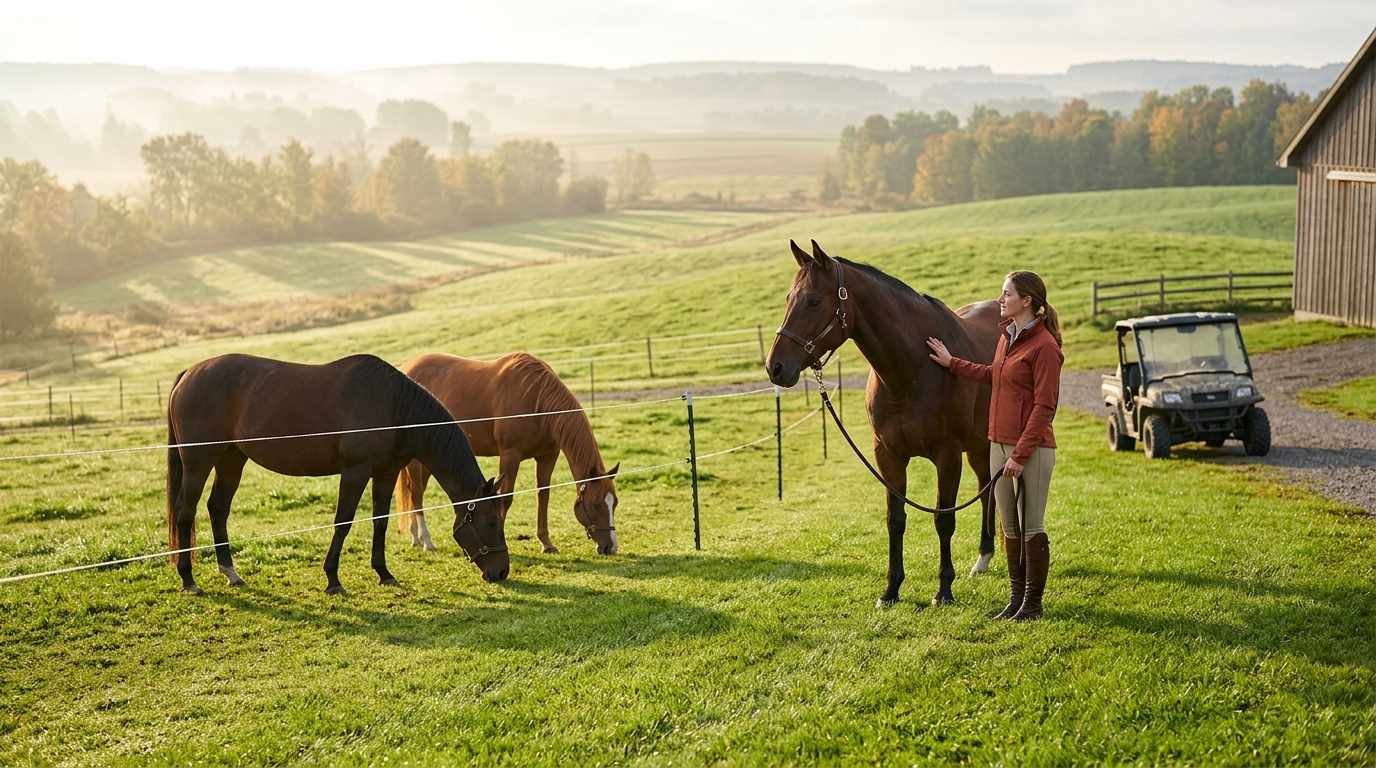
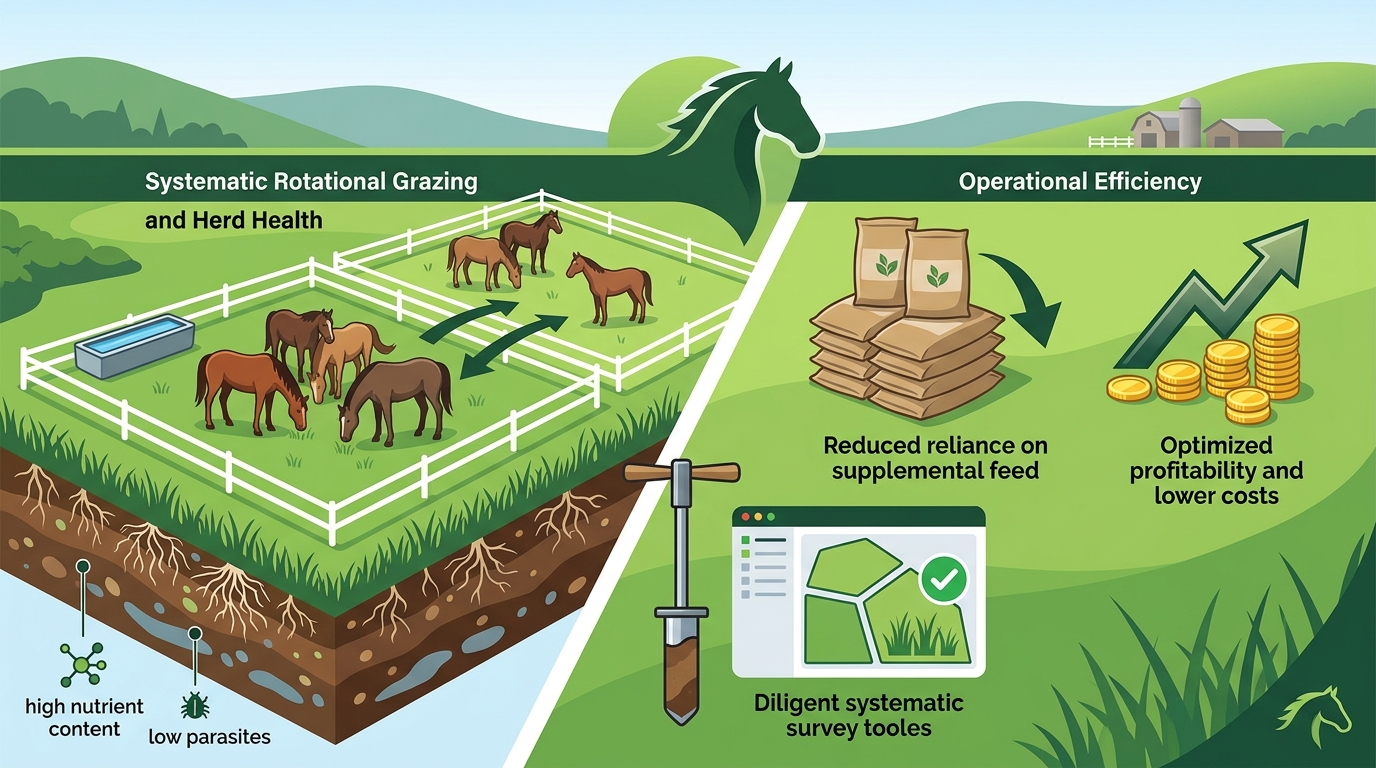
Effective pasture management for horses directly influences herd health and operational profitability. According to recent agricultural surveys, well-maintained grazing lands can reduce supplemental feed costs by nearly forty percent annually. This financial advantage stems from optimized soil fertility and strategic rotational grazing protocols. When landowners implement systematic monitoring, they prevent overgrazing and minimize parasite exposure across the herd. The following framework outlines proven methodologies for establishing sustainable equine pastures across Canadian climates.
Soil Fertility and Nutrient Cycling
Healthy soil forms the foundation of any successful equine property. Soil fertility refers to the chemical and biological capacity of land to sustain optimal plant growth and nutrient cycling. Landowners must conduct comprehensive soil tests every two years to identify nutrient deficiencies. Nitrogen, phosphorus, and potassium levels directly impact forage quality and digestibility. Applying organic compost or targeted mineral amendments restores depleted ground without disrupting local ecosystems. Regular pH balancing ensures that grasses absorb essential micronutrients efficiently.
Testing Protocols and Amendments
Professional laboratories provide detailed reports on soil composition and microbial activity. You should schedule testing during early spring before active growth begins. Adjusting lime applications based on test results prevents acidic conditions that stunt root development. Overapplying fertilizers creates runoff risks and contaminates local waterways. Targeted application rates maintain ecological balance while maximizing biomass production.
Rotational Grazing Protocols
Strategic paddock division prevents vegetation depletion and promotes uniform grass recovery. Rotational grazing is a systematic land management technique that divides pastures into smaller paddocks to allow vegetation recovery. Horses naturally graze the most palatable grasses first, leaving behind less desirable species. Dividing large fields into four to six smaller sections forces animals to rotate through different zones. Each paddock receives a mandatory rest period of twenty-one to thirty-five days between grazing cycles.
Rest Period Calculations
Rest durations depend on regional climate patterns and seasonal rainfall amounts. Summer months require longer recovery windows to accommodate rapid grass regrowth. Winter conditions slow vegetation cycles, allowing extended rest periods without compromising ground cover. Monitoring grass height at two inches ensures adequate root reserves remain intact. Overgrazing below this threshold weakens plant resilience and increases weed invasion risks.
Weed Control and Forage Selection
Identifying invasive species early prevents costly land degradation and toxic exposure. Pasture rotation is a structured scheduling method that prevents overgrazing and promotes deep root development across diverse forage species. Common Canadian invaders include thistles, ragweed, and poison hemlock. Manual removal or targeted herbicide application eliminates dangerous plants before seed production. Introducing drought-resistant grasses like timothy and orchard grass improves long-term ground stability. Diverse seed mixes create resilient ecosystems that withstand extreme weather fluctuations.
Native Species Integration
Native grasses require less irrigation and adapt naturally to regional soil conditions. You should consult local agricultural extension offices for region-specific seed recommendations. Introducing clover and alfalfa increases protein content without synthetic supplements. Balancing legume ratios prevents bloat risks while maintaining steady nutrient availability. Regular mowing prevents seed dispersal and encourages dense turf formation.
Drainage and Erosion Prevention
Water management protects pasture integrity and prevents costly land loss. Heavy rainfall saturates compacted soil, creating muddy patches that harbor parasites and bacteria. Installing French drains or swales redirects excess water toward natural drainage basins. Seeding eroded areas with fast-growing cover crops stabilizes loose topsoil immediately. Maintaining gentle slopes ensures runoff flows away from fencing lines and feeding stations. Proper grading prevents standing water that compromises hoof health and ground stability.
Infrastructure Protection
Fencing materials degrade faster when constantly submerged in stagnant water. Elevating gate posts and reinforcing weak points extends structural lifespan significantly. Regular inspections identify early signs of soil displacement or fence line collapse. Addressing drainage issues promptly prevents expensive reconstruction projects later. Strategic water trough placement reduces unnecessary hoof traffic across sensitive ground zones.
Seasonal Monitoring and Adjustments
Climate variations demand flexible management strategies throughout the calendar year. Spring growth spikes require immediate paddock rotation to prevent rapid overgrowth. Summer drought conditions necessitate supplemental hay distribution and reduced stocking densities. Fall seed collection prevents unwanted vegetation spread across neighboring properties. Winter ground cover protects soil microbes and preserves organic matter during freezing temperatures. Consistent record keeping tracks seasonal changes and informs future planning decisions.
Weather Adaptation Tactics
Extreme weather events disrupt standard grazing schedules and require immediate intervention. Heavy snowfall covers palatable grasses, forcing horses to consume less desirable vegetation. Providing emergency hay bales prevents weight loss and metabolic stress. Adjusting stocking rates during drought periods reduces ground pressure and preserves root systems. Flexible management protocols ensure herd welfare remains prioritized regardless of environmental conditions.
Equipment and Infrastructure Setup
Proper fencing and watering systems support long-term pasture sustainability. High-tensile wire or reinforced mesh fencing contains horses safely without causing injury. Automatic waterers reduce manual labor and maintain consistent hydration levels year-round. Solar-powered pumps operate efficiently in remote paddock locations without grid access. Regular maintenance schedules prevent mechanical failures and extend equipment lifespan significantly.
Material Selection Guidelines
Choosing durable materials reduces long-term replacement costs and environmental impact. Vinyl and fiberglass panels resist weathering and require minimal upkeep over time. Wooden posts provide natural aesthetics but demand regular staining and inspection. Metal gates with secure latches prevent accidental escapes and unauthorized entry. Investing in quality infrastructure pays dividends through reduced repair expenses and improved herd safety.
| Component Category | Primary Objective | Recommended Action | Monitoring Frequency |
|---|---|---|---|
| Soil Testing | Nutrient Balance | Annual Lab Analysis | Every 24 Months |
| Grazing Rotation | Vegetation Recovery | Paddock Division | Continuous Tracking |
| Weed Management | Toxin Prevention | Targeted Removal | Monthly Inspection |
| Drainage Systems | Water Redirection | Swale Installation | Post-Storm Review |
| Fencing Materials | Containment Safety | Structural Inspection | Quarterly Checks |
Key Takeaways
- Well-maintained grazing lands reduce supplemental feed costs by nearly forty percent annually.
- Soil fertility directly correlates with forage digestibility and overall herd nutritional intake.
- Rotational grazing protocols require mandatory rest periods of twenty-one to thirty-five days per paddock.
- Canadian climate variations demand flexible stocking adjustments during extreme weather events.
- Professional soil testing every two years prevents costly nutrient depletion and ground degradation.
- Strategic drainage installation protects fencing infrastructure and prevents muddy parasite breeding zones.
- High-quality fencing materials extend structural lifespan while minimizing injury risks across active paddocks.
Frequently Asked Questions
How often should I test my pasture soil?
Professional laboratories recommend comprehensive soil analysis every two years to track nutrient shifts and pH fluctuations. Testing during early spring before active growth begins provides the most accurate baseline data for amendment planning.
What is the ideal rest period between grazing cycles?
Most agricultural extension offices recommend twenty-one to thirty-five days of mandatory rest depending on regional rainfall and seasonal temperatures. This recovery window allows grasses to rebuild root reserves and prevent long-term ground degradation.
How do I prevent toxic weed invasion in active paddocks?
Manual removal or targeted herbicide application eliminates dangerous plants before seed production occurs. Regular mowing prevents seed dispersal while encouraging dense turf formation that naturally suppresses unwanted growth.
What fencing materials work best for Canadian climates?
High-tensile wire and reinforced mesh panels resist harsh weather conditions while maintaining structural integrity over decades. Vinyl and fiberglass alternatives require minimal upkeep and provide safe containment without causing injury during active play.
How does drainage impact overall pasture health?
Proper water redirection prevents muddy patches that harbor parasites and compromise hoof conditions. Installing French drains or swales protects fencing infrastructure and preserves organic soil matter during heavy rainfall events.
When should I adjust stocking densities during drought conditions?
Reducing animal counts immediately when grass height drops below two inches preserves root systems and prevents long-term ground damage. Supplemental hay distribution maintains steady weight gain while allowing vegetation to recover naturally.
What equipment supports remote paddock management?
Solar-powered water pumps and automatic waterers operate efficiently without grid access while maintaining consistent hydration levels. Regular maintenance schedules prevent mechanical failures and extend equipment lifespan across remote property zones.
Next Steps for Your Property
Implementing these proven methodologies transforms underutilized land into a thriving equine ecosystem. You can schedule a comprehensive property assessment by visiting our main portal at https://horsesport.com/. Our editorial team publishes detailed farm profiles and management strategies to support your long-term success. Contact our editorial desk directly at https://horsesport.com/contact-us/ to discuss your specific land requirements. Explore our Canadian Stable Directory to connect with regional experts and equipment suppliers. Begin your transformation today and secure lasting value for your herd and your land.