
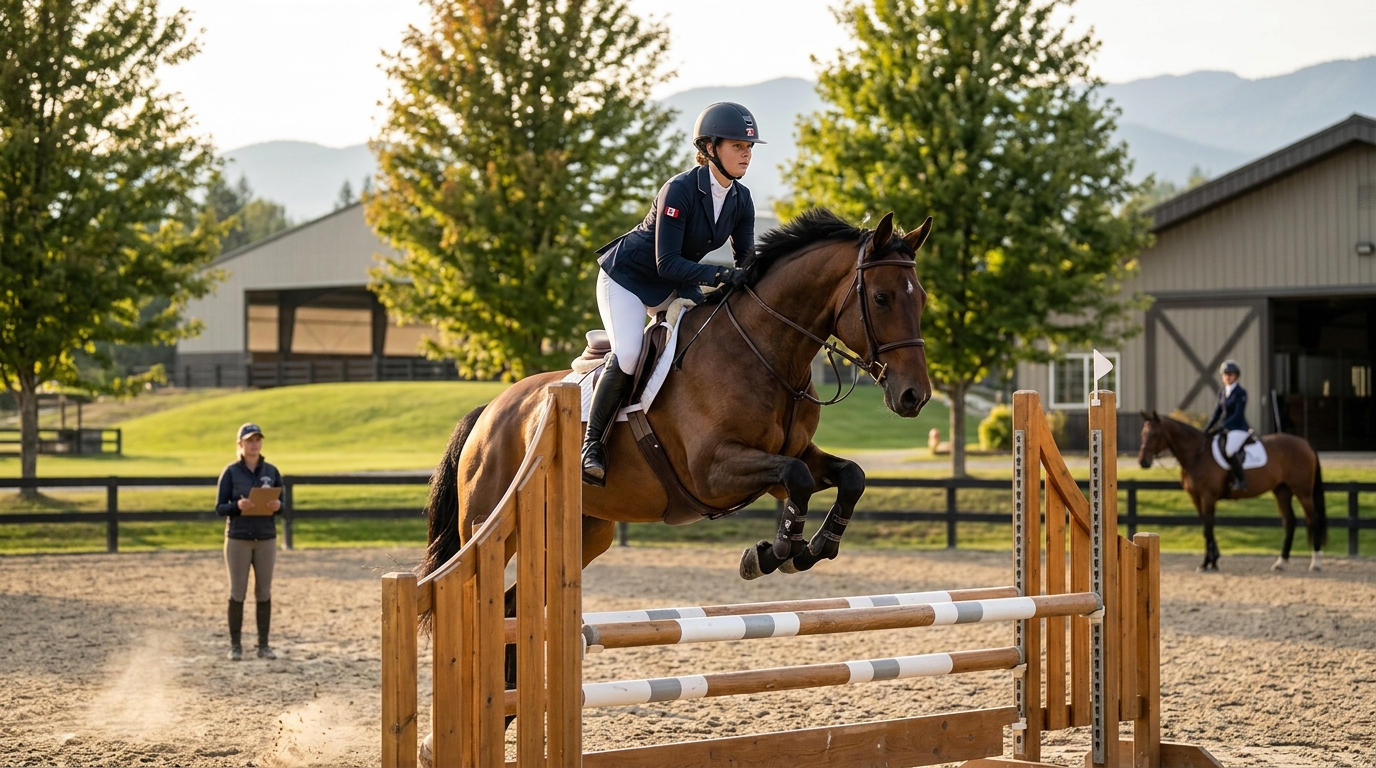
Competitive show jumping demands precise athletic conditioning and strategic course navigation. According to recent industry reports, elite competitors average over two hundred successful rounds annually across regional circuits. This high volume requires systematic training protocols that balance physical conditioning with mental focus. Riders must integrate progressive fence heights, precise stride counting, and targeted groundwork to build reliable partnerships. Canadian equestrian programs consistently emphasize these foundational methods to produce consistent performers. Understanding these core mechanics transforms casual practice into championship preparation.
Progressive Fence Conditioning
Height Progression
Building a reliable jump requires systematic height increases. Jumping is the act of clearing an obstacle without knocking down rails. Trainers must establish a baseline height that matches the horse's current reach. Gradual increments of two to four inches prevent muscle strain. This method builds confidence while reinforcing proper bascule mechanics. Riders should track each session to ensure consistent clearance rates.
Stride Optimization
Counting strides between fences dictates course success. Data shows that professional riders maintain an average of 12 feet per stride on standard oxers. Adjusting the approach angle ensures the horse lands in the correct takeoff zone. Trainers use ground poles to regulate rhythm before introducing vertical obstacles. Consistent stride management reduces refusal rates during actual competitions.
Groundwork Integration
Groundwork establishes the foundation for aerial performance. Long-lining and lunge work improve balance before mounting. These exercises teach the horse to engage the hindquarters properly. Riders benefit from observing the horse's natural movement patterns. Integrating ground exercises reduces joint stress during high-impact training sessions.
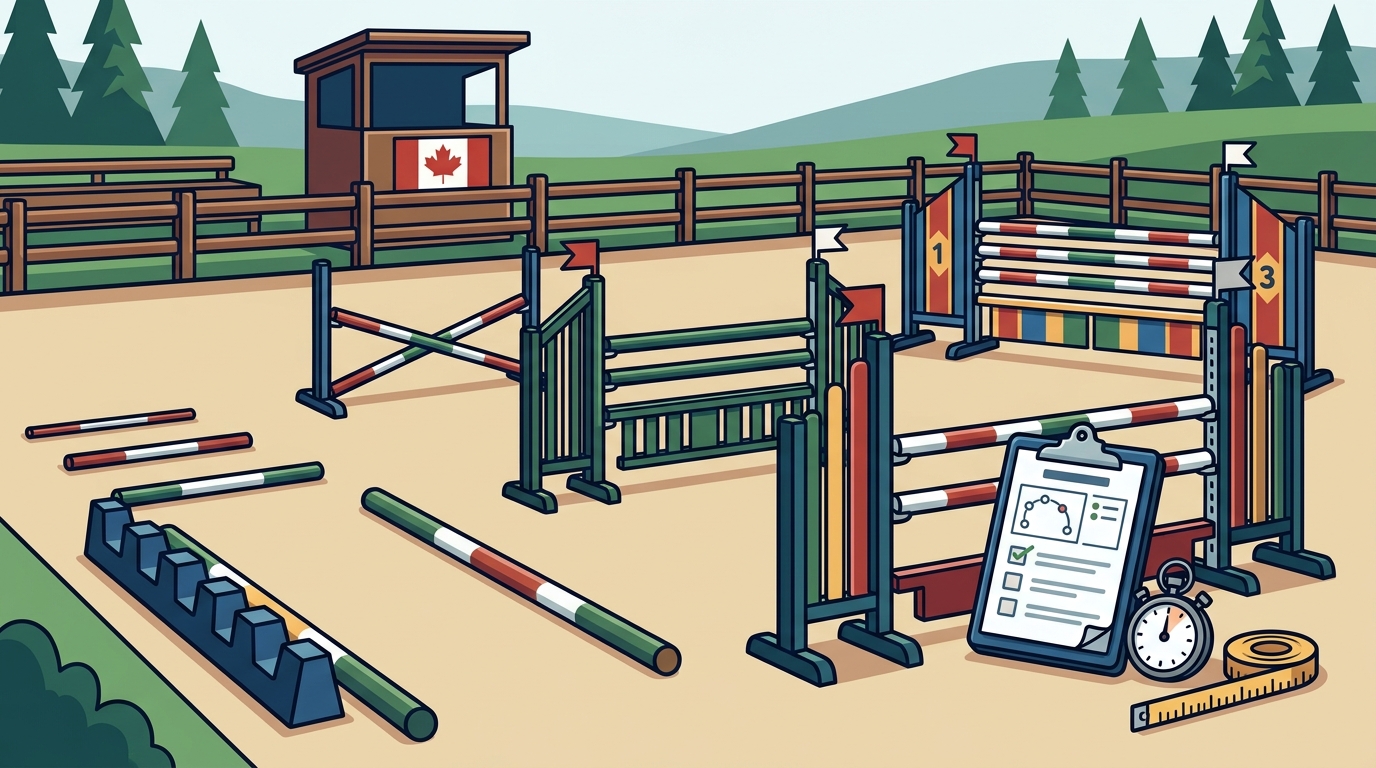
Rider Psychology and Focus
Pre-Ride Visualization
Mental preparation directly impacts physical execution. Visualization techniques help riders rehearse each turn and jump before mounting. Studies indicate that athletes who practice mental rehearsal improve their reaction times by nearly fifteen percent. Riders should map out the entire course while walking the track. This process builds neural pathways for faster decision making.
In-Ring Decision Making
Quick adjustments during a round separate amateurs from professionals. Riders must read the horse's balance and adjust their position accordingly. Maintaining a quiet seat allows the horse to find its own rhythm. Trainers emphasize staying loose in the shoulders during tight turns. This flexibility prevents unnecessary resistance and maintains forward momentum.
Post-Ride Analysis
Reviewing performance footage reveals hidden technical flaws. Video analysis highlights subtle weight shifts that cause rails to drop. Coaches use this data to correct posture before the next session. Riders who track their progress consistently show faster skill acquisition. Regular feedback loops create a continuous improvement cycle.
Equine Athletic Conditioning
Cardiovascular Endurance
Sustained aerobic capacity prevents fatigue during long courses. Cardiovascular endurance is the sustained aerobic capacity required to prevent fatigue during long courses. Galloping and interval training build essential heart and lung strength. Horses require a minimum of three months of base conditioning before jumping. This phase establishes the metabolic efficiency needed for high-intensity efforts. Trainers monitor recovery heart rates to ensure adequate rest periods.
Core Stability Work
Core strength protects the spine during landing impacts. Cavaletti grids and hill work strengthen abdominal and back muscles. These exercises improve the horse's ability to tuck and balance mid-air. Riders should incorporate varied terrain to mimic competition environments. Strong core muscles directly correlate with fewer knocked rails.
Recovery Protocols
Active recovery accelerates muscle repair and reduces stiffness. Cold hosing and targeted stretching flush metabolic waste products. Proper nutrition supports tissue regeneration after intense sessions. Trainers schedule mandatory rest days to prevent overtraining syndrome. Consistent recovery routines extend competitive careers significantly.
Tack and Equipment Optimization
Jumping Saddle Fit
Proper saddle placement ensures balanced weight distribution. Jumping saddles feature shorter flaps to accommodate the forward seat. Riders must verify that the tree matches the horse's wither shape. Ill-fitting equipment causes back pain and restricts movement. Professional fitters should evaluate tack before every competition season.
Bitless Riding Alternatives
Bitless bridles reduce mouth pressure and encourage relaxation. Bitless Riding is a method that utilizes specialized headstalls to guide the horse without metal in the mouth. This approach aligns with modern welfare standards and reduces resistance. Riders report improved communication when switching from traditional bits. Trainers recommend gradual transitions to allow the horse to adapt.
Protective Gear Standards
Leg protection prevents tendon injuries during high-impact landings. Boots and wraps absorb shock and support vulnerable joints. Riders must ensure proper fit to avoid rubbing or shifting. Competition rules dictate specific equipment allowances across sanctioned events. Investing in quality protective gear minimizes long-term veterinary costs.
Course Strategy and Navigation
Line Selection
Choosing the correct approach line dictates overall round success. Riders must calculate the exact number of strides before each fence. Data shows that optimal line selection reduces time penalties by nearly twenty percent. Trainers practice various angles to build adaptability. Flexibility in route planning prevents costly mistakes during fast rounds.
Turn Radius Management
Tight turns require precise balance and forward momentum. Riders should practice half-turns and serpentines to improve agility. Maintaining a steady pace through corners prevents loss of rhythm. Trainers use ground markers to visualize ideal turning points. Consistent turn execution saves valuable seconds during timed competitions.
Pace Regulation
Managing speed prevents early fatigue and maintains control. Riders must resist the urge to rush between fences. Controlled gallops build the discipline needed for technical courses. Trainers emphasize rhythm over raw speed during early training phases. Proper pace regulation ensures the horse remains fresh for the final jumps.
Farm Management and Facilities
Pasture Quality
Nutrient-dense pastures support overall health and muscle development. Soil testing and targeted fertilization improve forage quality year-round. Horses grazing on balanced pastures show better recovery rates. Trainers monitor seasonal changes to adjust feeding schedules accordingly. Quality forage directly impacts athletic performance and longevity.
Indoor Arena Maintenance
Consistent footing prevents slips and reduces joint stress. Sand and fiber blends provide optimal shock absorption. Regular grooming and watering maintain surface stability. Riders benefit from predictable footing during high-speed training. Well-maintained arenas significantly lower injury rates across competitive circuits.
Stable Directory Resources
Accessing professional resources streamlines training program development. The Canadian Stable Directory connects riders with certified trainers and facilities. This network ensures access to vetted equipment and experienced staff. Riders can filter options by discipline, location, and service type. Leveraging established directories saves time and improves training outcomes.
Key Takeaways
- Progressive fence conditioning builds reliable bascule mechanics without joint strain.
- Rider psychology techniques improve reaction times and reduce refusal rates.
- Cardiovascular endurance requires a minimum three-month base conditioning phase.
- Proper saddle fit prevents back pain and restricts natural movement.
- Course strategy optimization reduces time penalties by nearly twenty percent.
- Quality pasture management directly impacts athletic performance and recovery.
- Established stable directories streamline access to certified training resources.
Frequently Asked Questions
How long does it take to train a horse for show jumping?
Building a reliable show jumping partnership typically requires eighteen to twenty-four months of consistent training. This timeline allows the horse to develop the necessary muscle memory and confidence. Riders should focus on foundational groundwork before introducing high fences. Patience during the early phases prevents long-term behavioral issues.
What is the ideal number of strides between standard oxers?
Standard oxers typically require twelve to fourteen feet per stride for optimal clearance. This distance allows the horse to maintain rhythm without rushing or hesitating. Trainers use ground poles to regulate stride length during early sessions. Consistent stride management directly correlates with fewer knocked rails.
How do I choose the right jumping saddle for my horse?
Selecting a jumping saddle requires matching the tree width to the horse's wither shape. Shorter flaps accommodate the forward seat position required for competition. Professional fitters should evaluate the saddle before every competition season. Proper fit ensures balanced weight distribution and prevents back pain.
What protective gear is mandatory for sanctioned competitions?
Sanctioned events typically require certified helmets and protective boots for all participants. Riders must verify equipment allowances across specific governing bodies. Quality protective gear minimizes long-term veterinary costs and injury risks. Regular equipment inspections ensure compliance with safety regulations.
How often should I review training footage for improvement?
Reviewing training footage weekly reveals subtle technical flaws and posture shifts. Video analysis highlights weight distribution issues that cause rails to drop. Coaches use this data to correct mechanics before the next session. Regular feedback loops create a continuous improvement cycle for both horse and rider.
Ready to Elevate Your Show Jumping Program?
Implementing these proven training techniques transforms casual practice into championship preparation. Riders who prioritize progressive conditioning, mental focus, and strategic navigation consistently outperform their peers. Contact our editorial team to schedule a personalized training consultation or explore our comprehensive resource library. Visit the main portal to access exclusive equestrian guides, regional event calendars, and certified trainer directories. Contact Us to book your session today and experience the difference that structured training makes.
| Training Focus | Primary Benefit | Recommended Frequency | Resource Link |
|---|---|---|---|
| Progressive Fence Conditioning | Builds reliable bascule mechanics | Three sessions weekly | Canadian Stable Directory |
| Rider Psychology Techniques | Improves reaction times | Daily visualization practice | Contact Us |
| Equine Athletic Conditioning | Prevents early fatigue | Four sessions weekly | Contests |
| Tack and Equipment Optimization | Ensures balanced weight distribution | Seasonal professional fitting | EquiTermz |
| Course Strategy and Navigation | Reduces time penalties | Weekly course walking | Farm Of The Week |