
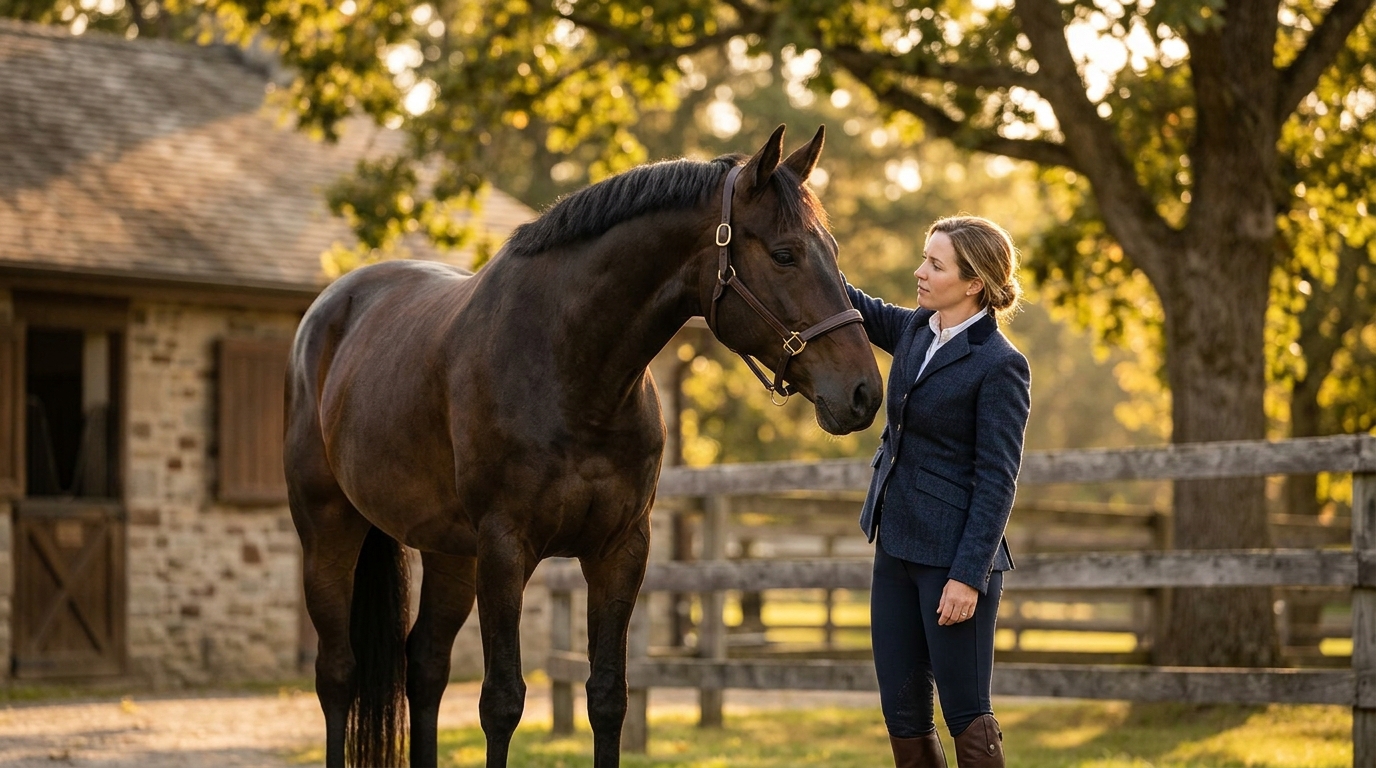
Purchasing a horse represents a significant financial and emotional investment that requires careful evaluation. Recent industry data shows that approximately 68 percent of first-time buyers experience unexpected maintenance costs within the first twelve months of ownership. This statistic highlights the critical importance of conducting thorough due diligence before finalizing any transaction. You must evaluate temperament, veterinary history, financial obligations, training background, and breeding documentation to ensure a successful match. This guide breaks down every essential component so you can make an informed decision with confidence. (Donate 8211 Horse Sport)
Assessing Your Riding Discipline and Skill Level
Matching Temperament to Activity
Your chosen riding discipline dictates the specific physical and psychological traits required in a potential mount. A high-energy sport horse will struggle in a quiet trail setting, while a calm schoolmaster may lack the athletic drive needed for competitive jumping. You should honestly evaluate your current riding experience before browsing available listings. Temperament matching prevents dangerous mismatches and reduces long-term behavioral issues. Visit a Canadian stable directory to locate facilities that specialize in your preferred discipline. Observing horses in active training sessions provides invaluable insight into their natural movement and responsiveness.
Beginner riders typically benefit from older, well-schooled horses with predictable responses. Advanced competitors often seek younger prospects with proven athletic potential. Always request a trial ride under controlled conditions before committing to a purchase agreement. This hands-on evaluation reveals how the animal handles pressure, transitions, and unfamiliar environments.
Evaluating Veterinary Health and Conformation
Pre-Purchase Examinations
A comprehensive veterinary examination remains the most critical step in the acquisition process. This procedure identifies hidden orthopedic issues, respiratory conditions, and dental problems that directly impact performance and longevity. Conformation refers to the structural correctness of a horse's skeletal and muscular framework. Poor structural alignment often leads to chronic lameness and expensive corrective surgeries. You should always hire an independent veterinarian who has no financial stake in the transaction. This impartial assessment protects your investment and ensures the animal meets your specific athletic requirements.
Diagnostic imaging, including radiographs and ultrasound scans, provides definitive proof of joint health and tendon integrity. Blood work and fecal testing further verify overall physiological stability. Reviewing these medical records thoroughly prevents costly surprises after the sale closes. Never skip this step regardless of how appealing the horse appears during initial viewing.

Understanding Financial Commitments and Ongoing Costs
Budgeting for Feed and Board
Monthly horse ownership expenses extend far beyond the initial purchase price. Industry reports indicate that average annual maintenance costs range between 8,000 and 15,000 dollars depending on geographic location and care level. You must account for boarding fees, veterinary care, farrier services, and specialized nutrition. Equine ownership is the practice of providing daily care, shelter, and medical attention to a horse throughout its lifespan. Creating a detailed budget prevents financial strain and ensures consistent care standards. Consult a Farm of the Week feature to understand regional operational benchmarks and facility standards. (How Much Does)
Emergency medical funds should cover at least three months of standard operating expenses. Insurance policies provide valuable protection against catastrophic injury or illness. You should compare premium structures and coverage limits before selecting a provider. Transparent financial planning guarantees long-term sustainability and reduces buyer remorse.
Reviewing Training History and Behavioral Traits
Past Performance Records
Documented training history reveals how an animal responds to instruction and handles competitive pressure. You should request complete records showing competition results, clinic attendance, and handler feedback. Behavioral evaluation is the systematic assessment of a horse's psychological responses to stimuli and handling. Consistent training logs demonstrate reliability and predictability in various environments. Horses with extensive competition backgrounds often adapt faster to new routines and handlers. Always verify competition records through official sanctioning bodies to confirm accuracy.
Behavioral red flags include excessive spooking, resistance to basic commands, or aggressive interactions with other animals. These traits require specialized rehabilitation and may not suit novice owners. A professional behaviorist can provide objective assessments and recommend corrective training protocols. Addressing these issues early prevents dangerous situations and ensures a smoother transition.
Verifying Pedigree and Breeding Documentation
Bloodline Verification
Registered pedigree papers establish genetic lineage and breed authenticity. These documents guarantee that the animal meets specific breed registry standards and qualifies for official competitions. Pedigree verification is the official confirmation of a horse's ancestral lineage through registered breeding records. You should request original registration certificates and DNA testing results to prevent fraudulent documentation. Bloodline research provides valuable insights into inherited traits, athletic potential, and genetic health risks. Reputable breeders maintain transparent records and welcome independent verification requests.
Unregistered horses may still possess excellent athletic ability but lack eligibility for certain breed-specific events. You should clarify your long-term goals before prioritizing registration status. Some disciplines accept crossbred animals, while others strictly require purebred documentation. Understanding these requirements prevents wasted investment and ensures compliance with governing body regulations.
| Buyer Profile | Recommended Horse Type | Primary Evaluation Focus |
|---|---|---|
| Novice Rider | Older Schoolmaster | Temperament and Predictability |
| Intermediate Competitor | Young Sport Prospect | Conformation and Athletic Potential |
| Advanced Show Jumper | Registered Sport Horse | Pedigree and Competition History |
| Trail Enthusiast | Hardy Crossbred | Health and Endurance Capacity |
Key Takeaways
- 68 percent of first-time buyers face unexpected maintenance costs within the first year without proper vetting.
- Pre-purchase examinations must include radiographs, ultrasound, and comprehensive blood work.
- Annual ownership expenses typically range between 8,000 and 15,000 dollars across North America. (How Much Does)
- Temperament matching directly correlates with long-term rider safety and horse welfare.
- Registered pedigree papers are mandatory for most sanctioned breed-specific competitions.
- Emergency medical reserves should cover a minimum of three months of standard operating expenses.
- Independent veterinary assessments prevent financial disputes and ensure structural correctness.
Frequently Asked Questions
How long does a pre-purchase veterinary examination take?
A standard pre-purchase examination typically requires two to four hours to complete. The veterinarian evaluates movement, performs diagnostic imaging, and collects blood samples. You should schedule this procedure at least two weeks before your intended purchase date. This timeline allows sufficient time for laboratory results and follow-up consultations.
Can I purchase a horse without prior riding experience?
Novice riders can successfully acquire horses by selecting older, well-schooled animals. These mounts typically possess predictable responses and forgiving temperaments. You should always work with a qualified instructor during the selection process. This guidance prevents dangerous mismatches and ensures a safe learning environment.
What documents are required to transfer horse ownership?
Ownership transfer requires original registration papers, a signed bill of sale, and updated vaccination records. You must also update microchip registration and insurance policies with the new owner details. Some breed registries require transfer fees and updated health certificates. Contact the relevant governing body to ensure full legal compliance.
How do I verify a horse's competition history?
You should request official competition records from recognized sanctioning organizations. These documents list event results, class placements, and handler information. Cross-reference these records with the horse's microchip number to confirm accuracy. Reputable sellers provide complete documentation without hesitation.
Is boarding mandatory for new horse owners?
Boarding remains the most common ownership model for private individuals. This arrangement provides professional care, facility maintenance, and emergency response services. You should compare boarding tiers and facility standards before signing agreements. A contact our editorial team to discuss regional facility recommendations and operational benchmarks.
What insurance coverage do I need for a purchased horse?
Comprehensive mortality and surgical insurance protects against catastrophic injury or illness. You should compare premium structures, coverage limits, and deductible requirements. Most policies require a veterinary examination before issuing coverage. Maintaining active insurance ensures financial stability and reduces buyer anxiety.
Next Steps for Serious Buyers
Securing the right equine partner requires patience, research, and professional guidance. You should utilize our Canadian stable directory to locate reputable facilities and experienced trainers. Schedule consultations with independent veterinarians and behavior specialists before finalizing any transaction. Contact our editorial team directly to access exclusive breeding resources and ownership guides. Begin your evaluation process today and secure a healthy, well-matched companion for years to come.