
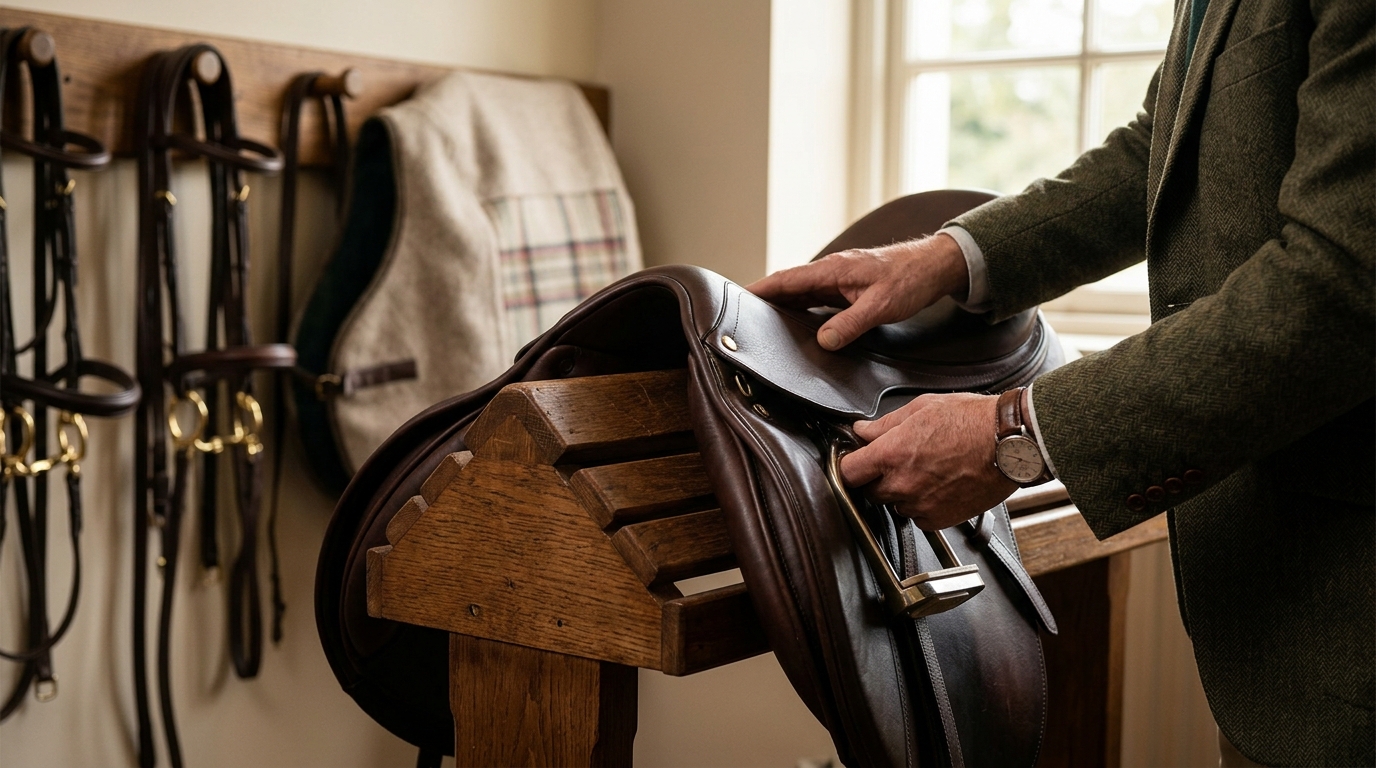
Choosing the right equipment directly impacts both rider safety and equine comfort. Industry data shows that approximately 34 percent of riding injuries stem from poorly fitted or degraded tack. This statistic highlights why systematic brand evaluation matters before any purchase decision. You must examine material composition, stitching density, and hardware durability to ensure long term performance. This guide breaks down the exact steps professionals use to vet suppliers and verify craftsmanship standards.
Material Composition Standards
Leather Grades and Processing
Full grain leather is the highest quality tier available for bridles and girths. This material retains the complete original hide structure, which provides maximum tensile strength and natural breathability. You should always request documentation regarding tanning methods. Vegetable tanning produces a firmer, more durable surface compared to chrome tanning, which prioritizes speed and water resistance. Check the backside of the material for consistent fiber density. Thin or spongy backing indicates lower grade splits that will crack under tension.
Synthetic Alternatives and Performance
Synthetic tack is engineered from woven polymers or coated fabrics designed to mimic natural hide properties. These materials offer consistent weight distribution and require minimal maintenance during humid conditions. Many riders prefer synthetic options for trail riding because they resist moisture absorption and dry rapidly after exposure to rain. Evaluate the coating thickness to ensure it does not peel or delaminate after repeated flexing. High quality synthetics maintain their structural integrity across extreme temperature fluctuations.
Stitching and Construction Methods

Stitch Density and Thread Quality
Stitch density refers to the number of individual needle penetrations per linear inch of seam. Premium manufacturers maintain a minimum of eight stitches per inch to prevent seam failure under dynamic load. Inspect the thread composition for waxed polyester or nylon blends that resist UV degradation and moisture rot. Loose or uneven stitching creates weak points that will eventually separate during intense riding sessions. Always pull gently on seam allowances to verify that the thread holds firm without stretching.
Edge Finishing and Sealing
Edge finishing is the process of smoothing, painting, and sealing raw leather borders to prevent fraying and moisture ingress. Quality brands apply multiple thin coats of edge paint rather than a single thick layer that cracks over time. Examine the edges under bright lighting to detect bubbling or peeling. Properly sealed edges extend the lifespan of the tack by protecting the core fibers from environmental damage. Avoid products with rough or uneven borders that indicate rushed factory production.
Hardware Durability Testing
Metal Alloys and Corrosion Resistance
Stainless steel hardware is the industry standard for buckles, D rings, and bit attachments due to its exceptional corrosion resistance. Marine grade alloys prevent flaking after minimal exposure to sweat and moisture, causing skin irritation and structural failure. Test the moving parts for smooth operation without excessive play or grinding. High quality hardware maintains its finish and mechanical function across years of regular use.
Rivet Placement and Load Distribution
Rivet placement determines how stress distributes across the leather when the horse pulls against the reins. Manufacturers reinforce high tension zones with double riveting or hidden metal inserts to prevent tearing. Inspect the underside of buckles and keeper loops to ensure rivets sit flush and do not protrude into the horse's skin. Properly engineered rivet patterns eliminate stress concentration points that lead to premature failure. Always check that replacement hardware matches the original load specifications.
Fitting Protocols and Adjustability
Anatomical Design and Horse Conformation
Anatomical design is the practice of shaping tack to follow the natural muscle and bone structure of the equine head and back. This approach eliminates pressure points that cause behavioral resistance or long term tissue damage. Evaluate the crown piece width to ensure it clears the poll without restricting jaw movement. Check the gullet clearance on saddles to verify adequate space for the withers during dynamic movement. Brands that publish detailed fitting guides demonstrate a commitment to equine welfare standards.
Adjustment Mechanisms and Range
Adjustment mechanisms allow riders to customize fit across different horse breeds and training stages. Quality tack features multiple hole placements, sliding buckles, and micro adjustment systems for precise tuning. Test the range of motion to ensure the equipment stays secure without requiring excessive tightening. Brands that offer modular components enable riders to swap parts as their horse grows or changes condition. Reliable adjustment systems maintain their position without slipping during vigorous exercise.
Brand Transparency and Warranty
Manufacturing Origins and Labor Standards
Manufacturing origins reveal the geographic location and facility standards where the equipment is produced. Verified supply chains correlate with stricter quality control checkpoints and consistent product batches. You should prioritize brands that disclose their tannery partners and factory audit results. Transparent operations typically correlate with stricter quality control checkpoints and consistent product batches. Brands that hide their production locations often cut corners on material sourcing and assembly oversight.
Warranty Coverage and Repair Services
Warranty coverage defines the manufacturer's financial responsibility for defects in materials and workmanship. Leading tack companies offer lifetime guarantees or extended repair programs that cover stitching failure and hardware breakage. Review the fine print to understand what constitutes normal wear versus manufacturing defects. Companies that provide dedicated repair services demonstrate confidence in their product longevity. Always retain your original purchase receipt and registration documents to activate warranty claims efficiently.
| Brand Category | Material Focus | Price Range | Best Use Case |
|---|---|---|---|
| Premium Full Grain | Vegetable tanned leather | $300 to $800 | Competition and dressage |
| Mid Range Synthetic | Coated polymer weave | $150 to $350 | Trail riding and daily training |
| Budget Entry Level | Split leather or basic nylon | $50 to $150 | Beginner lessons and light work |
| Custom Handcrafted | Hand dyed exotic hides | $1,000+ | High level sport and collectibles |
Key Takeaways
- Full grain leather retains the complete hide structure for maximum tensile strength.
- Stitch density must exceed eight stitches per inch to prevent seam failure.
- Stainless steel hardware prevents corrosion from sweat and environmental exposure.
- Anatomical design eliminates pressure points that cause behavioral resistance.
- Transparent manufacturing origins correlate with stricter quality control checkpoints.
- Lifetime warranty programs indicate manufacturer confidence in product longevity.
- Regular inspection of edge finishing extends tack lifespan by protecting core fibers.
Frequently Asked Questions
How often should I inspect my tack for wear?
You should conduct a full visual and tactile inspection before every ride. Check buckles, stitching, and leather edges for early signs of stress or fraying. Document any changes in material flexibility or hardware movement. Regular maintenance prevents catastrophic failure during active riding sessions.
What is the difference between vegetable and chrome tanning?
Vegetable tanning uses natural plant extracts to cure hide, resulting in a firmer and more durable surface. Chrome tanning relies on chemical salts to accelerate the process, producing a softer and more water resistant material. Most competition tack requires vegetable tanning for structural integrity.
Can synthetic tack match the durability of genuine leather?
High quality synthetic materials can match leather durability when engineered with reinforced polymer weaves. These products resist moisture absorption and dry rapidly after exposure to rain. They require minimal maintenance but may lack the traditional aesthetic appeal of natural hide.
How do I verify if a brand offers legitimate warranty coverage?
Review the official warranty documentation for specific defect definitions and claim procedures. Reputable companies publish clear repair guidelines and provide dedicated customer support channels. Always retain original purchase receipts and registration documents to activate claims efficiently.
What hardware materials are safest for sensitive horses?
Nickel free silver and marine grade stainless steel are the safest options for sensitive equine skin. These metals resist corrosion and prevent allergic reactions caused by cheap plated alloys. Always test hardware contact points against the horse's coat before full assembly.
How does saddle gullet width affect horse comfort?
Saddle gullet width determines the clearance space over the withers during dynamic movement. Insufficient clearance creates pressure points that restrict blood flow and cause tissue damage. Properly measured gullets allow natural shoulder movement without pinching or friction.
What maintenance routine extends tack lifespan the longest?
A consistent cleaning and conditioning routine removes sweat residues and prevents fiber degradation. Apply specialized leather conditioners sparingly to maintain flexibility without oversaturation. Store equipment in a cool, dry environment away from direct sunlight and moisture.
Next Steps
Ready to upgrade your equipment with verified quality standards? Browse our curated tack collection or connect with a certified stable specialist today. Schedule your personal consultation to receive expert fitting recommendations tailored to your discipline. Visit horsesport.com to access the complete resource library and support independent equestrian journalism.