
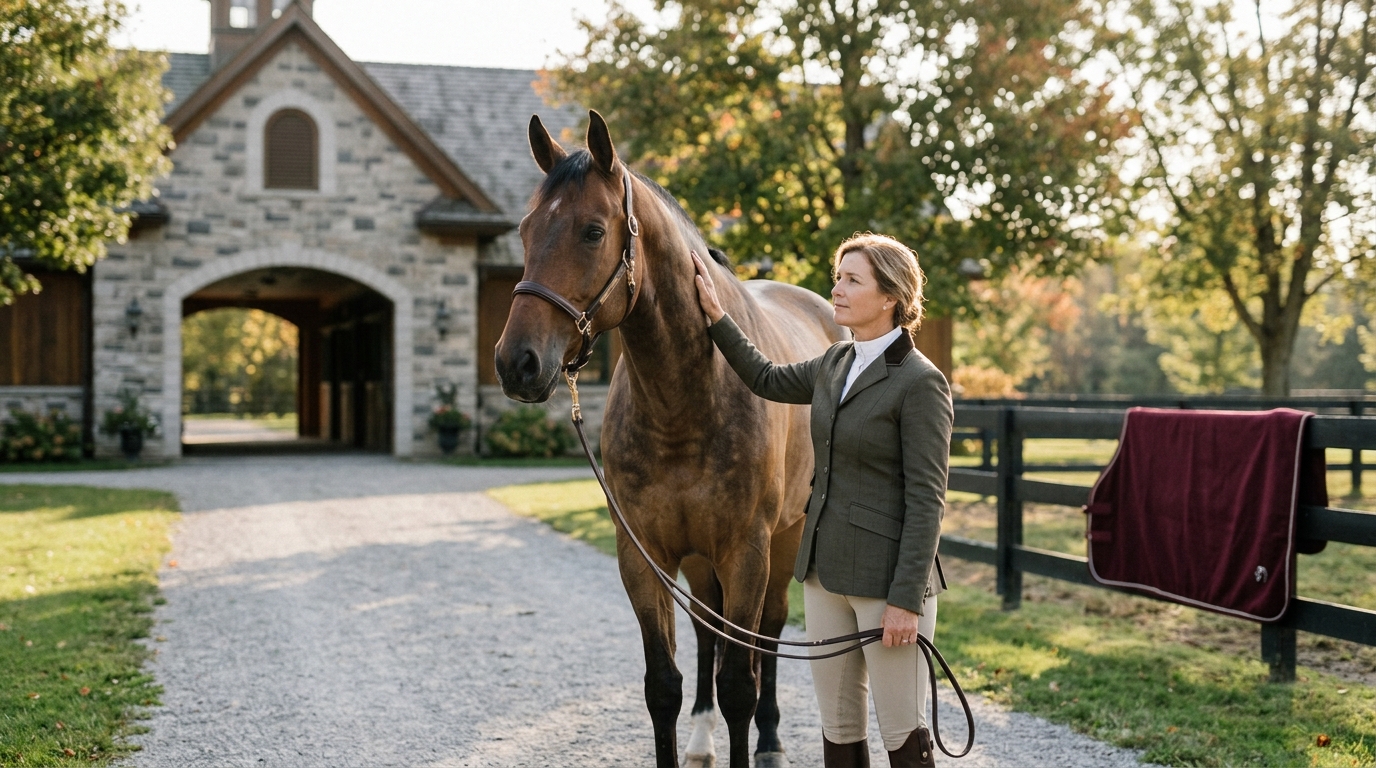
Prospective buyers frequently underestimate the financial and operational demands of equine acquisition. Recent industry data shows that average annual horse ownership costs exceed $4,500, with emergency veterinary interventions adding unpredictable expenses. Ownership costs fluctuate based on geography, discipline, and the animal's age. Securing the right partner requires systematic evaluation across multiple operational domains. This guide outlines the essential metrics you must verify before finalizing any transaction.
Aligning Discipline Requirements with Equine Capabilities
Matching your riding objectives to the animal's physical architecture prevents costly mismatches. Discipline matching is the systematic process of pairing specific athletic traits with competitive or recreational goals. A hunter requires a steady back and consistent stride, while a reining horse needs explosive hindquarter power. You should consult the Canadian Stable Directory to locate trainers who specialize in your target activity. Verify that the prospective animal has demonstrated success in the exact discipline you plan to pursue. Avoid horses marketed for multiple conflicting disciplines unless they possess verified championship records in each category.
Conformation Metrics
Physical structure directly dictates athletic longevity. You must evaluate shoulder angle, hip slope, and hoof pastern alignment. Poor conformation accelerates joint degradation and increases injury risk. Request video footage of the horse working at all three gaits before scheduling an in-person viewing. Independent conformation assessments reduce subjective bias during negotiations.
Movement Analysis
Fluid motion indicates proper musculoskeletal development. Watch for symmetrical stride length and relaxed poll carriage. Stiffness or uneven tracking often signals underlying orthopedic stress. Professional video analysis services provide frame-by-frame breakdowns that reveal hidden gait irregularities.
Evaluating Temperament and Trainability
Behavioral predictability determines daily handling safety and long-term training success. Behavioral predictability is the measurable consistency of an animal's responses to standard stimuli and handling protocols. A highly reactive horse demands advanced handling skills and specialized facilities. You should review the EquiTermz glossary to understand breed-specific behavioral tendencies. Request a trial period that allows you to ride the horse in varied environments. Observe how the animal reacts to traffic noise, sudden movements, and unfamiliar terrain. Document any fear responses or resistance patterns before committing to a purchase.

Behavioral Baselines
Establish clear behavioral baselines during the initial evaluation phase. Note the horse's reaction to mounting, bridling, and ground work. Consistent compliance with basic commands indicates a trainable temperament. Document any aggressive tendencies or extreme flight responses. These metrics directly impact insurance premiums and facility eligibility.
Calculating Long-Term Financial Commitments
Hidden expenses frequently derail new ownership plans. Recent market data shows that routine farrier services average $85 per visit, while annual vaccinations exceed $200. Routine care expenses scale with regional labor rates and feed quality. You must budget for emergency surgical interventions, which frequently exceed $5,000 per incident. Review the Farm of the Week features to understand premium facility standards and their associated operational costs. Secure comprehensive mortality and surgical insurance before transporting the animal. Calculate monthly feed, bedding, and boarding fees against your actual budget capacity. Never proceed with a purchase that requires compromising your emergency fund.
Insurance Models
Insurance structures vary significantly across regional markets. Standard mortality policies cover natural death and catastrophic injury. Surgical riders cover specific orthopedic procedures. Compare premium deductibles and claim processing timelines before selecting a provider. Some carriers require pre-purchase veterinary exams before issuing coverage.
Facility Requirements
Facility compatibility directly impacts long-term financial viability. Large draft breeds require reinforced stall doors and wider aisle widths. High-energy sport horses need specialized footing to prevent joint stress. Verify that your chosen boarding facility meets your specific management requirements. Factor in transportation costs and seasonal feed price fluctuations.
Verifying Legal Documentation and Health Records
Legal documentation protects your financial investment and ensures regulatory compliance. Registration compliance is the mandatory verification of breed registry status, microchip identification, and transfer of ownership paperwork. You must request complete vaccination records, including equine influenza and tetanus titers. Review the publisher contact directory to connect with certified equine attorneys for contract review. Verify that the seller holds clear title without outstanding liens or breeding restrictions. Request a comprehensive pre-purchase veterinary examination conducted by an independent practitioner. The exam must include flexion tests, nerve blocks, and radiographic imaging of high-stress joints.
Veterinary Examinations
Independent veterinary examinations reveal hidden orthopedic conditions. Blood work screens for metabolic disorders and infectious diseases. Radiographic imaging detects early-stage arthritis and stress fractures. Never waive a veterinary exam to accelerate the purchase timeline. These assessments directly influence your negotiation leverage and long-term care planning.
Registration Papers
Registration papers establish breeding eligibility and competition classification. Verify that the documentation matches the animal's physical markings and microchip number. Missing paperwork can restrict your horse from sanctioned competitions. Transfer fees and registry processing times vary by breed organization. Factor these administrative delays into your purchase timeline.
Matching Facility Infrastructure to Breed Standards
Environmental compatibility prevents chronic health complications. Horses with respiratory sensitivities require dust-free bedding and enhanced ventilation systems. High-altitude facilities may require gradual acclimation periods for lowland breeds. Consult the support portal to access regional facility management guidelines. Evaluate pasture drainage, fencing safety, and water source accessibility before finalizing your boarding arrangement. Ensure your facility meets local zoning regulations and agricultural noise ordinances. Proper environmental alignment reduces veterinary interventions and extends athletic longevity.
Regional Compliance
Regional compliance varies across provincial and state jurisdictions. Some areas require mandatory equine identification databases. Others enforce strict noise ordinances affecting barn operations. Verify local agricultural zoning laws before transporting your new acquisition. Non-compliance can result in substantial fines and mandatory facility modifications.
| Discipline Category | Primary Conformation Requirement | Temperament Profile | Estimated Annual Maintenance |
|---|---|---|---|
| Dressage | Long neck, sloped shoulder, elevated knee action | Focused, responsive, highly trainable | $4,200 to $5,800 (FY 2022 Preliminary) |
| Show Jumping | Compact build, powerful hindquarters, agile joints | Alert, courageous, quick recovery | $4,500 to $6,200 |
| Western Pleasure | nLevel back, smooth gait, relaxed carriage | Calm, steady, predictable under saddle | $3,800 to $5,100 (Statistics Courses Statistics) |
| Eventing | Balanced proportions, durable bone structure | Resilient, adaptable, confident across terrain | $4,800 to $6,500 (FY 2023 Preliminary) |
Key Takeaways
- Discipline matching requires verified athletic history in your target activity.
- Independent veterinary examinations must include radiographic imaging and flexion testing.
- Annual ownership expenses consistently exceed $4,500 across most regional markets.
- Registration compliance ensures competition eligibility and breeding rights.
- Facility infrastructure must align with breed-specific environmental requirements.
- Behavioral predictability directly impacts insurance premiums and handling safety.
- Securing comprehensive mortality and surgical coverage prevents catastrophic financial exposure.
Frequently Asked Questions
How long should a pre-purchase veterinary examination take?
A comprehensive pre-purchase examination typically requires two to four hours. The veterinarian evaluates cardiovascular function, respiratory capacity, and joint mobility. Radiographic imaging and blood work extend the timeline. Schedule the examination at least two weeks before your intended purchase date.
Can I negotiate the purchase price after a veterinary exam?
Yes, veterinary findings directly impact your negotiation leverage. Orthopedic abnormalities or respiratory conditions justify price reductions. Request written repair estimates from qualified specialists before finalizing your offer. Document all identified health concerns in the purchase contract.
What documentation do I need to transfer ownership legally?
You require a signed bill of sale, original registration papers, and a microchip transfer form. Some breed organizations require additional transfer fees and processing applications. Verify registry requirements before completing the financial transaction. Retain copies of all correspondence and payment receipts.
How do I evaluate pasture quality before boarding?
Assess soil composition, drainage patterns, and native grass species. Test soil samples for nutrient deficiencies and toxic plant contamination. Verify that fencing meets regional safety standards and livestock containment requirements. Schedule a seasonal pasture inspection to evaluate weed growth and erosion patterns.
What insurance coverage do I absolutely need?
Mortality insurance and surgical riders form the foundational coverage package. Liability coverage protects you against third-party injuries or property damage. Compare premium deductibles, claim processing timelines, and exclusions before selecting a provider. Maintain current veterinary records to ensure seamless claim processing.
How do I transport a newly purchased horse safely?
Professional equine transporters provide climate-controlled trailers and experienced handlers. Verify that the transporter maintains current livestock insurance and vehicle inspections. Schedule rest stops every four hours to provide water and monitor vital signs. Ensure all health certificates and travel permits are processed before departure.
Next Steps for Your Equine Acquisition
Securing the right equine partner requires systematic evaluation across multiple operational domains. You should schedule a consultation with a certified equine specialist to review your specific requirements. Visit the main portal to access comprehensive training resources and facility management guides. Book a private consultation today to begin your structured acquisition process.