
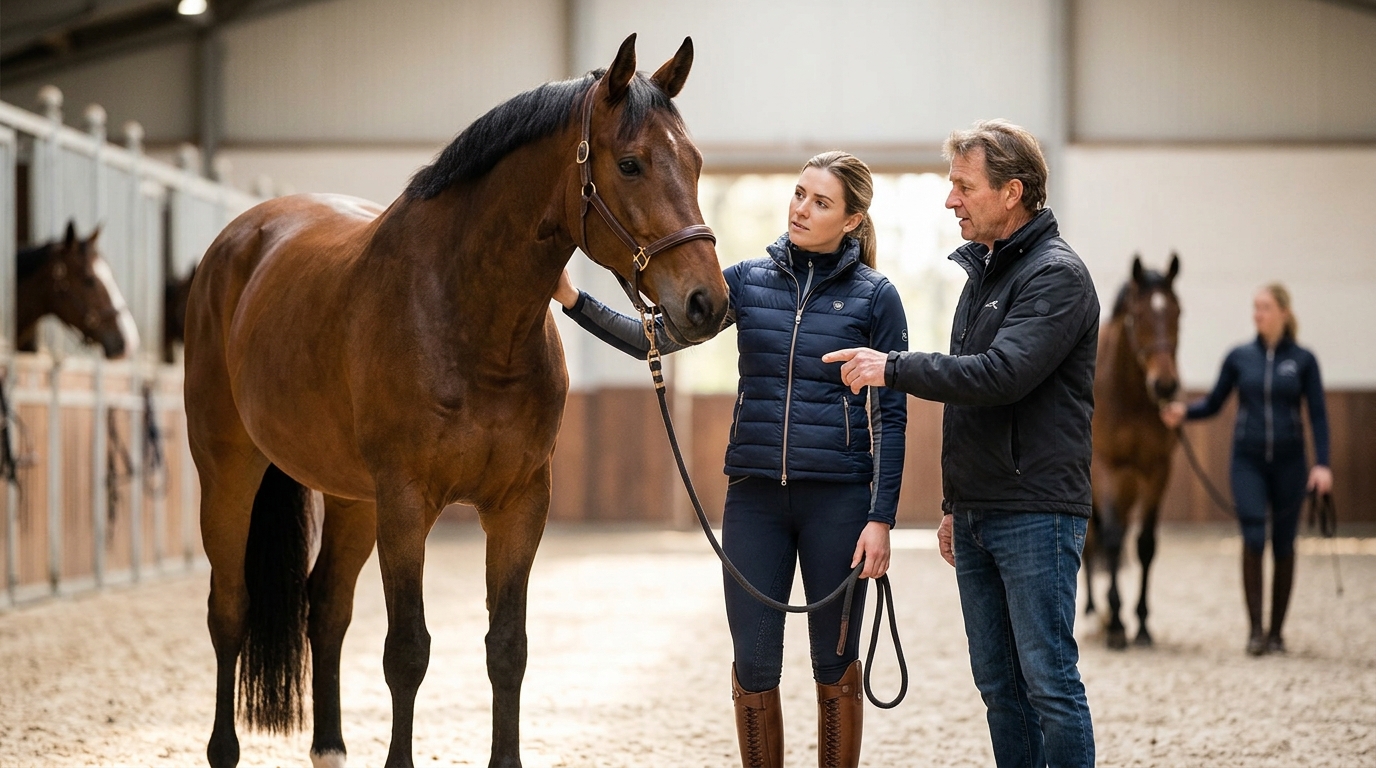
Buying a horse is one of the most exciting decisions an equestrian can make, but it is also one of the most complex. From matching your riding ability to the right breed and temperament, to understanding ongoing ownership costs, the process involves far more than simply choosing the prettiest animal in the barn. According to the horse shopping experts at Horse Sport, getting it wrong is like trying to fit a square peg into a round hole. This guide walks you through every critical factor so you can make a confident, informed purchase.
1. Honestly Assess Your Riding Skills and Goals
Before you start browsing listings, take an honest look at your current ability level. A rider assessment is a candid evaluation of your experience, fitness, and comfort in the saddle. As experienced coaches advise in Horse Sport's first-horse guide, it is important not to overestimate your riding skills or assume you can learn on a green horse.
Think about what discipline excites you most. A quiet trail rider needs a very different mount than someone who wants to compete in dressage or eventing. Your short-term and long-term goals should guide every subsequent decision, from breed selection to budget.
2. Choose the Right Breed and Type
Not every breed is suitable for every activity. You would not buy a heavy Warmblood for barrel racing, yet that same horse could excel in dressage. Conversely, an easy-going Quarter Horse or Appaloosa might be ideal for relaxed trail riding.
Matching Breed to Discipline
| Discipline | Common Breeds | Key Traits |
|---|---|---|
| Dressage | Warmblood, Hanoverian, Lusitano | Elastic gaits, trainability |
| Show Jumping | Warmblood, Thoroughbred, Holsteiner | Scope, athleticism, bravery |
| Eventing | Thoroughbred, Irish Sport Horse | Stamina, boldness, versatility |
| Trail / Pleasure | Quarter Horse, Appaloosa, Canadian | Calm temperament, sure-footedness |
| Western Performance | Quarter Horse, Paint | Quick reflexes, cow sense |
A common first-time buyer mistake is being overly fixated on colour or gender. As seasoned breeders note, a great horse is never a bad colour. Stay flexible and focus on suitability over aesthetics.
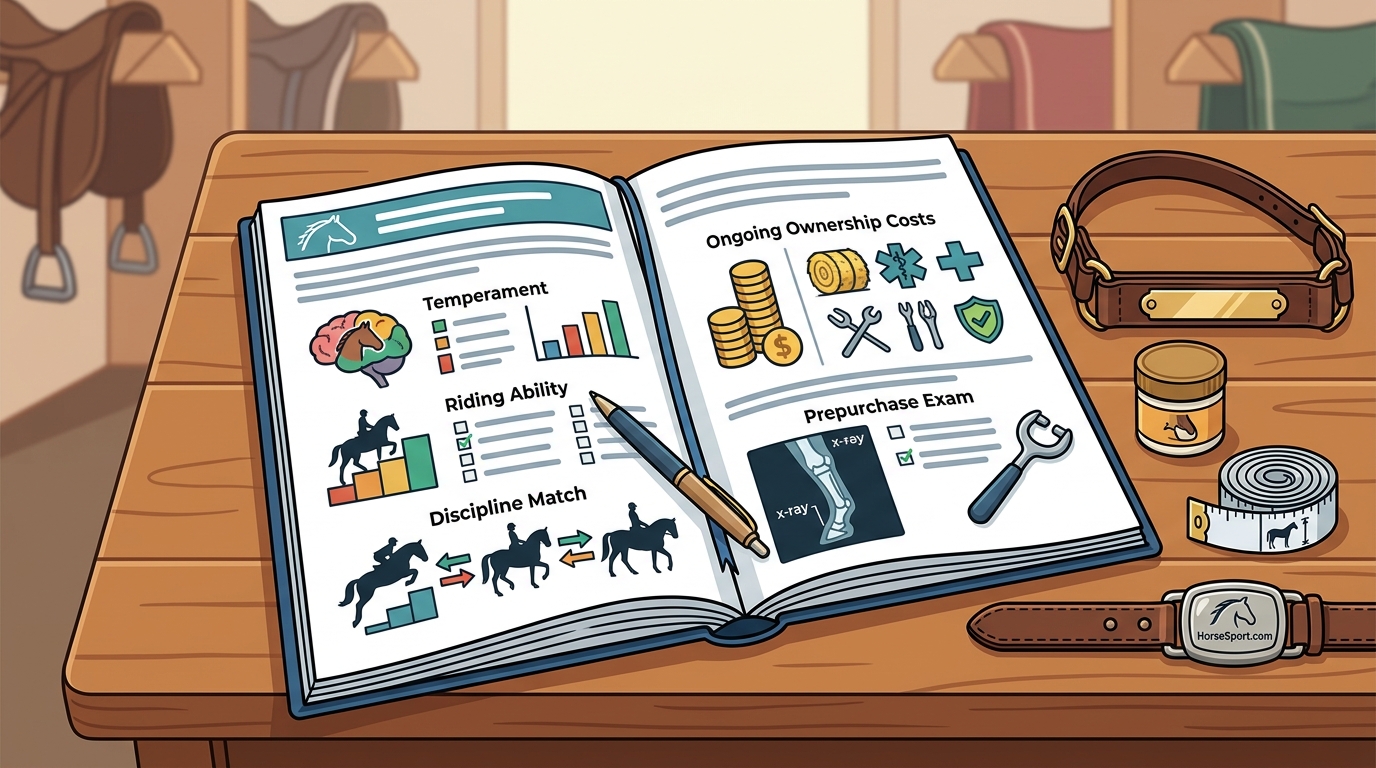
3. Evaluate Temperament and Age
Temperament is the horse's natural disposition and behavioral tendencies under various conditions. For novice riders, a mature horse with solid training, a kind nature, smooth gaits, and reliable brakes is the safest choice. The old saying holds true: a green horse and a green rider make a poor combination.
Age Considerations
For a first horse, aim for a minimum age of about 10 years. Never discount horses 15 or older, provided they have been well cared for. Younger, unstarted horses may seem like a bargain, but the training costs and safety risks often outweigh the savings.
Buying for a Child
When purchasing for a young rider, look for a horse that is suitable immediately rather than one a child might grow into. A horse that is too big, too strong, or too fast can be discouraging and even dangerous.
4. Schedule a Pre-Purchase Veterinary Exam
A pre-purchase exam (PPE) is a veterinary evaluation designed to uncover existing health issues and assess a horse's suitability for your intended use. The American Association of Equine Practitioners (AAEP) recommends tailoring the exam to your goals and choosing a vet familiar with the breed and discipline.
A standard PPE typically includes a review of medical history, vital signs at rest and after exercise, and an evaluation of the respiratory system, eyes, mouth, legs, joints, and hooves. Depending on intended use, additional diagnostics such as X-rays, ultrasounds, and blood panels may be recommended. Learn more about legal considerations in Horse Sport's pre-purchase exam legal guide.
Always use an independent veterinarian, not the seller's vet, to avoid conflicts of interest. Make it clear what purpose you are buying the horse for, as this influences which tests are necessary.
5. Understand the True Cost of Horse Ownership
The purchase price is often the smallest expense in horse ownership. According to the Synchrony Equine Lifetime of Care study, the lifetime cost of owning a horse ranges from $300,000 to $924,000 over approximately 25 years. On an annual basis, all-in costs range from roughly $8,600 for a backyard horse to $26,000 for a competition horse.
Typical Annual Expense Breakdown
| Expense Category | Estimated Annual Cost |
|---|---|
| Boarding (full care) | $7,200 - $30,000 |
| Feed and Supplements | $1,200 - $4,800 |
| Farrier (every 6-8 weeks) | $480 - $3,000 |
| Routine Veterinary Care | $300 - $700 |
| Insurance (mortality/medical) | $150 - $1,000 |
| Tack and Equipment | $100 - $500 |
Budget an emergency fund of at least $2,000 to $5,000 for unexpected vet bills. Colic surgery alone can cost several thousand dollars. For tips on maintaining hoof health through nutrition, check out Horse Sport's discipline-by-discipline guide.
6. Work With Trusted Professionals
Whether it is your first horse or your fiftieth, partnering with a trusted professional in the horse industry is the single most important step. Your instructor or coach knows your abilities and will have relationships with reputable sellers, breeders, and veterinarians.
An agent is someone employed to negotiate a deal on your behalf. When using an agent to buy or sell a horse, make sure you understand who the agent is working for. If you have not hired the agent, they may be working in the seller's interest. A clear written agreement about authority and commission prevents misunderstandings.
For those considering importing horses, Horse Sport's guide to buying horses in Europe explains how to work with overseas agents and dealing barns effectively.
7. Consider Trials, Contracts, and Insurance
If you like what you see during the first visit, go back for a second ride. Some professionals recommend trying the horse at a secondary location or even at a show to see how it behaves away from home. A trial period is a short-term arrangement, typically two weeks to a month, where you ride and care for the horse before committing to purchase.
Trials carry risk for both parties. Write a detailed contract specifying who is responsible for veterinary bills, and take out full mortality insurance with the owner named as beneficiary during the trial. Accept that no horse is perfect, especially on a limited budget. Minor findings on a PPE or cosmetic conformation flaws may be acceptable trade-offs for an otherwise ideal partner.
Key Takeaways
- Be honest about your riding level and match your horse to your current abilities, not your aspirations.
- Choose breed and type based on your discipline, not on colour or gender preferences.
- For first-time buyers, a mature, well-trained horse (10 years or older) is usually the safest bet.
- Always invest in an independent pre-purchase veterinary exam tailored to your intended use.
- Budget for the ongoing costs of ownership, which can reach $8,600 to $26,000 or more per year.
- Work with a trusted coach, trainer, or agent who understands your goals and budget.
- Use written contracts and insurance to protect both buyer and seller during trials.
Frequently Asked Questions
What is the most important factor when buying a horse?
Matching the horse to your current riding ability and intended discipline is the most critical factor. A horse that does not suit your skill level can be frustrating, unproductive, and even dangerous. Consult your coach or instructor before making a decision.
How much does a pre-purchase exam cost?
A basic PPE typically costs $250 to $500, while more comprehensive exams with X-rays and blood work can run $1,000 to $2,500 or more. The AAEP recommends discussing costs and procedures with your veterinarian upfront.
What ongoing costs should I budget for?
Key recurring expenses include boarding ($600 to $2,500 per month for full care), farrier visits every six to eight weeks ($50 to $250 per visit), routine vet care ($300 to $700 annually), feed ($100 to $400 monthly), and an emergency fund of at least $2,000.
Should I buy a young horse or an older horse?
Novice and intermediate riders are best served by a mature horse (10 years or older) with solid training and a proven track record. Younger horses require experienced handling and significant training investment.
Is it better to use an agent when buying a horse?
An agent can be invaluable for locating suitable horses and negotiating fair deals. However, always clarify who the agent represents and establish a written agreement covering authority, scope, and commission before proceeding.
What breeds are best for first-time horse owners?
Quarter Horses, Appaloosas, and Canadian horses are popular choices for beginners due to their calm temperaments and versatility. That said, temperament and training matter more than breed alone.
Can I try a horse before buying it?
Many sellers allow trial periods of two weeks to a month. Ensure you have a detailed contract in place and take out temporary insurance covering mortality and major medical during the trial.
What red flags should I watch for when buying a horse?
If a seller refuses to allow a veterinary pre-purchase exam, that is a major red flag and you should walk away. Also watch for inconsistencies in the horse's described history, signs of behavioral issues like cribbing or weaving, and reluctance to provide references.
Start Your Horse-Buying Journey With Confidence
Ready to find your perfect equine partner? Explore more expert advice on horse shopping tips, pre-purchase exam essentials, and everything equestrian at HorseSport.com, Canada's equestrian authority for over 50 years.