
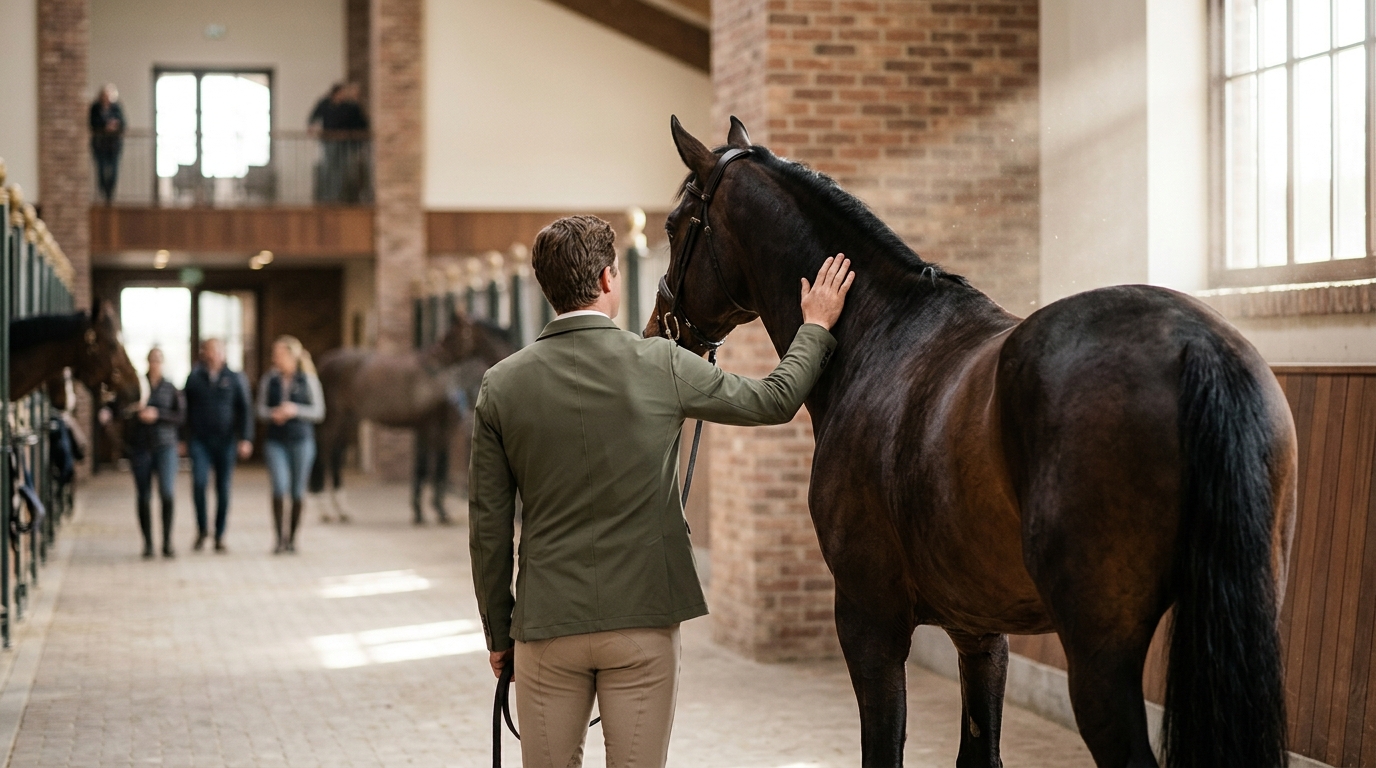
Buying a horse is one of the most exciting decisions an equestrian can make, but it is also one of the most consequential. Whether you are a first-time buyer or a seasoned competitor searching for your next partner, making an informed choice can save you years of frustration and thousands of dollars. A pre-purchase exam is a veterinary evaluation designed to detect physical defects and health issues before you finalize a sale. This guide covers the essential factors every buyer should evaluate, from breed and temperament to budget and legal considerations, so you can ride away with confidence.
1. Define Your Riding Goals and Experience Level
Before you start browsing listings, be honest about your abilities. Multi-discipline coach and judge Lindsay Grice compares buying the wrong horse to trying to fit a square peg into a round hole. Consider whether you want a quiet trail partner, a competitive show horse, or a versatile all-rounder.
A novice rider's best bet is a mature horse with solid training, a kind nature, and good brakes. If you are buying for a child, look for a horse that suits the rider right now, not one the child will "grow into" two years later. A horse that is too big, too strong, or too fast can be dangerous for a young rider.
2. Choose the Right Breed and Type
Breed selection is the process of matching a horse's innate physical and mental traits to your intended discipline. Not every breed is suitable for every activity. For example, an easy-going Quarter Horse or Appaloosa may be ideal for trail riding, while a Thoroughbred could be perfect for eventing, and a Warmblood often excels at dressage.
Breed Suitability at a Glance
| Discipline | Commonly Suited Breeds | Key Traits |
|---|---|---|
| Trail Riding | Quarter Horse, Appaloosa, Canadian | Calm temperament, sure-footed |
| Dressage | Warmblood, Hanoverian, Lusitano | Athletic movement, trainability |
| Eventing | Thoroughbred, Irish Sport Horse | Stamina, boldness, agility |
| Western Performance | Quarter Horse, Paint | Quick reflexes, cow sense |
| Hunter/Jumper | Warmblood, Thoroughbred, Holsteiner | Scope, careful technique |
Age and gender also matter. According to Rutgers Equine Science Center, geldings are generally more stable and provide steadier day-to-day performance than mares or stallions for most recreational riders.
3. Evaluate Temperament and Behaviour
Temperament is a horse's consistent emotional and behavioural disposition. Spend time with any prospect on the ground and under saddle. Ask the seller about vices such as cribbing, weaving, or bucking, and observe how the horse reacts to mounting, bridling, and hoof handling.
If you like what you see the first time, arrange a second visit. Hunter/jumper specialist Beth Underhill suggests trying the horse at a secondary location or even at a show to see how it handles new environments. A horse with consistent behaviour is more predictable and safer, especially for less experienced riders.
4. Assess Conformation and Soundness
Conformation is the overall structure and physical proportions of a horse's body. Good conformation reduces the risk of injury and supports long-term athletic performance. Look for balanced proportions, correct leg alignment, and well-shaped hooves.
Understanding hind leg conformation is particularly important. Abnormalities like sickle hocks or cow hocks can lead to arthritis, bog spavins, and ligament strain during heavy work. A horse with balanced conformation suited to your discipline will be more likely to stay sound over time.
Nutrition and Long-Term Soundness
Proper nutrition during growth directly affects structural soundness into adulthood. According to equine nutritionist Dr. Shannon Pratt-Phillips, a young horse fed correctly to achieve its genetic conformation potential will be more likely to maintain soundness throughout its career.
5. Schedule a Pre-Purchase Veterinary Exam
The purpose of a pre-purchase exam is to obtain as much information as possible about the horse's health and to detect any physical defects. According to equine lawyer Catherine Willson, writing for Horse Sport, it is critical to make your intended purpose clear to the examining veterinarian because courts have indicated that a proper pre-purchase opinion must account for the buyer's intended use.
What a Basic Exam Includes
- Review of medical history and vital signs at rest and after exercise
- Evaluation of the respiratory and digestive systems
- Examination of eyes, mouth, legs, back, joints, and hooves
- Flexion tests, and potentially x-rays and blood work
Always use an independent veterinarian rather than the seller's vet to avoid conflicts of interest. For competitive sport horses, additional diagnostics such as ultrasounds and radiographs of the feet, hocks, and knees may be warranted.
6. Understand the True Cost of Ownership
The initial purchase price is often the least expensive part of owning a horse. According to the Synchrony Equine Lifetime of Care study, annual costs range from roughly $8,600 for backyard horses to $26,000 for competition horses, and the actual lifetime total is three to four times higher than what most owners expect.
Estimated Annual Ownership Costs
| Expense Category | Estimated Annual Range (USD) |
|---|---|
| Full-Care Boarding | $7,200 - $30,000 |
| Feed & Supplements | $1,200 - $4,800 |
| Routine Veterinary Care | $300 - $700 |
| Farrier (every 6-8 weeks) | $480 - $3,000 |
| Insurance (mortality + medical) | $150 - $1,000 |
| Training / Lessons | $2,400 - $6,000 |
Budget for emergencies as well. Colic surgery alone can cost several thousand dollars. Financial experts recommend keeping at least $1,000 to $2,000 readily available for unexpected veterinary expenses. Understanding long-term equine health management can also help you prepare for the realities of ongoing care.
7. Work with Agents and Understand Legal Protections
Many buyers rely on a trusted trainer or agent to help locate and evaluate horses. An agent is someone employed by a person to negotiate a deal with a third party. However, as equine lawyer Catherine Willson explains, the agent may appear to be your best friend, but if you have not hired them, they are working for the other side.
If you are buying horses from Europe, working with a reputable agent becomes even more important. Agents who follow horses from young horse classes through upper-level competition can stand behind their recommendations with confidence. Always put the terms of the agency relationship in writing to avoid misunderstandings.
Contracts and Trial Periods
Whether you opt for a short trial of two to four weeks or a longer lease-to-buy arrangement, draft a clear contract that outlines responsibility for vet bills, insurance, and liability. A full mortality insurance policy during any trial period is strongly recommended.
Key Takeaways
- Match your riding goals and honest skill level to the right breed, age, and temperament before you start shopping.
- Always schedule an independent pre-purchase veterinary exam that accounts for your intended use of the horse.
- Evaluate conformation carefully. Structural flaws like sickle hocks can lead to chronic soundness issues.
- Budget for ongoing costs, not just the purchase price. Annual ownership expenses can range from $8,600 to $26,000 or more.
- Use an agent you trust, but understand who they work for and get the relationship in writing.
- Visit the horse at least twice, and if possible, ride it in a new environment before committing.
- Accept that no horse is perfect. Prioritize soundness, temperament, and suitability over appearance.
Frequently Asked Questions
What is the most important factor when buying a horse?
Suitability is the single most important factor. The horse's breed, training level, and temperament should match your riding ability, discipline, and long-term goals. A mismatch leads to frustration, safety risks, and added expense.
How much does a pre-purchase exam cost?
A basic pre-purchase exam typically costs $250 to $500. Adding x-rays, ultrasounds, or blood work can bring the total to $1,000 or more, depending on the scope and your geographic area.
Should I buy a young or older horse?
For beginners, an older horse with solid training is usually safer and more rewarding. Younger horses may cost less upfront but require significant time and professional training. Many horses live to age 20 or older while remaining serviceable.
What are common red flags when horse shopping?
Watch for reluctance to provide veterinary records, a seller who will not let you ride the horse unsupervised, signs of lameness such as uneven gait, and behavioural vices like cribbing or weaving. If the horse performs much better for the handler than for you, it may require a more advanced rider.
Do I need an agent to buy a horse?
An agent is not required, but a knowledgeable trainer or professional can help you avoid costly mistakes. Just be clear about who the agent represents and ensure their commission structure is transparent.
How much does it cost to own a horse per year?
According to industry studies, basic annual costs range from about $3,000 for a pasture-kept horse to over $26,000 for a competitive sport horse. The Synchrony Equine Lifetime of Care report estimates lifetime costs between $300,000 and $924,000 over 25 years.
Can I try a horse before I buy it?
Yes. Many sellers allow short trial periods of two to four weeks or longer lease-to-buy arrangements. Always draft a written contract covering liability, insurance, and veterinary responsibilities during the trial.
What should I look for in a horse's conformation?
Look for balanced proportions, straight leg alignment, well-shaped hooves, and a strong topline. Conformational flaws such as sickle hocks, cow hocks, or excessively long pasterns increase injury risk, especially in sport horses.
Start Your Horse Search the Smart Way
Ready to find your ideal equine partner? Explore more expert advice on breed selection, training, nutrition, and equine law at Horse Sport, Canada's equestrian authority for over 50 years. Subscribe to our newsletter for the latest insights delivered straight to your inbox.