
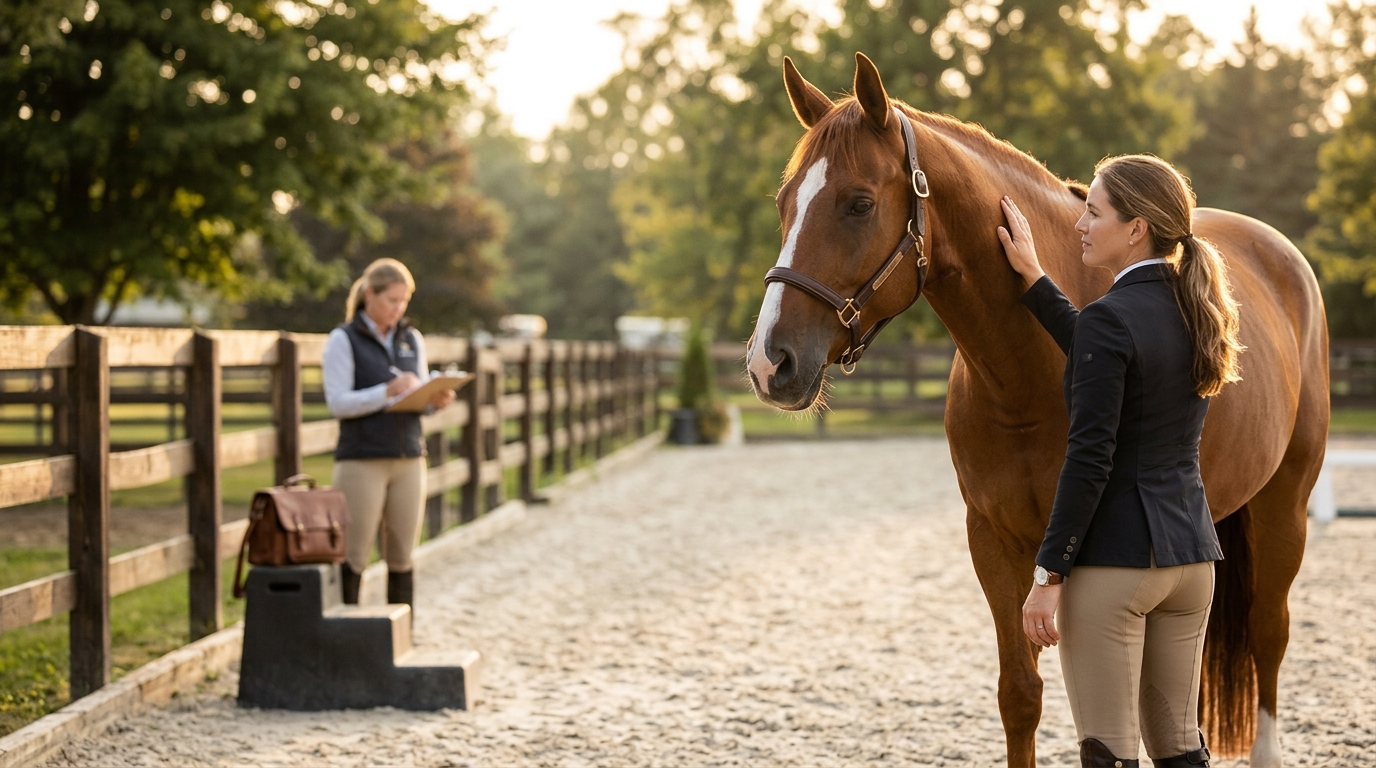
Buying a horse is one of the most exciting decisions an equestrian can make, but it is also one of the most consequential. A pre-purchase examination is a veterinary evaluation designed to uncover current health issues and potential future problems before you finalize a sale. Whether you are a first-time buyer or a seasoned competitor searching for your next partner, the process demands careful thought across several categories: your riding goals, budget, the horse's health and temperament, and long-term ownership costs. This guide walks you through every key factor so you can make a confident, informed decision.
1. Define Your Riding Goals and Discipline
Before you start browsing listings, clarify what you want to do with your horse. As multi-discipline coach Lindsay Grice explains, buying the wrong horse is like trying to fit a square peg into a round hole. A heavy Warmblood may excel in dressage but would be a poor fit for barrel racing, while a Thoroughbred fresh off the track is unlikely to suit a rider looking for quiet trail rides.
Write down your discipline, competitive ambitions, and how frequently you plan to ride. This clarity will narrow your search and prevent costly mistakes.
2. Set a Realistic Budget
The purchase price is only the beginning of your financial commitment. A Synchrony study found that all-in annual costs for owning a horse range from roughly $8,600 to $26,000 per year, not including competition expenses. The same study estimated lifetime ownership costs between $300,000 and $924,000 over an average 25-year lifespan.
| Expense Category | Low Estimate | High Estimate |
|---|---|---|
| Boarding | $3,600 | $18,000 |
| Feed and Hay | $1,200 | $3,600 |
| Farrier (every 6-8 weeks) | $480 | $1,800 |
| Routine Veterinary Care | $300 | $700 |
| Training and Lessons | $2,400 | $6,000 |
| Insurance and Miscellaneous | $600 | $2,000 |
| Total | $8,580 | $32,100 |
Build an emergency fund on top of these recurring expenses. Colic surgery alone can cost up to $15,000. Budget honestly before you fall in love with a horse you cannot afford to keep.
3. Evaluate Breed, Conformation, and Age
Conformation is the physical inherited structure of a horse that directly influences soundness and performance potential. According to the USHJA Trainer Certification Manual, as featured on Horse Sport, poor conformation invariably contributes to structural weakness, unsoundness, or impaired performance.
Breed Suitability
Match the breed to the job. Quarter Horses and Appaloosas tend to suit western disciplines and trail riding. Warmbloods and Thoroughbreds dominate dressage, eventing, and show jumping. Keep an open mind about colour and gender. As one breeder advises in the Top 10 Tips for Buying Your First Horse, "a great horse is never a bad color."
Age Considerations
For novice riders, a horse of at least 10 years old with solid training is the safest choice. Avoid pairing a green (inexperienced) rider with a green horse. The old expression "green plus green equals black and blue" is a reliable warning.
4. Assess Temperament and Training Level
Temperament is a horse's natural disposition, including its willingness to work, reactivity, and behaviour under stress. A horse with a kind nature, smooth gaits, and reliable brakes is ideal for beginners. Ride the horse at least twice, and if possible, try it at a different location or even at a show to see how it handles new environments.
Be honest about your own ability. Overestimating your skill level is one of the most common mistakes first-time buyers make. Consult your coach for a realistic assessment before committing.
5. Schedule a Pre-Purchase Exam
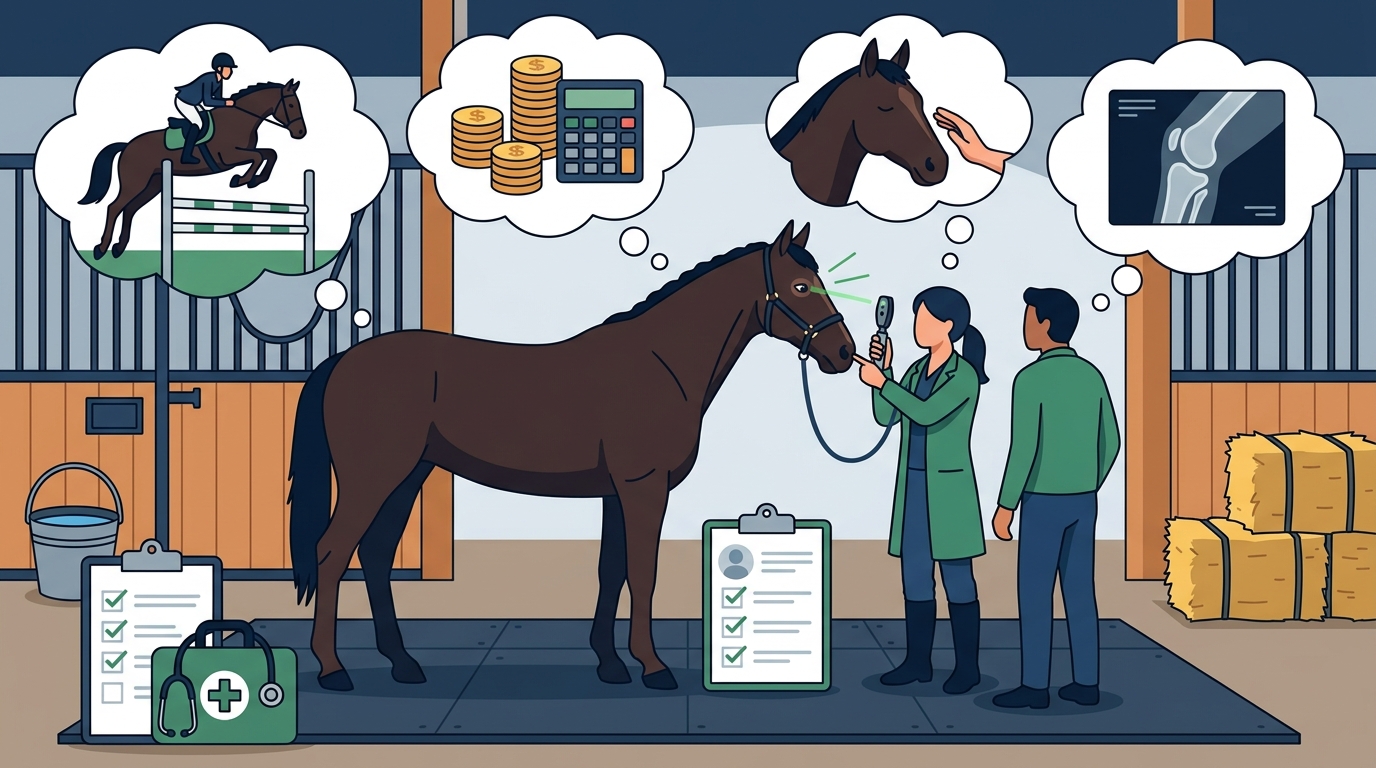
Never skip this step. The purpose of a pre-purchase exam is to obtain as much information as possible about the horse's health and detect any physical defects so you can make an educated buying decision. A basic exam typically includes a review of medical history, vital signs before and after exercise, and evaluation of the respiratory system, eyes, legs, joints, and hooves.
Choosing the Right Vet
Use an independent equine veterinarian, not the seller's vet, to avoid conflicts of interest. As equine lawyer Catherine Willson notes on Horse Sport, this independence is critical because courts have held that a proper pre-purchase opinion must account for the buyer's intended use.
Additional Diagnostics
For higher-value sport horses, consider adding X-rays, ultrasounds, and blood work to the standard physical exam. When buying horses from Europe, blood work is especially important for import clearance into North America.
6. Plan for Ongoing Ownership Costs
Nutrition has a profound impact on the soundness and usefulness of any horse. Work with an equine nutritionist to develop a feeding plan that supports bone development, joint health, and athletic performance over the long term.
Beyond feed, ongoing costs include regular farrier visits every six to eight weeks, annual vaccinations for rabies, tetanus, West Nile virus, and influenza, plus dental floating at least once a year. Factor in boarding, insurance, tack, and the inevitable surprise vet bill.
7. Work with Trusted Professionals
An agent is someone employed by a buyer or seller to negotiate a horse deal on their behalf. Many buyers hire their trainer or an experienced horse professional to help locate and evaluate prospects. As Catherine Willson explains in her legal guide on Horse Sport, it is important to remember for whom the agent is working and to establish a clear written agreement outlining the scope of their authority.
Ask around about the seller's reputation. The equestrian community is small, and word travels fast. A trusted coach can help you separate genuine opportunities from overpriced or misrepresented horses.
Key Takeaways
- Clarify your discipline and riding goals before you start shopping for a horse.
- Budget for annual ownership costs of $8,600 to $26,000 or more, not just the purchase price.
- Match breed and conformation to your intended use; poor conformation leads to unsoundness.
- Ride the horse multiple times and in different settings before committing.
- Always get an independent pre-purchase veterinary exam, including diagnostics appropriate to the horse's value and intended job.
- Work with a trusted coach or agent who has your best interests at heart.
- Plan for long-term nutrition, farrier care, veterinary expenses, and emergency costs from day one.
Frequently Asked Questions
How much does it cost to buy a horse?
Purchase prices range from a few hundred dollars for an unregistered pleasure horse to well over $100,000 for a trained sport horse. Most recreational horses sell for under $10,000. Remember, the purchase price is a small fraction of total ownership costs.
What is a pre-purchase exam and why is it important?
A pre-purchase exam is a veterinary evaluation that assesses a horse's health, soundness, and suitability for your intended use. It helps you avoid buying a horse with hidden health problems that could lead to expensive treatments or early retirement.
What breed of horse is best for beginners?
Breeds known for calm temperaments, such as the Quarter Horse, Appaloosa, and Canadian, are popular choices for novice riders. However, individual temperament and training matter more than breed alone.
How old should a horse be for a first-time buyer?
A horse that is at least 10 years old with solid training and a gentle disposition is generally the safest option for a first-time owner. Well-cared-for horses aged 15 or older can also be excellent choices.
Should I use a trainer or agent when buying a horse?
Yes. A knowledgeable trainer or agent can evaluate a horse's suitability, negotiate on your behalf, and help you avoid common pitfalls. Make sure you understand who the agent represents and put your agreement in writing.
What ongoing costs should I expect after buying a horse?
Expect to budget for boarding, feed, farrier visits every six to eight weeks, annual veterinary care, dental work, insurance, and tack maintenance. Emergency veterinary costs can add thousands of dollars in any given year.
Can I try a horse before I buy it?
Many sellers allow trial periods ranging from two weeks to a month, or a lease-to-buy arrangement. If you pursue a trial, both parties should sign a detailed contract and the buyer should take out a full mortality insurance policy for the trial period.
What conformation faults should I watch for?
Look for overall balance and symmetry. Common concerns include a long, weak back, upright pasterns, offset knees, and mismatched hoof angles. A horse with good structure will learn tasks more readily and stay sound longer.
Ready to Find Your Next Horse?
Explore more expert advice on horse shopping, ownership, and equine health at Horse Sport. From breed selection and conformation analysis to nutrition planning and legal considerations, our library of articles from Canada's leading equestrian experts will help you make the best decision for you and your future partner.