
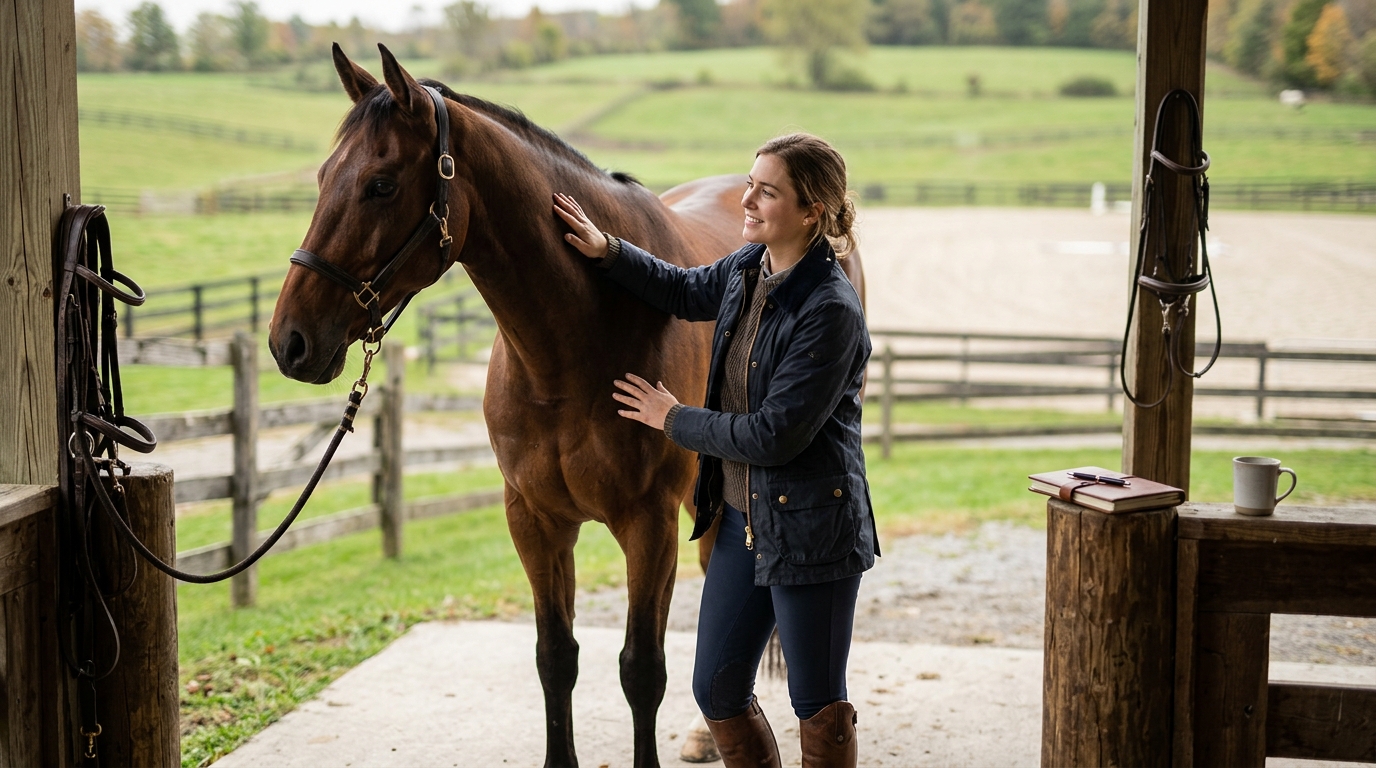
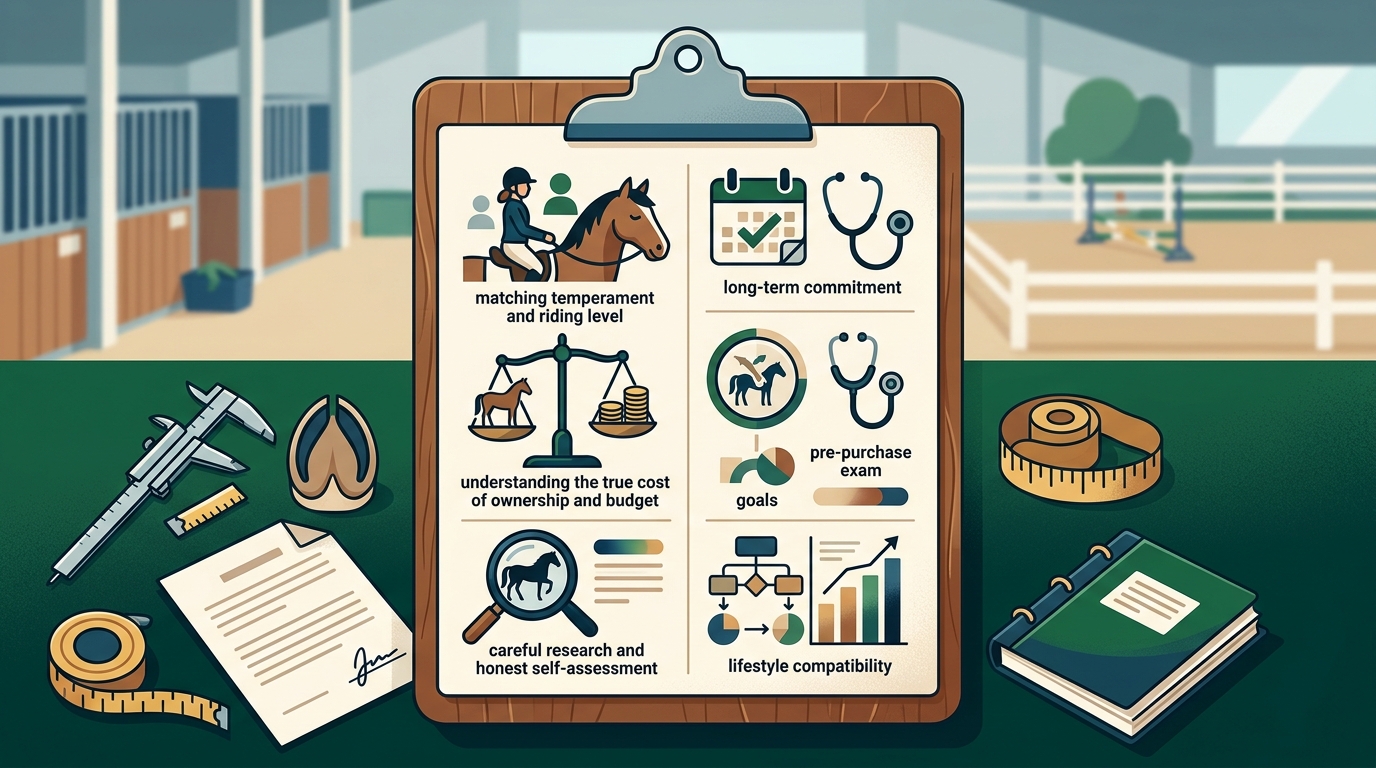
Buying a horse is one of the most exciting decisions an equestrian can make, but it is also one of the most consequential. From matching temperament to your riding level, to understanding the true cost of ownership, the process demands careful research and honest self-assessment. A rushed purchase based on emotion rather than evaluation can lead to frustration, safety concerns, and financial strain. This guide walks you through every essential factor so you can find the right horse for your goals, lifestyle, and budget, and enjoy a rewarding partnership for years to come.
Define Your Riding Goals and Discipline
Before you browse a single listing, get crystal clear on what you want to do with your horse. Are you planning to compete in dressage, show jumping, or eventing? Or do you simply want a calm partner for trail riding with friends? Your intended discipline shapes virtually every other decision you will make.
As multi-discipline coach and judge Lindsay Grice explains, buying the wrong horse is like trying to fit a square peg into a round hole. A heavy Warmblood may excel at dressage but would be a poor choice for barrel racing, while a Thoroughbred fresh off the track is unlikely to suit a rider seeking quiet trail rides.
Choose the Right Breed and Type
A horse breed is a population of horses that shares consistent physical traits, temperament tendencies, and athletic aptitudes passed through selective breeding. Not every breed is suitable for every activity, so aligning breed characteristics with your discipline is essential.
Matching Breed to Discipline
If you are interested in jumping, eventing, or dressage, consider Thoroughbreds, Warmbloods, or sport-horse crosses. For western disciplines, a Quarter Horse, Paint, or Appaloosa is typically more appropriate. Pleasure riders who value temperament over competition pedigree will find that breed matters less than the individual horse's disposition.
Age and Gender Considerations
Younger horses may need more training, while older horses bring experience but may carry more physical wear. Geldings are generally more stable in day-to-day performance. Unless you plan to breed or compete at the highest level, avoid stallions, which can be strong-willed and unpredictable.
Evaluate Temperament and Training Level
Temperament is the horse's natural disposition toward people, work, and stimuli. It is arguably the single most important factor for safety and enjoyment. A horse with a kind, forgiving nature will build your confidence, while a reactive or anxious horse may be discouraging or dangerous, especially for a novice.
Be brutally honest about your riding ability. The old adage holds true: a green horse and a green rider make a poor combination. If you are a beginner, look for a mature horse with solid training, smooth gaits, correct leads, and reliable brakes. Observe how the horse behaves during grooming, tacking up, and loading to assess ground manners beyond the arena.
Assess Conformation and Soundness
Conformation is the correctness of a horse's bone structure, musculature, and body proportions relative to its breed standard and intended use. Poor conformation can predispose a horse to lameness and limit its athletic career.
Look for balanced proportions, straight legs, and sound hooves. Specific faults like sickle hocks or cow hocks place excess stress on joints and ligaments, increasing injury risk during heavy work. Horse Sport's detailed guide to hind leg conformation explains how structural flaws affect long-term soundness. For sport-horse buyers, understanding how conformation influences dressage performance can help you evaluate prospects with more precision.
Schedule a Pre-Purchase Veterinary Exam
A pre-purchase exam (PPE) is a veterinary evaluation designed to detect current health issues and potential future problems before you commit to a purchase. According to the American Association of Equine Practitioners (AAEP), the exam should be tailored to the buyer's goals and the horse's intended use.
A basic PPE typically includes a review of medical history, vital signs at rest and after exercise, lameness evaluation, flexion tests, and assessment of the respiratory and digestive systems, eyes, mouth, legs, back, joints, and hooves. For competitive sport horses, your vet may recommend x-rays and ultrasounds of high-stress joints. Learn more about the legal aspects of the process in Horse Sport's article on what you should know when buying a horse.
Choosing an Independent Vet
Always hire a veterinarian who is independent from the seller. Using the seller's regular vet can create conflicts of interest and may result in less thorough testing. Make it clear what you intend to use the horse for, as the purpose of purchase may dictate the types and depth of tests performed.
Understand the True Cost of Ownership
The purchase price is often the least expensive part of horse ownership. According to a Synchrony study surveying over 1,200 U.S. horse owners, annual costs range from approximately $8,600 for backyard horses to $26,000 for competition horses, not including show expenses or operating costs.
| Expense Category | Low Estimate | High Estimate |
|---|---|---|
| Board / Housing | $3,000 | $30,000 |
| Feed & Supplements | $1,200 | $4,800 |
| Farrier (trimming/shoeing) | $200 | $2,500 |
| Routine Veterinary Care | $300 | $700 |
| Insurance | $300 | $1,000+ |
| Training / Lessons | $0 | $6,000 |
| Tack & Equipment | $500 | $3,000 |
Budget for an emergency fund as well. Many owners set aside an additional 10 to 20 percent of their annual routine budget, or a flat $2,000 to $5,000, for unexpected vet bills. Understanding how nutrition supports soundness and longevity can help you invest wisely in feed and supplements that protect your horse's health over time.
Work with Trusted Professionals
Many experienced buyers never shop alone. A knowledgeable trainer, instructor, or agent can evaluate horses on your behalf, spot red flags you might miss, and negotiate more effectively. As Horse Sport's guide to using an agent when buying or selling a horse explains, it is critical to understand who the agent works for and where their interests lie.
If you are considering importing a horse, the process adds complexity around transport, quarantine, and customs duties. Horse Sport's Buying Horses in Europe 101 guide covers practical steps, from selecting a trustworthy overseas agent to coordinating blood work that meets North American import requirements.
Trial Periods and Contracts
Some sellers offer short trial periods of two weeks to a month, or longer lease-to-own arrangements. If you pursue a trial, draw up a detailed contract covering liability, insurance, and veterinary responsibility. Taking out a full mortality insurance policy during the trial protects both parties.
Key Takeaways
- Clarify your riding discipline and goals before you start shopping; every other decision flows from this.
- Match breed, age, and gender to your experience level and intended use.
- Prioritize temperament and training over flashy looks, especially if you are a beginner.
- Evaluate conformation carefully, as structural faults can lead to chronic soundness issues.
- Always invest in an independent pre-purchase veterinary exam tailored to your intended discipline.
- Budget for the full cost of ownership, not just the purchase price; annual expenses can reach $8,600 to $26,000 or more.
- Bring a trusted trainer, instructor, or agent along to provide an objective second opinion.
Frequently Asked Questions
What is the most important factor when buying a horse?
Temperament and suitability for your experience level are widely considered the most important factors. A horse that matches your skill and goals keeps you safe, builds your confidence, and makes the partnership enjoyable long-term.
How much does a pre-purchase exam cost?
A basic pre-purchase exam typically costs $250 to $500. Adding x-rays, ultrasounds, or blood panels for a sport horse can raise the total to $1,000 to $2,500 or more depending on the scope.
Should a beginner buy a young horse?
Generally, no. Young or green horses require experienced handling. Beginners are better served by a mature, well-trained horse that can teach them correct fundamentals safely.
How much does it really cost to own a horse per year?
Annual costs vary widely. A Synchrony study found that backyard horse owners spend about $8,600 per year on basic care, while competition horse owners spend roughly $26,000, not including show fees and travel.
What should I look for in a horse's conformation?
Look for balanced proportions, straight and correctly angled legs, a strong back, and healthy hooves. Structural faults like sickle hocks, long pasterns, or an excessively long back can predispose the horse to injury.
Do I need an agent to buy a horse?
An agent is not required, but working with one is highly recommended, especially for first-time buyers or when purchasing overseas. An agent can locate suitable prospects, assess fit, and negotiate on your behalf.
Is it better to buy a mare or a gelding?
Geldings tend to offer more consistent, day-to-day behavior. Some mares may show mood changes related to their estrous cycle. However, many mares make outstanding partners, so temperament should be evaluated on an individual basis.
What questions should I ask the seller?
Ask about the horse's medical and training history, vaccination and deworming records, any vices or behavioral issues, reason for selling, competition record if applicable, and whether a trial period is available.
Ready to Find Your Next Horse?
Start your search with confidence. Explore expert buying advice, training tips, and equine health resources on Horse Sport, Canada's equestrian authority for over 50 years. Subscribe to our newsletter for the latest insights delivered straight to your inbox.