
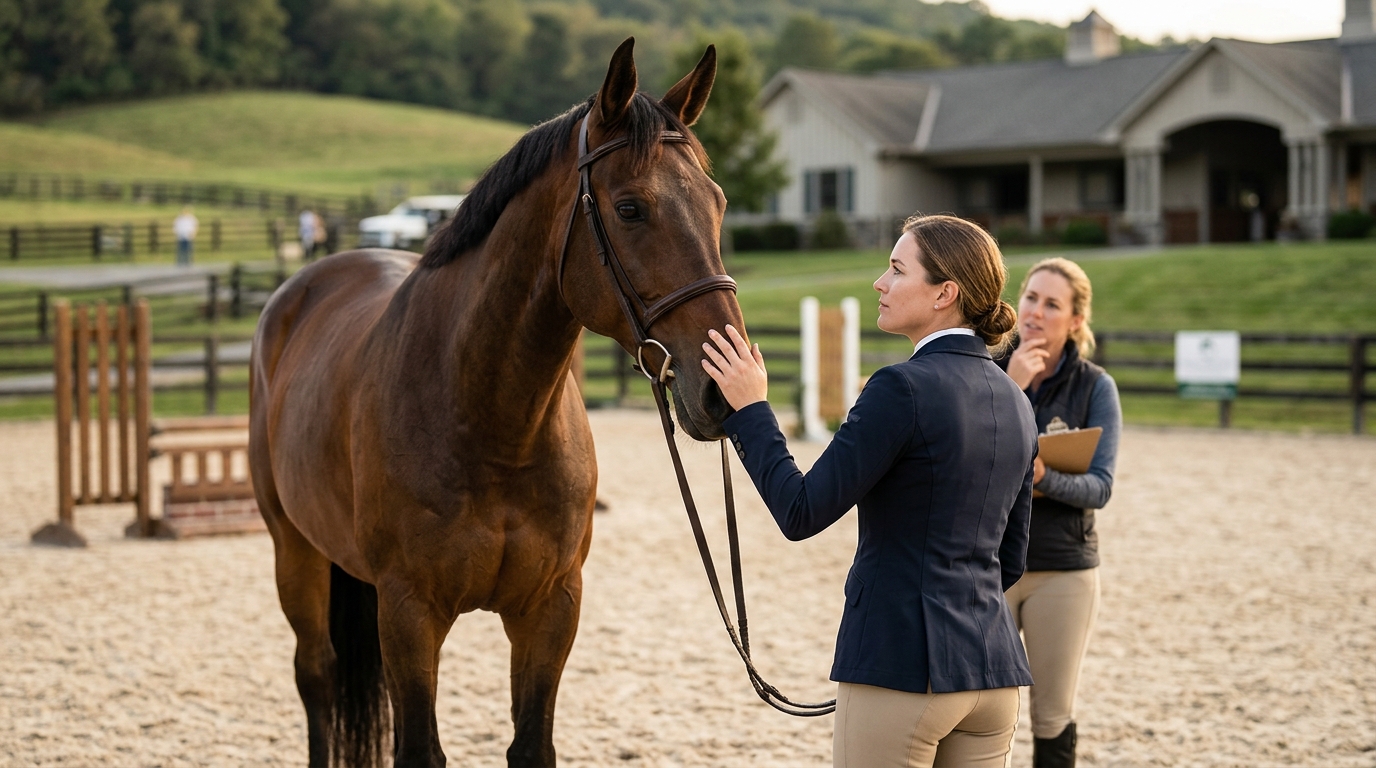
Buying a horse is one of the most exciting decisions an equestrian can make, but it is also one of the most complex. Whether you are a first-time buyer or upgrading to a more competitive mount, the process involves far more than falling in love with a pretty face. From assessing your own riding ability and matching the right breed to budgeting for years of ongoing care, every choice you make today affects the partnership you will have tomorrow. This guide walks you through the essential factors every prospective horse owner should evaluate before signing on the dotted line.
1. Assess Your Riding Goals and Ability
Before you start browsing sale ads, take an honest look at what you want to do with your horse and where your skills truly sit. As multi-discipline coach Lindsay Grice has noted, buying the wrong horse is like trying to fit a square peg into a round hole. A mismatch between rider and horse leads to frustration, or worse, dangerous situations.
Ask yourself whether you plan to compete in dressage, show jumping, or eventing, or whether you simply want a reliable trail partner. Your answer will shape every decision that follows, from breed and build to budget.
2. Choose the Right Breed and Type
A breed is a genetically distinct population of horses selectively bred for specific traits such as speed, endurance, or temperament. Not every breed suits every discipline. For example, a heavy Warmblood may excel in dressage but would be a poor choice for barrel racing, while a Thoroughbred fresh off the track is better suited to eventing than quiet trail rides.
Professionals encourage first-time buyers to keep an open mind. Experienced breeder Kirdie notes that a common mistake is being "color blind and gender-biased," as reported in Horse Sport's top tips for buying your first horse. A great horse is never a bad color.
3. Evaluate Age, Temperament, and Training Level
A green horse is one that is young or largely untrained. Pairing a green horse with a novice rider is a recipe for trouble. If you are a beginner, look for a mature horse with solid training, a kind nature, and smooth gaits. For a first horse, many experts recommend a minimum age of 10 years.
Buying for a Child
If buying for a junior rider, select a horse that is suitable right now rather than one the child will "grow into." A horse that is too big, too strong, or too fast can be frightening or even dangerous for a young rider.
Gender Considerations
Geldings and mares are both suitable for most riders. Unless you plan to breed or compete at the highest levels, avoid stallions, which can be strong-willed and unpredictable.
4. Conformation and Soundness
Conformation is the overall physical structure and proportions of a horse, which directly affect its movement, durability, and suitability for specific disciplines. Judges at conformation classes evaluate stance, balance, and structural correctness for good reason: poor conformation often leads to chronic soundness issues.
When viewing a horse, watch it walk and trot on a hard, flat surface. Look for even stride length, correct limb alignment, and the absence of any head-bobbing that might indicate lameness.
5. The Pre-Purchase Veterinary Exam
A pre-purchase exam (PPE) is a veterinary evaluation designed to detect physical defects and inform the buyer about the horse's current health status. According to equine lawyer Catherine Willson writing for Horse Sport, the purpose of the PPE is to obtain as much information as possible so the purchaser can make an educated decision.
What a Basic PPE Includes
A standard exam covers vital signs at rest and after exercise, respiratory and digestive evaluation, and a thorough inspection of eyes, mouth, legs, joints, and hooves. X-rays and ultrasounds may be added for a competitive show horse purchase. Always use an independent vet rather than the seller's veterinarian to avoid conflicts of interest.
Cost Considerations
A basic PPE at the racetrack may cost around $100 plus diagnostics, while a full sport-horse exam with imaging can run significantly higher. Consider it insurance against a much larger financial mistake.
6. Understanding the True Cost of Ownership
The purchase price is just the beginning. According to Synchrony's Equine Lifetime of Care report, the actual total lifetime cost is three to four times higher than what owners expect, and annual expenses range from roughly $8,600 to $26,000 depending on whether the horse is kept at pasture or competing.
| Expense Category | Low Estimate | High Estimate |
|---|---|---|
| Boarding / Housing | $3,000 | $12,000 |
| Feed and Forage | $1,200 | $2,500 |
| Routine Veterinary Care | $350 | $600 |
| Farrier (every 6-8 weeks) | $400 | $1,800 |
| Insurance | $150 | $500 |
| Tack and Equipment | $300 | $1,500 |
| Training / Lessons | $500 | $6,000+ |
Build an emergency fund of at least $1,000 to $2,000 for unexpected veterinary bills. Colic surgery alone can cost thousands. For tips on buying used saddles and reducing tack expenses, explore our equipment guides.
7. Work with Trusted Professionals
The single most important step you can take is partnering with a knowledgeable professional. Your coach or trainer will know your abilities, have relationships with reputable sellers, and can objectively assess a horse's suitability. As noted in our guide to using an agent when buying or selling a horse, always clarify who the agent is working for, because the person brokering the deal may have the seller's interests at heart, not yours.
If shopping overseas, working with a trusted agent becomes even more critical. Our article on buying horses in Europe outlines how agents track prospects from young-horse classes through the upper levels and can stand behind their recommendations.
Key Takeaways
- Be brutally honest about your riding level and goals before you start shopping.
- Match breed, age, and training level to your intended discipline and experience.
- Never skip the pre-purchase veterinary exam, and always use an independent vet.
- Budget for annual costs of $8,600 to $26,000 on top of the purchase price.
- Work with a trusted trainer or agent who knows your abilities and has your interests in mind.
- Accept that no horse is perfect; weigh minor imperfections against your intended use and budget.
- Plan for the long term: horse ownership is a commitment that can span 25 years or more.
Frequently Asked Questions
What is a pre-purchase exam and why is it important?
A pre-purchase exam is a veterinary evaluation that assesses a horse's current health, soundness, and suitability for its intended use. It helps buyers make an informed decision and can reveal issues that could become costly down the road.
How much does it cost to own a horse per year?
Annual costs typically range from $8,600 for a backyard horse to $26,000 for a competition horse, according to the Synchrony Equine Lifetime of Care study. Emergency veterinary expenses can push totals even higher.
What is the best age for a first horse?
Most experts recommend a minimum age of 10 for a first horse. Older, well-trained horses offer safety and a solid learning platform for novice riders.
Should I use a trainer or agent when buying a horse?
Yes. A trusted professional can match your abilities and goals with the right horse, evaluate rideability, and help negotiate a fair deal. Just make sure you know who is paying the agent's commission.
What breed is best for beginners?
There is no single best breed. Quarter Horses, Appaloosas, and Canadians are popular for their calm temperaments, but the individual horse's training and temperament matter more than breed alone.
Can I buy a horse on a limited budget?
Yes, but be prepared to compromise on age, show record, or minor cosmetic issues. Remember that the purchase price is a small fraction of overall ownership costs, so budget carefully for ongoing care.
What should I look for in a horse's conformation?
Look for balanced proportions, correct limb alignment, strong hooves, and a smooth, even gait. Poor conformation can lead to chronic lameness, especially in demanding disciplines like jumping or eventing.
Is a trial period a good idea before buying?
Trials can be valuable but carry risk for both parties. If you arrange one, draft a detailed contract and take out a full mortality insurance policy to protect everyone involved.
Ready to Find Your Perfect Horse?
Start your search the smart way. Browse expert advice, ownership guides, and the latest equestrian news at HorseSport.com, Canada's equestrian authority for over 50 years. Subscribe to our newsletter for weekly tips delivered straight to your inbox.