
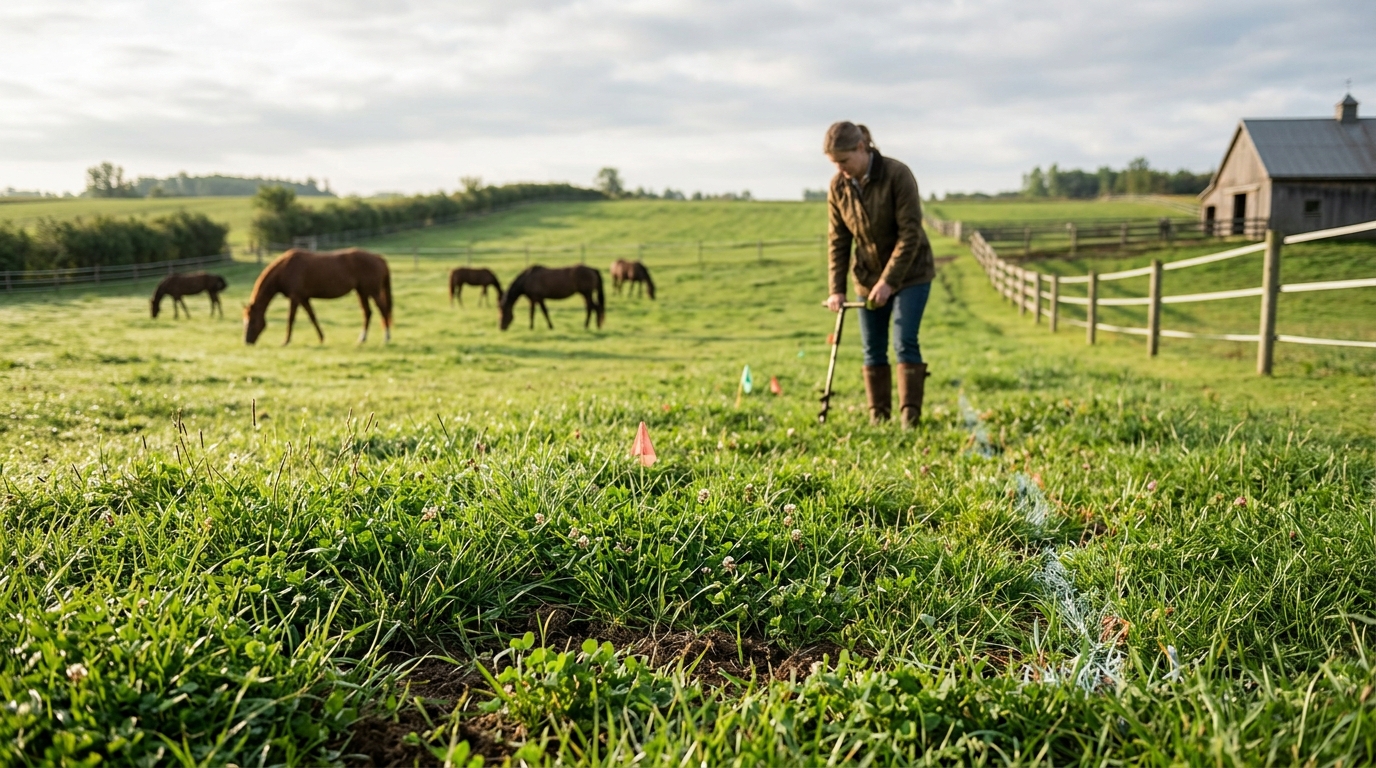
A well-managed pasture is more than just a green field; it is the foundation of your horse's nutrition, health, and overall well-being. Pasture management is the strategic planning and maintenance of grazing areas to ensure they provide optimal nutrition, safety, and sustainability for horses. Whether you own two acres or two hundred, getting the basics right saves money on hay, reduces veterinary bills, and keeps your horses happier. In this guide, we break down the essential practices every horse owner should follow, from soil testing and rotational grazing to weed control and seasonal planning.
Start with Soil Health
Healthy pastures begin underground. According to Dr. Kimberley Schneider, a soil scientist at the University of Guelph, ideal pasture maintenance starts from the ground up. Soil testing is the single most important first step because it reveals nutrient deficiencies that may be silently limiting forage growth.
A soil test measures pH, nitrogen (N), phosphorus (P), and potassium (K) levels. The Rutgers Equine Science Center recommends maintaining a soil pH between 6.0 and 7.0 for maximum nutrient availability. Test every two to three years at minimum, and collect samples when the ground is not frozen for the most accurate results.
Why Soil Structure Matters
Soil compaction from hooves restricts root growth, limits water infiltration, and encourages weed invasion. Aerating compacted zones in early spring and avoiding turnout on saturated ground are simple steps that protect your soil's long-term productivity.
Get Your Stocking Rates Right
Stocking rate is the total number of pasture acres available per horse. Overstocking is one of the fastest routes to degraded pastures. Guidelines vary by region and soil quality, but most extension services converge on similar recommendations.
| Source | Recommended Acres per Horse | Notes |
|---|---|---|
| University of Minnesota Extension | 2 acres per 1,000 lb horse | For pasture as primary nutrition source |
| Equine Guelph (via Horse Sport) | 2-3 acres per horse | Canadian climate considerations |
| Rutgers Cooperative Extension | 1-2 acres per horse | Temperate climates with active management |
| Penn State Extension | 2-4 acres per horse | Low-management situations |
If your acreage falls short, you will need to supplement with hay and limit turnout hours to prevent overgrazing.
Implement Rotational Grazing
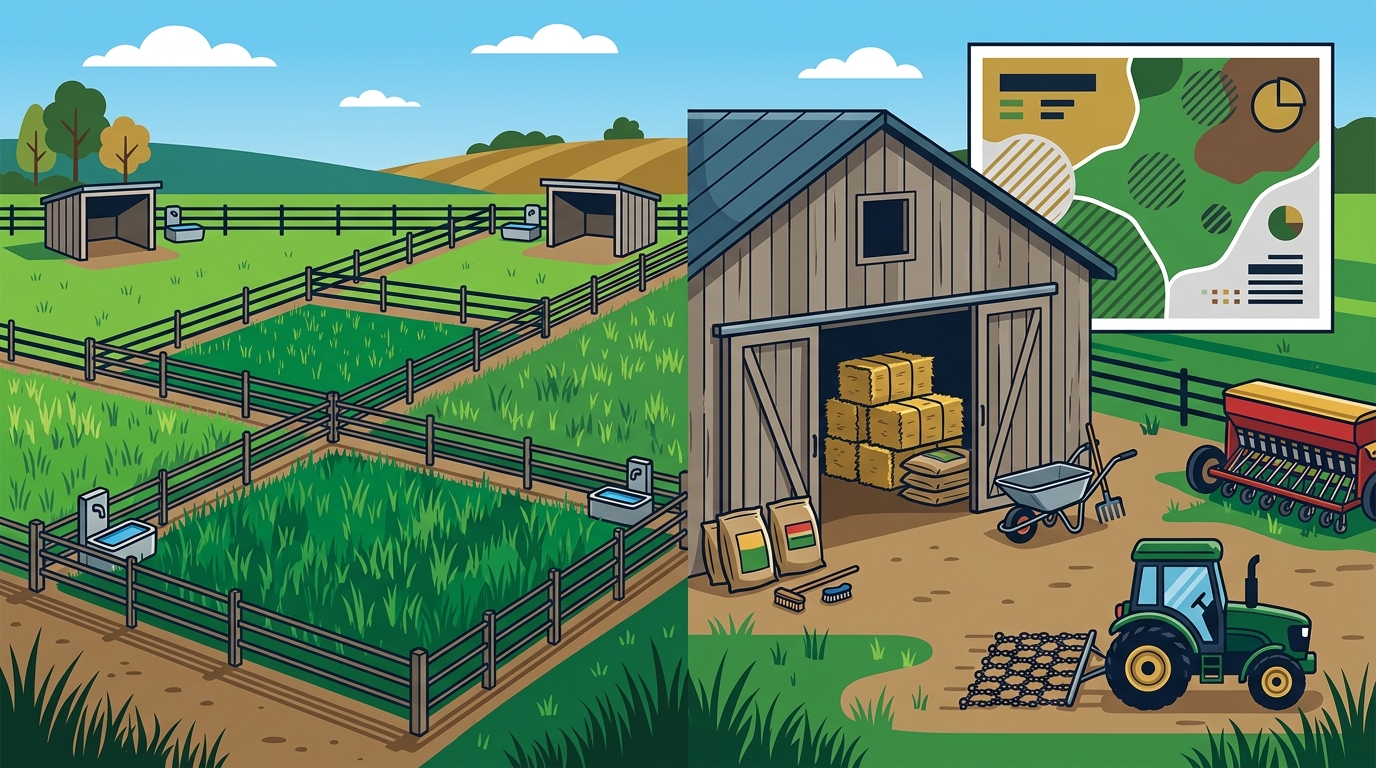
Rotational grazing is the practice of dividing pasture into smaller paddocks and moving horses between them on a scheduled basis. It is the single most effective tool for preventing overgrazing and promoting forage regrowth. As Penn State Extension notes, even a simple two-paddock system will produce measurable results.
How Rotation Works
Horses are selective grazers that eat preferred plants down to the soil while ignoring others. Without rotation, those preferred areas become bare, compacted, and weed-prone. Divide your pasture with safe fencing, graze each paddock until grass height drops to 3 to 4 inches, then move horses to fresh ground. Rest each paddock for three to four weeks, or until grasses recover to 6 to 8 inches.
Cross-Grazing with Other Livestock
Allowing cattle, sheep, or goats to follow horses through a rotation can dramatically improve pasture health. These animals eat the taller plants and weeds horses leave behind, and because most parasites are host-specific, cross-grazing naturally breaks parasite life cycles.
Fertilization and Liming
Fertilization is the application of nutrients to soil to support vigorous plant growth. Your soil test results dictate what to apply and when. Nitrogen is critical for that deep green color and robust growth, but pastures heavy in legumes (more than 30% clover or alfalfa) may not need additional nitrogen at all.
According to Horse Sport's coverage of OMAFA guidelines, grasses may require up to 300 kg of nitrogen per hectare for optimal results, split across early spring, late June, and early September. Always remove horses from pasture after fertilizer application until rain washes nutrients into the soil.
Liming for pH Balance
Lime is a soil amendment that raises pH in acidic soils. As outlined in our spring pasture management checklist, lime takes about six months to react in the soil, so plan applications well ahead of the growing season.
Weed and Toxic Plant Control
Weeds thrive in thin, stressed pastures. The best defense is a thick, healthy stand of desirable forage that outcompetes invaders. Regular mowing before weeds set seed limits their spread, and targeted herbicide application handles persistent species like Canada thistle or curly dock.
Toxic plants pose an even greater threat. Water hemlock, for example, is one of the deadliest plants in North America. Our guide to pasture poisons details the most dangerous species and how to identify them. Walk your fields at least once a month during the growing season to catch problems early.
Manure Management
A 1,000-pound horse produces roughly nine tons of manure per year. Left unmanaged, manure creates parasite hotspots, kills grass underneath, and pollutes waterways. As Horse Canada's manure management guide explains, harrowing breaks up clumps and exposes parasite larvae to sunlight, which eliminates a fair majority of them.
Harrow only when horses are rotated out of a paddock, and allow two to three days of rest afterward. Alternatively, pick paddocks regularly by hand or machine if your acreage is small. Composting manure before spreading it back on pasture further reduces parasite viability and creates a valuable soil amendment.
Seasonal Pasture Tips
Spring
Wait until grass reaches 6 to 8 inches before turning horses out. Introduce spring grazing gradually, starting at 15 minutes per day and increasing by 15-minute increments. Spring pasture is high in non-structural carbohydrates (sugars, starch, fructans) that can trigger laminitis in susceptible horses.
Summer and Fall
Monitor for drought stress and reduce stocking density if growth slows. In fall, be aware that frost-damaged grasses can accumulate higher sugar concentrations. The general recommendation is to keep horses off pasture for seven days after a killing frost.
Winter
If possible, keep horses off pastures entirely during winter. Dormant grasses cannot recover from grazing, and wet conditions amplify hoof damage to root systems. A sacrifice area or dry lot protects your investment in pasture health. Supplement with quality hay and consider forage alternatives when needed.
Key Takeaways
- Test your soil every two to three years to guide fertilization and liming decisions.
- Maintain a stocking rate of at least two acres per horse for pasture-based nutrition.
- Use rotational grazing to prevent overgrazing and allow forage to recover between sessions.
- Apply nitrogen fertilizer in split applications throughout the growing season and keep horses off treated pasture until rain.
- Walk your pastures monthly to identify toxic plants and emerging weed problems.
- Manage manure through harrowing, picking, or composting to control parasites and recycle nutrients.
- Adjust turnout schedules seasonally, especially during spring green-up and after fall frosts.
Frequently Asked Questions
How many acres do I need per horse?
Most extension services recommend two to three acres per horse when pasture is the primary forage source. Well-managed, fertile pastures may support one horse per acre, while less productive land may require up to five acres.
What is rotational grazing?
Rotational grazing is the practice of dividing pasture into paddocks and moving horses between them so that each section gets a rest period to regrow. Even a two-paddock system can improve pasture quality significantly.
How often should I test my soil?
Test every two to three years at minimum. If you are making significant changes to fertilization or noticing persistent forage problems, annual testing provides more actionable data.
When should I reseed my pasture?
If less than 70% of your pasture is edible plant material, it likely needs reseeding. Late spring or early fall offers the best germination conditions. See our reseeding assessment guide for a simple walkthrough method.
How do I prevent laminitis from spring grass?
Introduce horses to spring pasture gradually over two to three weeks. Turn out early in the morning when sugar levels are lowest, and use a dry lot or sacrifice area to limit grazing time for metabolically sensitive horses.
Is dragging manure safe or does it spread parasites?
Dragging (harrowing) exposes parasite larvae to sunlight and air, which kills most of them. Harrow only during warm, dry weather when horses are off the paddock, and allow rest time before reintroducing horses.
What grasses are best for horse pasture?
In cool-season climates, timothy, orchardgrass, Kentucky bluegrass, and perennial ryegrass are popular choices. A mix of grasses and legumes provides nutrition across the full growing season. Consult a local agronomist for region-specific recommendations.
Can other animals graze with my horses?
Yes. Cattle, sheep, and goats make excellent pasture companions. They eat plants horses avoid, reduce weed pressure, and help break parasite cycles because most equine parasites cannot complete their life cycle in other species.
Put These Practices to Work
Great pastures do not happen by accident. Start with a soil test this season, set up even a basic two-paddock rotation, and commit to a monthly pasture walk. For deeper guidance on every aspect of farm and horse care, explore the farm management section on Horse Sport, Canada's equestrian authority for over 50 years.