
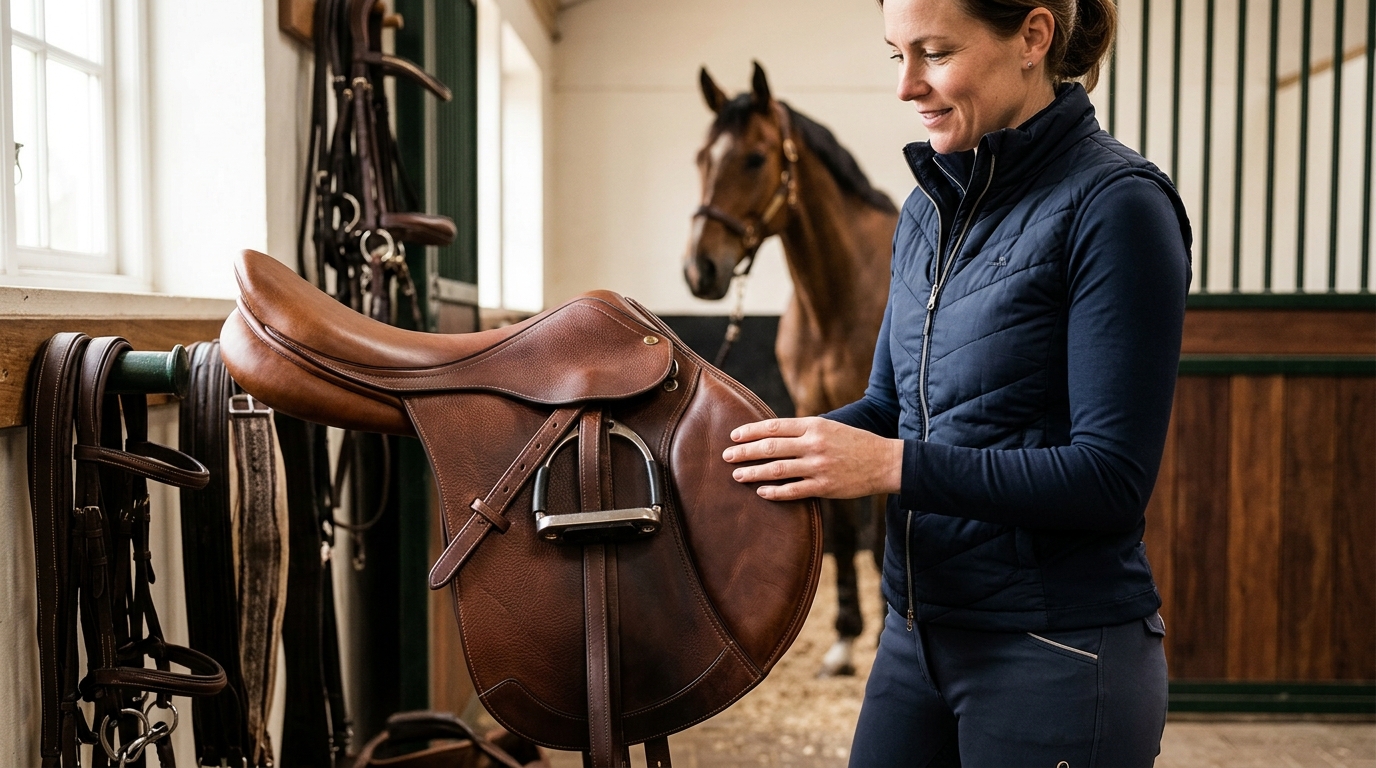
Choosing the right tack is one of the most important decisions any equestrian can make. Poor-quality equipment does not just wear out quickly; it can compromise your safety in the saddle and cause real discomfort or injury to your horse. With dozens of brands at every price point, knowing how to separate well-crafted tack from flashy imitations is an essential skill. This guide walks you through the key quality indicators, from leather grade and stitching to hardware and fit, so you can shop with confidence and invest in gear that lasts.
Assessing Leather Quality
Leather is the foundation of most tack, and its grade determines how long your equipment will last. Full-grain leather is the highest quality option because it retains the natural grain and strength of the hide. It molds to the horse's body over time, providing a superior fit that synthetic alternatives cannot replicate.
The Touch Test
Start by feeling the leather. Quality leather should be soft and supple without feeling overly oily. According to leather tack experts at Buckaroo Leather, if new tack feels excessively soft, too much oil may have been applied to disguise inferior hide quality. Conversely, if you bend the leather and see cracks forming, the piece is dry and potentially dangerous under stress.
The Smell Test
Quality leather has a warm, natural scent. An ammonia or chemical odor indicates the hide was tanned too quickly and inexpensively, which compromises long-term durability. Dark dyes and surface glazes can also mask lower-quality hides, so look beneath the surface finish whenever possible.
Stitching and Construction Details
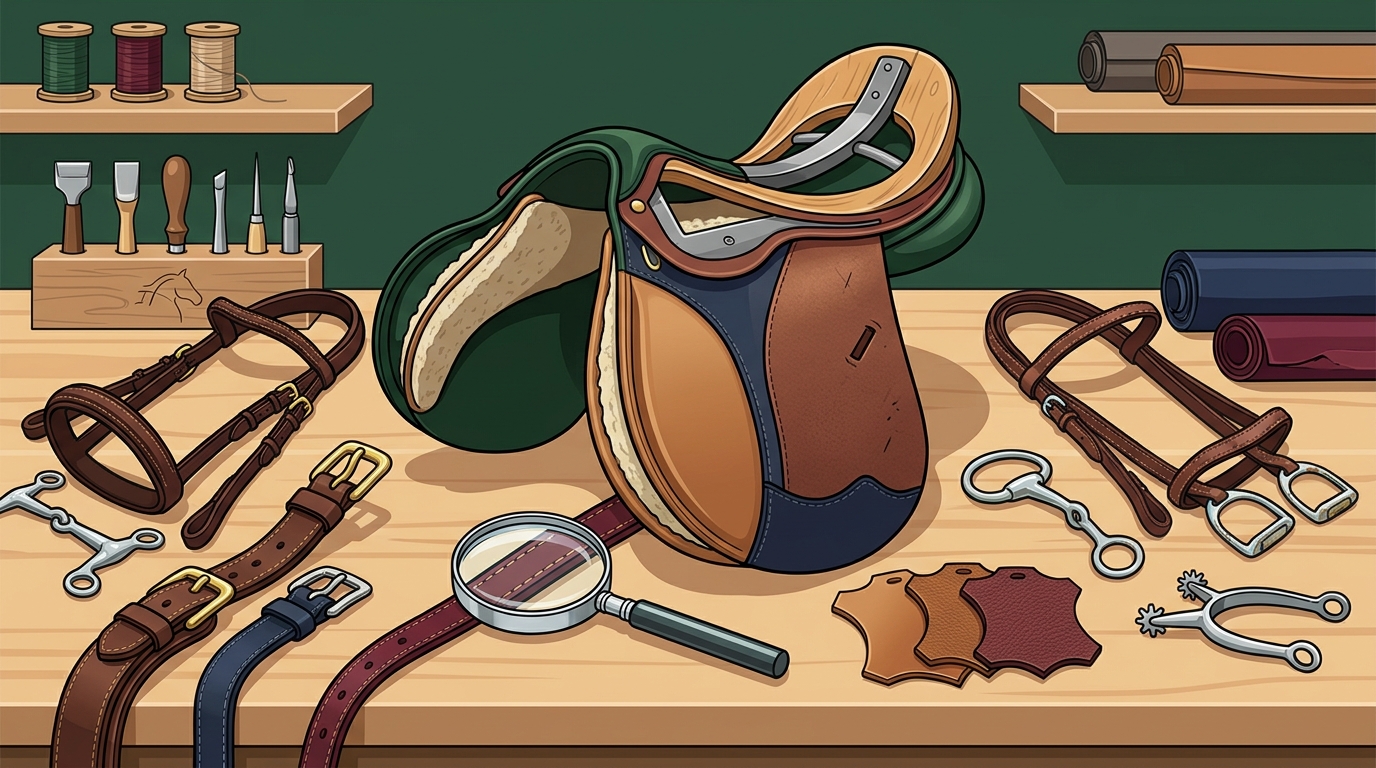
Stitching quality is a reliable indicator of overall craftsmanship. Fine, even stitching with fewer than 12 stitches per inch, with all ends neatly finished and tucked in, is a hallmark of quality tack. Loose threads, uneven spacing, or missing stitches at stress points are red flags.
Symmetry and Edge Work
Examine the piece for symmetry. Are the edges straight and evenly cut? Uneven edges or asymmetrical construction suggest rushed manufacturing. Quality brands invest labor in finishing details because it makes no economic sense to apply careful workmanship to poor-quality hides.
When shopping for saddles specifically, understanding how construction affects performance is critical. Horse Sport's in-depth guide on saddle fitting and performance explains how even billet stitching and panel construction directly impact your horse's movement and comfort.
Hardware and Fittings
Hardware is the structural backbone of any piece of tack. Quality hardware is a term that refers to buckles, rings, snaps, and D-rings made from stainless steel, solid brass, or other corrosion-resistant metals. Cheap hardware often uses plated steel that chips, rusts, or warps over time.
What to Inspect
Check that buckle tongues seat firmly and that all hinges move smoothly. Look for rounded edges on buckles and rings; sharp edges cut into leather and can injure your horse. On bridles specifically, smaller buckles can wear or warp with repeated use, so inspect them regularly as part of your bridle fitting and maintenance routine.
Fit, Comfort, and Safety
Even the most beautifully crafted tack is worthless if it does not fit your horse properly. Saddle fit is the single most important factor in preventing long-term back damage, behavioral issues, and performance decline. A well-balanced saddle distributes the rider's weight over a large area, creating a secure seat.
Certified saddle fitters like Jochen Schleese, who became the youngest Certified Master Saddler in Europe in 1984, have demonstrated that poorly fitted saddles can chip cartilage, pinch nerves, and cause chronic behavioral problems. Explore the top 9 saddle fitting problems to learn what warning signs to watch for.
Bridle and Bit Fit
Bit fitting is the process of matching a bit's size, shape, and type to a horse's unique oral anatomy. A certified bit fitter evaluates palate height, tongue thickness, and mouth width before recommending equipment. Horse Sport's guide on how to correctly fit a bit covers the fundamentals every rider should know.
Comparing Brand Tiers
Not all brands occupy the same market position. Understanding the general tiers helps set expectations for quality, durability, and price.
| Quality Indicator | Budget Tier | Mid-Range Tier | Premium Tier |
|---|---|---|---|
| Leather Grade | Bonded or corrected grain | Top grain, sometimes blended | Full-grain, vegetable-tanned |
| Stitching | Machine-only, sometimes uneven | Machine with hand-finished ends | Hand-stitched or precision machine |
| Hardware | Plated steel, lightweight | Nickel or chrome alloy | Stainless steel or solid brass |
| Fit Customization | Fixed sizing only | Multiple width/length options | Custom or adjustable fitting systems |
| Expected Lifespan | 1 to 3 years | 5 to 10 years | 10 years or more with care |
| Typical Price (Bridle) | $40 to $120 | $150 to $400 | $400+ |
Premium brands such as those featured by retailers like Weaver Equine combine traditional craftsmanship with modern materials, and their products are often inspected and shipped by hand from dedicated workshops.
Care, Maintenance, and Longevity
The lifespan of quality tack depends heavily on how you maintain it. Proper leather care is the routine practice of cleaning, conditioning, and storing tack to preserve its structural integrity. Use pH-neutral cleaners rather than traditional saddle soaps, which can weaken leather's internal bonds over time.
Conditioning with products that penetrate deeply, rather than sitting on the surface, keeps leather supple and extends the intervals between treatments. For a deeper dive into equipment maintenance and seasonal inspection, see Horse Sport's feature on knowing when it is time for a tack change.
Key Takeaways
- Always check leather for suppleness, smell, and grain quality before purchasing.
- Inspect stitching at stress points: look for even spacing, tucked ends, and reinforced areas near buckles.
- Choose stainless steel or solid brass hardware over plated alternatives to prevent corrosion.
- Proper saddle and bridle fit is as important as material quality for horse comfort and safety.
- Premium tack costs more upfront but typically lasts 10 years or longer with proper care.
- Dark dyes and glazes can hide inferior leather; always examine bare or lightly finished areas.
- Invest in professional fitting services for saddles and bits to avoid costly mistakes.
Frequently Asked Questions
What is the best type of leather for horse tack?
Full-grain leather is widely considered the best option for horse tack because it retains the natural strength and durability of the hide. It develops a beautiful patina over time and molds to your horse's body for a custom fit.
How can I tell if tack stitching is high quality?
Look for even, tight stitching with fewer than 12 stitches per inch. All thread ends should be neatly finished and tucked in. Reinforced stitching at stress points near buckles and rings indicates superior craftsmanship.
Does expensive tack always mean better quality?
Not necessarily. While price often correlates with quality, some mid-range brands offer excellent construction. Focus on inspecting the leather, stitching, and hardware yourself rather than relying on price alone as an indicator.
How often should I have my saddle professionally fitted?
Most saddle fitters recommend at least an annual checkup. Your horse's body changes with age, fitness, and season, which can alter how the saddle sits on the back.
What hardware material is most durable for tack?
Stainless steel is the gold standard for tack hardware because it resists rust and corrosion. Solid brass is another excellent option that offers both durability and a classic appearance.
Can I evaluate tack quality when buying online?
You can assess many indicators by reading detailed product descriptions, checking customer reviews, and examining close-up photos of stitching and hardware. However, the leather feel and smell tests require an in-person evaluation, so buy from retailers with good return policies.
Why does my new leather tack smell like chemicals?
A chemical or ammonia-like odor typically indicates that the leather was tanned quickly using inexpensive methods. This often correlates with lower-quality hides that will not hold up well over time.
How do I maintain tack to make it last longer?
Clean leather after every ride with a damp cloth and mild cleaner. Condition regularly with a penetrating leather conditioner and store tack in a cool, dry place away from direct sunlight. Check our guide on the importance of a bit that fits for additional equipment maintenance insights.
Start Shopping Smarter
Now that you know what separates quality tack from the rest, put your knowledge into practice. Browse Horse Sport's Tack and Equipment section for expert reviews, brand spotlights, and fitting guides that will help you make confident buying decisions for you and your horse.