
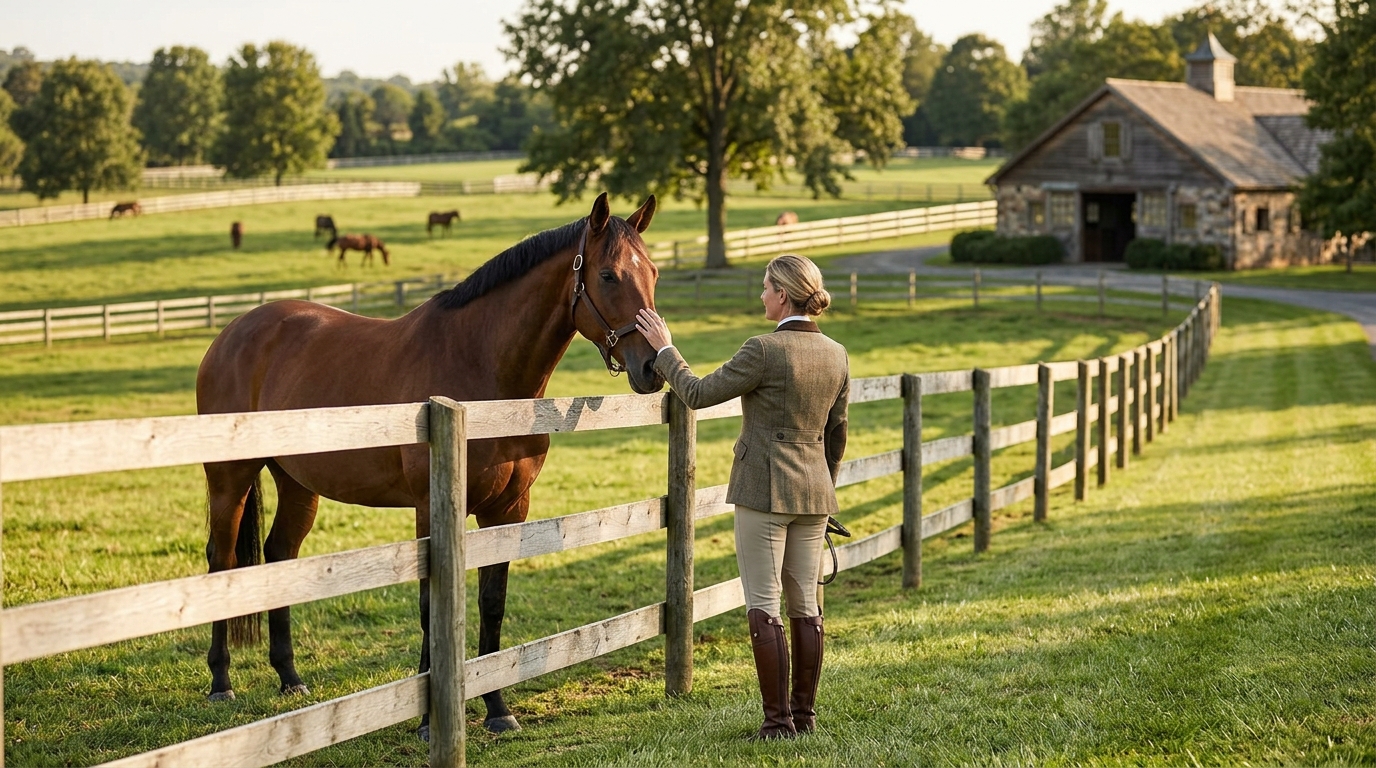
Buying a horse is one of the most exciting decisions an equestrian can make, but it is also one of the most consequential. From matching the right breed and temperament to your riding goals, to understanding the true cost of ownership and arranging a thorough pre-purchase veterinary exam, every step matters. Whether you are a first-time buyer or an experienced rider upgrading to a competitive prospect, this guide breaks down the essential factors so you can make an informed, confident purchase. Read on for expert-backed advice drawn from decades of equestrian authority.
1. Define Your Riding Goals and Experience Level
Before you start browsing listings, take an honest look at what you want from horse ownership. Are you a casual trail rider, a budding competitor, or somewhere in between? As the experts at Horse Sport explain, you should consider what kind of equestrian activity you enjoy and what you will be asking the horse to do on a regular basis.
A rider's skill level is the single most important filter. If you are a novice, your best bet is a mature horse with solid training, a kind nature, and good brakes. The old adage holds true: a green horse and a green rider make a poor combination. Be honest about your abilities and seek guidance from your coach or a knowledgeable friend.
2. Choose the Right Breed and Temperament
A breed is a population of horses that share distinct physical and behavioral characteristics passed through generations. Not every breed is suitable for every activity. For instance, a heavy Warmblood may excel in dressage but would be a poor barrel-racing candidate, while a Thoroughbred fresh off the track might suit an aspiring eventer but overwhelm a weekend trail rider.
Matching Breed to Discipline
According to Rutgers University's Equine Science Center, buyers interested in jumping, eventing, or dressage should consider Thoroughbreds, Warmbloods, or crossbreds, while western riders often gravitate toward Quarter Horses, Paints, or Appaloosas. If pleasure riding is your priority, temperament matters more than pedigree.
Assessing Temperament
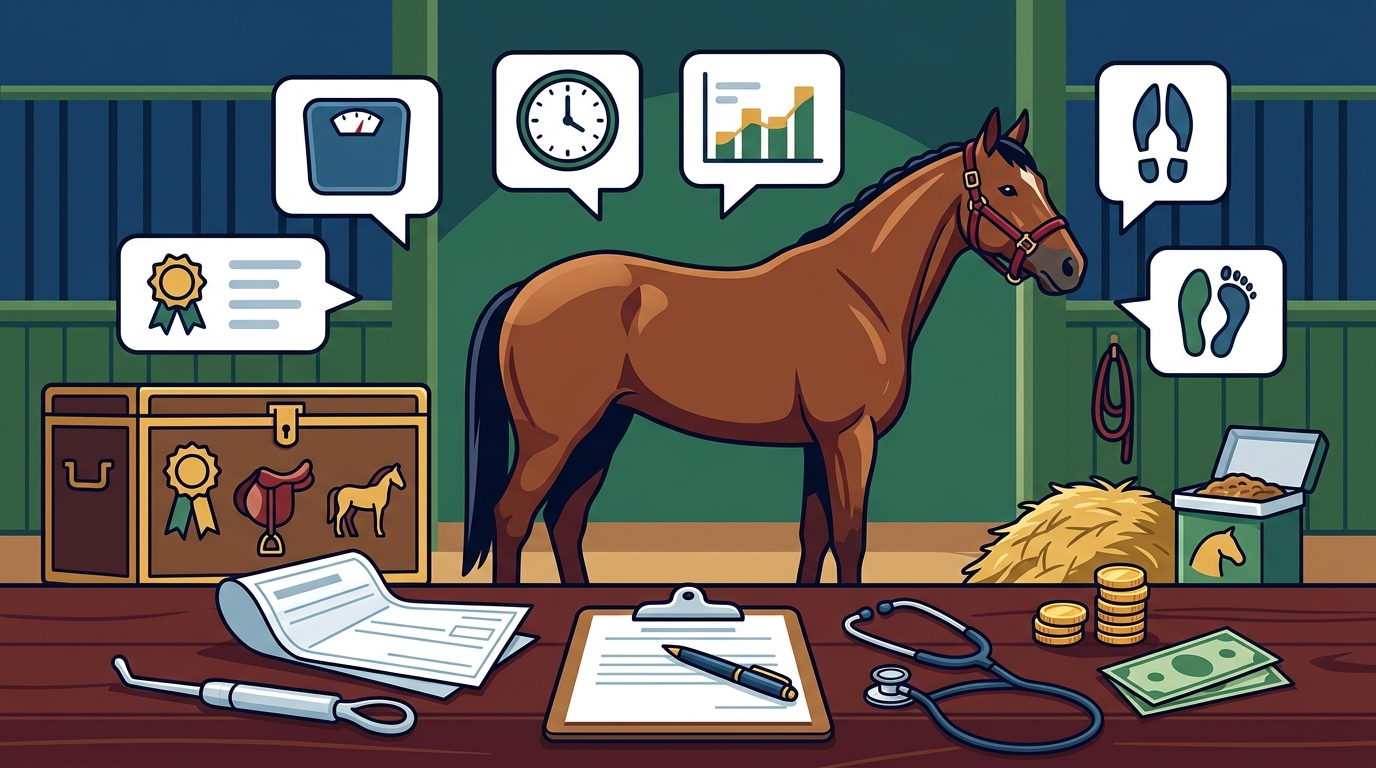
Temperament is the horse's natural disposition toward people, other horses, and new situations. Spend time observing the horse on the ground and under saddle. A horse with consistent, calm behavior is more predictable and easier to build a trusting partnership with.
3. Evaluate Conformation, Age, and Gender
Conformation is the physical structure and proportional correctness of a horse's body. Good conformation reduces injury risk and supports long-term soundness. As Horse Sport's analysis of dressage conformation illustrates, even subtle structural differences in the hip and stifle can influence a horse's ability to collect or extend at higher levels.
Age Considerations
Younger horses may be less expensive upfront but typically need more training and carry more risk for novice owners. Older horses often provide a wealth of experience, and many remain active well into their twenties. The trade-off is potential wear and tear on joints and tendons.
Gender
Geldings are generally more consistent in day-to-day performance. Some mares can have personality quirks tied to their estrous cycle. Unless you plan to breed or compete at an elite level, stallions are best avoided due to their strength and unpredictability.
4. Schedule a Pre-Purchase Veterinary Exam
A pre-purchase exam (PPE) is a veterinary evaluation designed to detect current or potential health issues before you commit to a purchase. According to the American Association of Equine Practitioners (AAEP), a successful PPE should be tailored to your goals and the horse's intended use.
A basic PPE typically includes a review of medical history, vital signs before and after exercise, and evaluation of the respiratory and digestive systems, eyes, mouth, legs, back, joints, and hooves. For competitive sport horses, your vet may also recommend radiographs and ultrasounds of high-stress areas.
Critically, use an independent veterinarian rather than the seller's vet to avoid conflicts of interest. Make it clear to the vet what purpose you are buying the horse for, as this dictates the types of tests and the depth of exploration required.
5. Understand the True Cost of Ownership
The purchase price is often the least expensive part of owning a horse. According to a Synchrony Equine Lifetime of Care study, lifetime ownership costs range from approximately $300,000 to $924,000 over an average 25-year lifespan, depending on the horse's role.
| Expense Category | Estimated Annual Cost (USD) |
|---|---|
| Full-care boarding | $7,200 – $30,000 |
| Feed and supplements | $1,200 – $4,800 |
| Routine veterinary care | $300 – $700 |
| Farrier (trimming/shoeing) | $480 – $3,000 |
| Training and lessons | $2,880 – $6,000 |
| Insurance (mortality + medical) | $150 – $1,000 |
| Tack and equipment | $100 – $500 |
Always budget an emergency fund of at least $2,000 to $5,000 for unexpected veterinary bills, as colic surgery alone can cost several thousand dollars.
6. Work with Trusted Professionals
Many buyers rely on a trainer, coach, or agent to help locate and evaluate horses. An agent is someone employed by a buyer or seller to negotiate a deal with a third party. As equine lawyer Catherine Willson explains in her Horse Sport article on using an agent when buying or selling a horse, it is essential to understand whose interests the agent represents. If you have not hired the agent, they are working for the other side.
When buying horses internationally, having an agent you trust becomes even more important. European agents track horses from young-horse classes through to the upper levels and can vouch for a horse's true character and soundness history.
Trial Rides and Second Visits
If you like a horse on the first visit, schedule a return ride. Some experts recommend trying the horse at a secondary location or even at a competition to see how it performs under different conditions.
7. Plan for Boarding and Nutrition
Before you sign a bill of sale, know where your horse will live. Horse Sport's ultimate guide to choosing a boarding stable recommends assessing pasture quality, barn safety, staff expertise, and the facility's general philosophy toward horse health.
Nutrition is equally vital. As equine nutritionist Shannon Pratt-Phillips, Ph.D., writes in her Horse Sport feature on feeding for a long career, nutrition affects every aspect of equine health, from sound bone development during growth to hoof and joint maintenance throughout a competitive career. The feeding program should match the horse's life stage, body condition, and energy demands.
Key Takeaways
- Honestly assess your riding ability and goals before shopping; they should drive every subsequent decision.
- Match breed and temperament to your intended discipline; not every horse suits every activity.
- Evaluate conformation for long-term soundness, especially if you plan to compete.
- Always commission an independent pre-purchase veterinary exam tailored to the horse's intended use.
- Budget for ongoing costs, not just the purchase price; annual expenses typically range from $3,000 to over $26,000.
- Work with a trusted agent or trainer, and understand whom they represent in the transaction.
- Secure appropriate boarding and a sound nutrition plan before bringing a horse home.
Frequently Asked Questions
What is the most important factor when buying a horse?
The most important factor is matching the horse's temperament and training level to your current riding ability and goals. A mismatch leads to frustration, safety issues, and often the need to resell.
How much does a pre-purchase exam cost?
A basic PPE typically costs $250 to $500. More extensive exams that include radiographs, ultrasounds, and blood work can run $1,000 to $2,500 or more depending on the veterinarian and the number of images taken.
Should a beginner buy a young horse?
Generally, no. Novice riders benefit most from a mature, well-trained horse that can teach them the fundamentals. Young horses require experienced handling and consistent training.
How much does it cost to own a horse per year?
Annual costs vary widely. Backyard or pasture-kept horses may cost around $8,600 per year for basics, while competition horses can exceed $26,000 annually before event and travel expenses are factored in.
Do I need a horse agent to buy a horse?
An agent is not required, but working with a reputable professional can help you locate suitable horses, negotiate fairly, and avoid costly mistakes, especially if you are buying from another region or country.
What should I look for in a boarding facility?
Prioritize quality pastures, safe stalls and fencing, a reliable water system, knowledgeable staff, and a feeding program aligned with your horse's needs. Visit multiple facilities and ask detailed questions before committing.
Is horse insurance worth it?
Mortality and major medical insurance provide financial protection against catastrophic loss or large veterinary bills. For horses with significant purchase value or competitive careers, insurance is generally a wise investment.
Can I negotiate the price of a horse?
Yes. It is common to negotiate within 5 to 15 percent of the asking price. Factors such as PPE findings, market conditions, and how long the horse has been listed can all influence the final sale price.
Ready to Find Your Next Partner?
Start your search with confidence. Explore more expert buying, ownership, and training advice at HorseSport.com and take the guesswork out of your next horse purchase.