
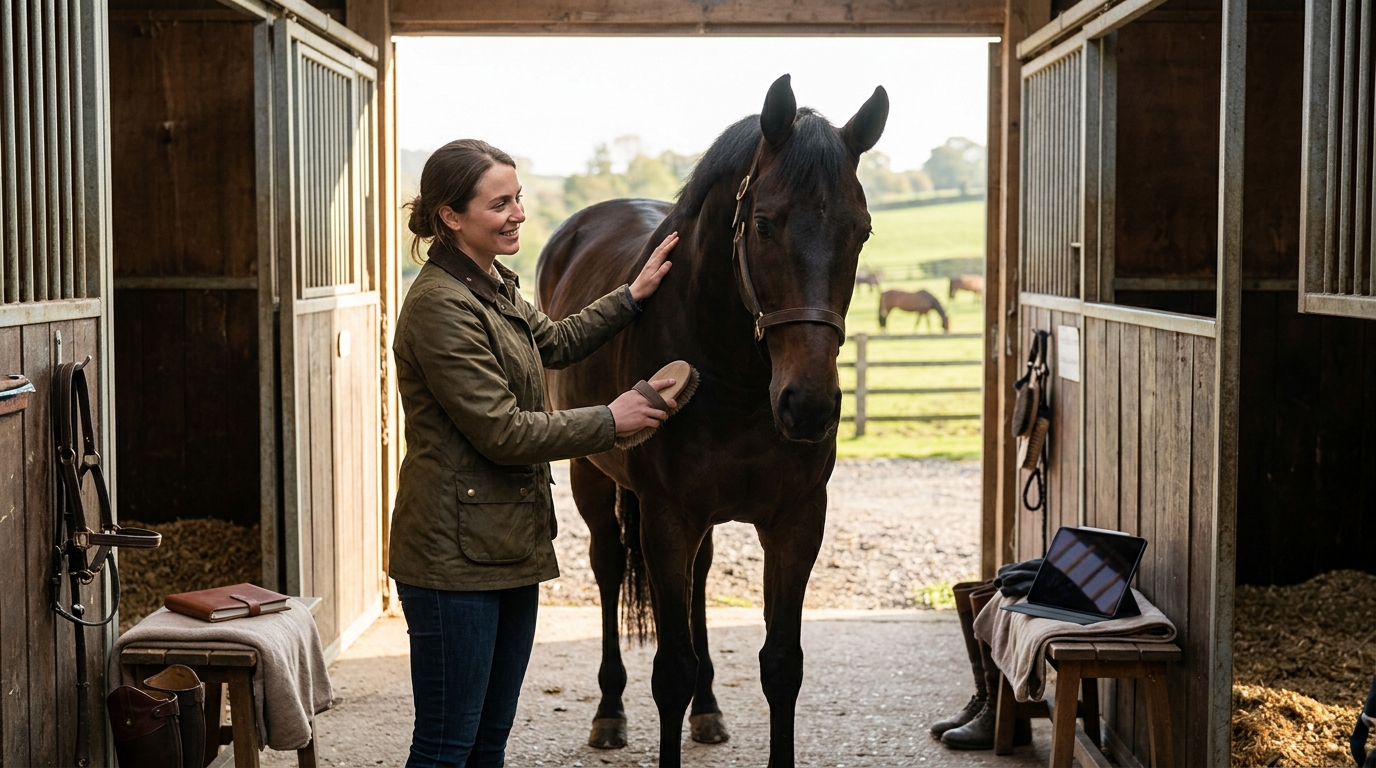
Whether you are a first-time horse owner or a seasoned equestrian looking to sharpen your skills, the sheer volume of available learning resources can feel overwhelming. This ultimate guide organizes the most valuable educational pathways—from free online courses and university certificate programs to professional organizations and hands-on mentorship—so you can choose the route that fits your schedule, budget, and goals.
Why Continuous Equine Education Matters
Horses are complex animals whose welfare depends on informed daily decisions about nutrition, hoof care, shelter, parasite management, and more. Research suggests that many equestrians overestimate their horse care knowledge, which can lead to costly health issues down the road. Investing time in structured learning protects your horse and your wallet.
1. Free Online Courses From Extension Services
University-affiliated cooperative extension programs remain one of the most trusted—and free—starting points for equine education.
eXtension HorseQuest (horses.extension.org)
The eXtension platform, supported by the USDA, hosts a library of self-paced modules covering everything from manure management to disaster preparedness. eXtension's team of horse experts have developed specialized lessons to provide the most complete information about horse care and management. Courses are delivered through Moodle, and completers earn digital badges and certificates at no cost.
University of Minnesota Extension
UMN Extension runs semi-self-paced certificate courses on focused topics such as equine nutrition, biosecurity, and pasture management. The courses start in January of each year and run for six weeks, with registration opening in the fall. Topics rotate annually, so check back for new offerings.
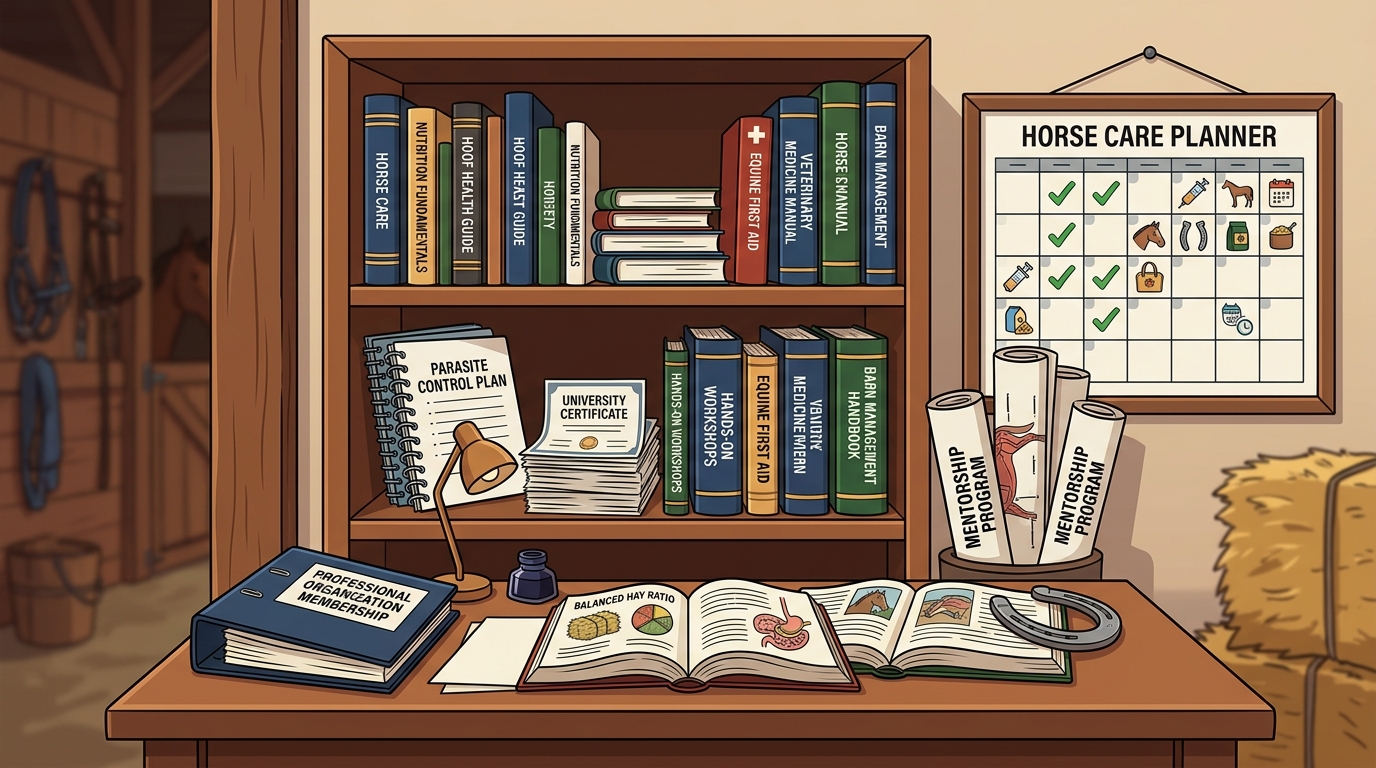
University of Nebraska – Animal Science
Nebraska's Department of Animal Science offers the HALTER (Horse Adult Leader Training and Educational Resource) program, which combines equine science material with youth-development techniques—ideal for 4-H leaders and parents teaching children about horses.
2. University Certificate and Diploma Programs
If you want more academic rigor and a credential to show for it, several universities offer structured online programs.
University of Florida – The Horse Course (Coursera)
Offered through Coursera, this highly rated course from the University of Florida covers breed identification, basic physiology, hoof anatomy, equine behavior, breeding, and foal management across multiple weeks. The Horse Course will cover many unique aspects of equine ownership and touch upon the science behind many of today's management practices. Auditing is free; a paid certificate is available.
University of Guelph – Equine Studies Online
The University of Guelph offers certificate and diploma tracks through its OpenEd division. These continuing education programs are based on research and evidence-based knowledge providing you with practical information to improve the health and welfare of the horses in your care. With roughly 20 asynchronous courses, topics range from equine nutrition to welfare science.
My Horse University (Michigan State University)
Developed by MSU, My Horse University provides science-based online courses aimed at practical horse management. Online horse management courses and resources—based on science, focused on you is the program's guiding philosophy. Their free introductory course, Purchasing and Owning a Horse 101, is a great entry point.
3. Specialized Online Learning Platforms
Beyond universities, several dedicated equine-education platforms deliver expert-led content tailored to horse people.
The Equine Institute
This platform features courses developed by practicing equine veterinarians and physiotherapists. Our courses are approved for continuing education credit by RACE, PATH International, NBCAAM, and ETAA, making them suitable for both hobbyists and working professionals. Subjects span first aid, nutrition, hoof care, and lameness case studies.
Equitopia Center
Equitopia focuses on evidence-based education with a whole-horse philosophy. Their library includes courses on bodywork, hoof care, behavior, and training methods that emphasize trust and the emotional well-being of the horse. Webinars and a curated video gallery supplement the coursework.
Equine Distance Learning (UK)
Based in the UK and founded by BHS Stage 4 Senior Coach Sarah Tame, Equine Distance Learning offers courses ranging from introductory horse knowledge to equine massage. Your can study for BHS accredited qualifications with us too—we offer the Challenge Awards in Horse Knowledge and Horse Health. Each student is assigned a personal tutor for support.
Alison – Horse Care and Stable Management
Alison provides a completely free, self-paced course covering diet, grooming, tethering, plant safety, emergency preparedness, and manure management. You need to score 80 percent or higher on assessments to earn a certificate of completion.
Horse Education Online
This platform partners with Pacific Coast Horseshoeing School to offer certification programs in equine management, behavior, conformation, and hoof care. Certificates are issued upon the completion of an exam (100 questions) based on our study guides, and the programs are fully self-paced.
4. Professional Organizations and Veterinary Resources
Trusted industry bodies publish guidelines, scientific papers, and owner-education content that should be in every horse person's bookmarks.
American Association of Equine Practitioners (AAEP)
As the world's largest professional organization dedicated to equine veterinary medicine, the AAEP connects over 9,000 veterinarians and publishes owner-facing resources on topics from vaccination schedules to colic prevention. Grow your horse care knowledge with advice from veterinary experts is their promise to horse owners. Their annual convention proceedings—searchable online from 2013 onward—are a goldmine for evidence-based care information.
Your Local Equine Healthcare Team
No digital course replaces the value of building relationships with your veterinarian, farrier, equine nutritionist, and trainer. Trusted practitioners such as your veterinarian, farrier, nutritionist, and trainer are your best resource for learning more about horse care and management. Schedule regular wellness checks and ask questions; most professionals are happy to educate engaged owners.
5. Hands-On Learning Pathways
Theory is essential, but nothing accelerates equine knowledge like time spent around horses under experienced supervision.
- Volunteer at a rescue or therapy center: Organizations like PATH International-accredited centers always need volunteers, and you will learn horse handling, grooming, and behavior in a structured environment.
- Working student programs: Many training barns offer work-for-lessons arrangements where you trade barn chores for riding instruction and management education.
- 4-H and Pony Club: Youth programs provide a progressive curriculum from basic care through advanced horsemanship, and many accept adult volunteers who learn alongside participants.
- Clinics and expos: Regional horse expos and clinician tours offer weekend-intensive learning on topics from dressage to natural horsemanship.
6. Books, Podcasts, and Digital Communities
Supplementary media can reinforce and broaden your education.
- Books: Classic titles like The Horse Owner's Veterinary Handbook and Cherry Hill's Horsekeeping on a Small Acreage belong on every horse owner's shelf.
- Podcasts: Shows such as Horses in the Morning and The Horse Podcast deliver weekly interviews with trainers, vets, and researchers.
- Online forums and social media: Groups on Facebook, Reddit (r/Equestrian), and the Chronicle of the Horse forums let you crowdsource advice—but always verify information with qualified professionals.
Key Takeaways
- Start with free resources from cooperative extension programs and Coursera to build foundational knowledge at zero cost.
- For recognized credentials, explore university certificate programs from Guelph, UMN, or MSU.
- Specialized platforms like The Equine Institute and Equitopia deliver expert-led, CE-approved courses for deeper learning.
- The AAEP website and your local veterinary team remain the gold standard for evidence-based health guidance.
- Complement online study with hands-on experience through volunteer work, working-student arrangements, or youth organizations.
Frequently Asked Questions
What is the best free online course for beginner horse owners?
The University of Florida's The Horse Course on Coursera is widely recommended. It covers equine species, physiology, behavior, breeding, and foal management, and you can audit the entire course for free.
Are online horse care certificates recognized by employers?
It depends on the issuing body. Certificates from programs approved by organizations like RACE, PATH International, or the British Horse Society carry more weight in professional settings than generic completion badges.
How do I choose between so many online equine courses?
Identify your specific learning goal first—nutrition, hoof care, first aid, or general ownership. Then prioritize courses developed by credentialed professionals (veterinarians, university faculty, or certified coaches) and check whether the platform offers tutor support and assessments rather than passive video-only content.
Can online learning replace hands-on horse experience?
No. Online courses build theoretical knowledge and decision-making frameworks, but practical skills like safe handling, tacking up, and recognizing subtle signs of lameness require time spent with real horses under qualified supervision.
What professional organization should every horse owner know about?
The American Association of Equine Practitioners (AAEP) is the foremost resource. Their website offers owner-education articles, veterinary guidelines, and a searchable database of equine practitioners in your area.